The best color contact lenses for 2026 are not simply the ones with the boldest shade. They should suit your eyes, feel comfortable, and come from a reliable source. A soft hazel tint may look natural beside a window, while a vivid blue can appear quite different under warm indoor lights. Small details matter.
This guide explores what to compare, from color patterns and opacity to lens materials and replacement schedules. It also considers how a lens looks on different natural eye colors, since product photos cannot promise the same result for everyone. Comfort is harder to judge online. A qualified eye-care professional can assess whether a lens fits your eyes and is suitable for you, even when you want lenses for appearance rather than vision correction. Follow professional guidance and the product’s care instructions; never share lenses or sleep in them unless specifically advised.
Looks matter. Fit matters more. The most useful choice balances the effect you want with clear, practical information about wear and care. We’ll look at popular styles, shopping questions, and signs that a product deserves closer scrutiny. There is no universal winner, and even a carefully chosen shade may feel different after a full day of wear. That uncertainty is worth admitting. Comparing options thoughtfully can help you find color contact lenses that feel like a good match, not just a striking picture.
What Are Color Contact Lenses and How Do They Change Eye Appearance?
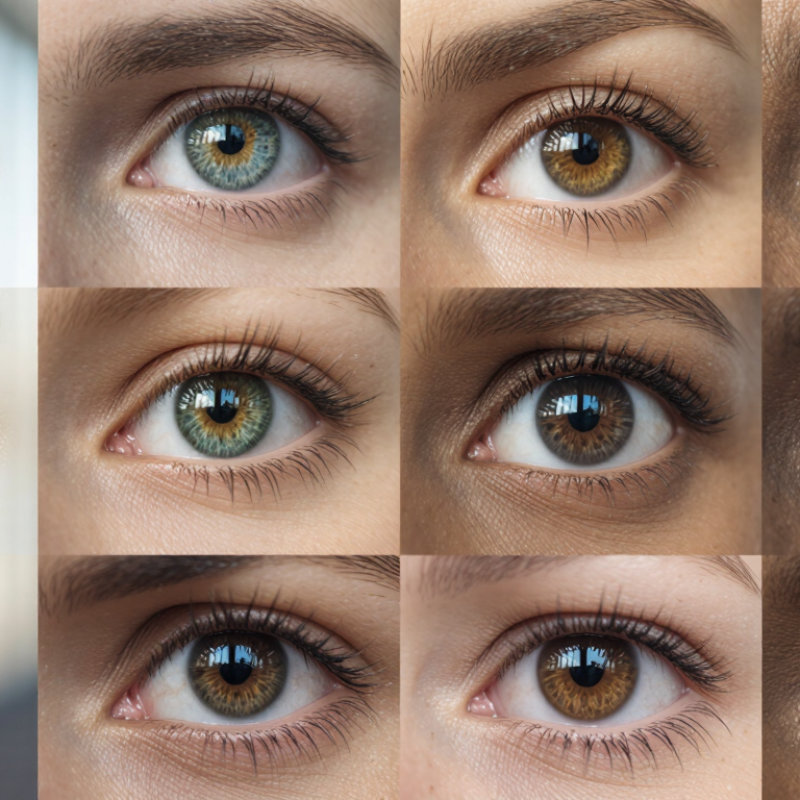
Color contact lenses change eye appearance through tinted areas layered over the iris. Some lenses add a translucent tint that deepens a person’s natural color. Others use an opaque pattern to make darker eyes appear lighter. The center is usually clear for the pupil, while fine printed lines imitate the iris. The effect can be subtle. In close light, you may still see the pattern.
Results depend on your natural eye color, the lens design, and lighting. A light enhancement tint may barely show on dark brown eyes, while an opaque shade can look more dramatic. Even then, the final color may differ from a product photo. That variability is easy to underestimate. A lens also needs to fit correctly; poor fit or movement can cause discomfort and blur vision.
Color is only part of the decision. The CDC’s 2015 MMWR report estimated that 41 million U.S. adults wore contact lenses, and nearly all surveyed wearers reported at least one risky hygiene habit. Clean hands, proper lens care, and professional fitting matter for colored lenses too. Not just appearance. Have an eye-care professional check the fit and explain safe wear before choosing a pair, especially if you have dry or sensitive eyes.
FAQS
Tinted areas cover the iris, while the center usually stays clear for the pupil. Fine printed lines imitate natural iris detail. The pattern may show in close light.
No. Your natural eye color, lens design, and lighting all affect the result. Dark brown eyes may show an opaque tint more clearly than a subtle enhancement tint. Photos can mislead.
On dark eyes, an opaque design may create a more visible change. On light eyes, an enhancement tint may preserve more natural detail. Neither option guarantees an exact shade.
Yes. Ask an eye-care professional to check the fit, even if the lenses are only for appearance. A lens that shifts can blur vision or feel uncomfortable.
Compare the replacement schedule, cleaning instructions, material, and recommended wear time. Ask whether the lenses suit your vision needs. Comfort matters most.
Wash and dry your hands before touching them. Follow the care instructions, and never share lenses. Small habits matter.
Ask an eye-care professional before choosing lenses. Fit and comfort can vary, and a shade that looks appealing may still feel wrong after several hours.
Remove them if you have pain, unusual redness, blurred vision, or light sensitivity. Contact an eye-care professional promptly. Don’t wait it out.
Conclusion
Color contact lenses can subtly enhance natural eye color or create a more noticeable change by using tinted areas that interact with the wearer’s iris. In 2026, choosing a pair involves more than selecting a shade: shoppers should consider lens type, replacement schedule, material, and whether they need vision correction. Daily and reusable options may suit different routines, while a properly fitted lens can help support comfort and clear vision.
The best choice depends on natural eye color, intended appearance, prescription needs, and how long the lenses will be worn. A qualified eye care professional can assess fit and provide guidance, even when lenses are purely cosmetic. Wearers should follow the supplied care instructions, clean and store reusable lenses correctly, avoid sharing them, and stop wearing them if irritation or unusual discomfort occurs. Comparing these factors helps balance appearance, convenience, comfort, and eye health.