The ultimate procurement handbook for optical distributors, medical importers, and beauty brands navigating refractive diopter matrices (0.00 to -8.00D), sandwich encapsulation technology, CE & ISO compliance, and private-label production.
Power: 0.00 to -8.00D · CE & ISO Compliant · SGS Inspected
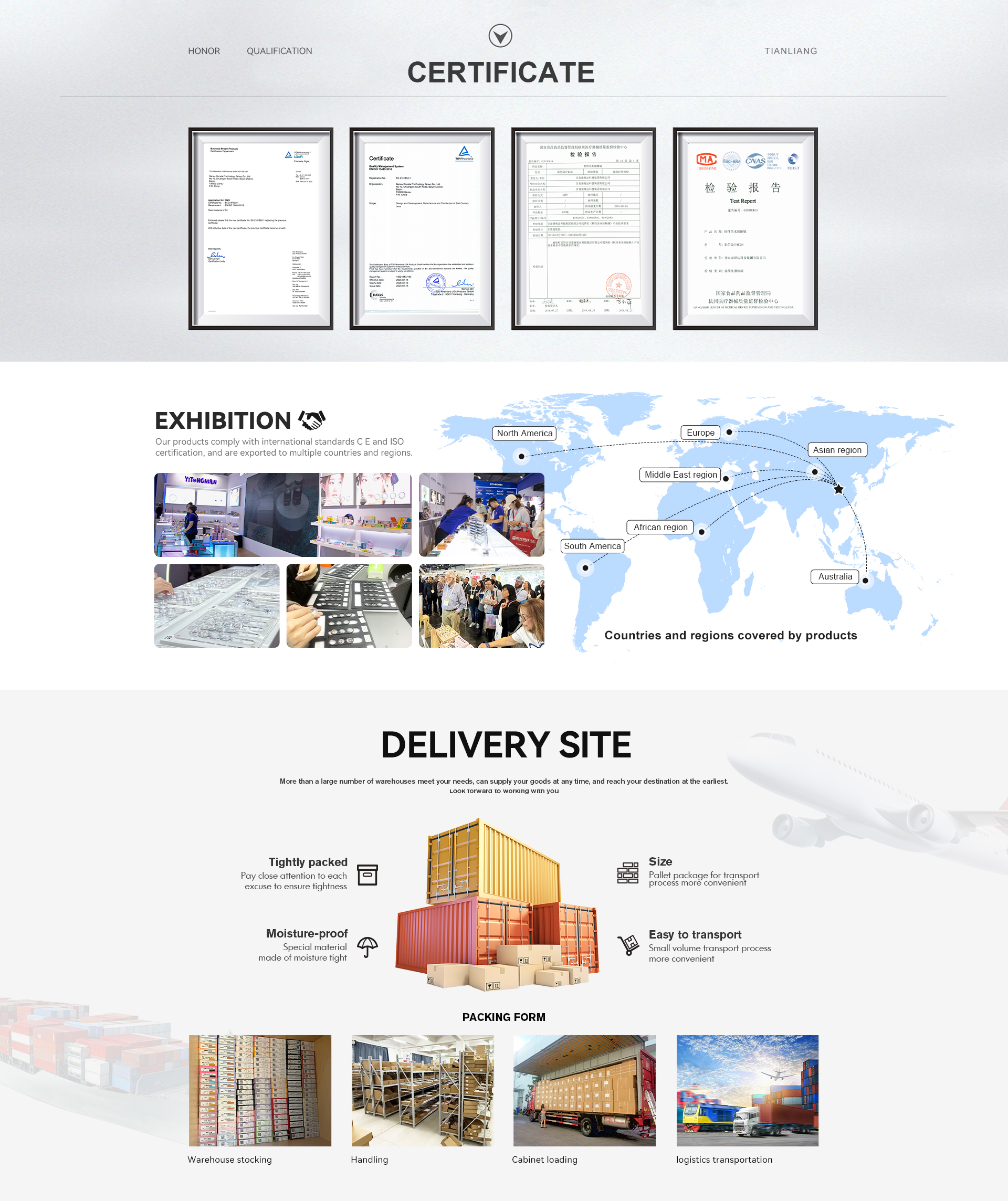
CE & ISO Certified Quality
SGS Onsite-Verified Facility
Full Power Matrix: 0.00 to -8.00D
Agile MOQ From 10 Pairs
Worldwide Door-to-Door Cold Chain Logistics
6+Years Sourcing Authority
Executive Summary & Manufacturer Credibility
Engineered for Clear Vision, Curated for Esthetic Distinction
In modern optometry and retail consumer beauty, Prescription Colored Contact Lenses represent the convergence of medical-grade ophthalmic correction and personalized cosmetic styling. No longer treated as an occasional novelty, refractive cosmetic lenses have evolved into a core staple of consumer self-expression and medical compliance.
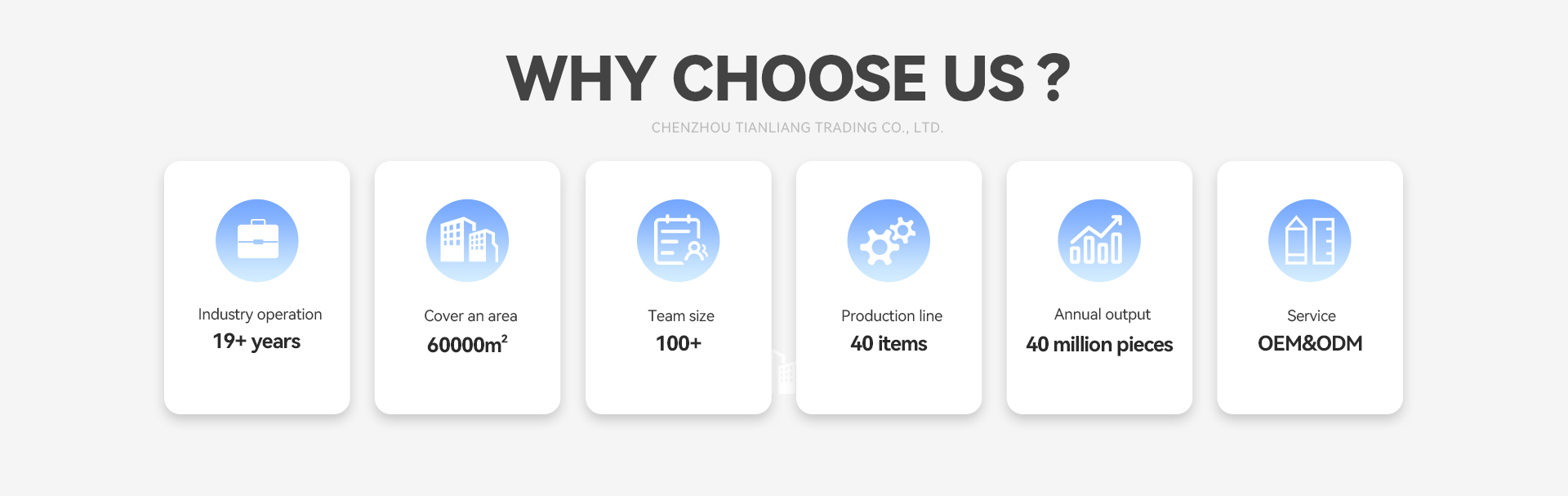
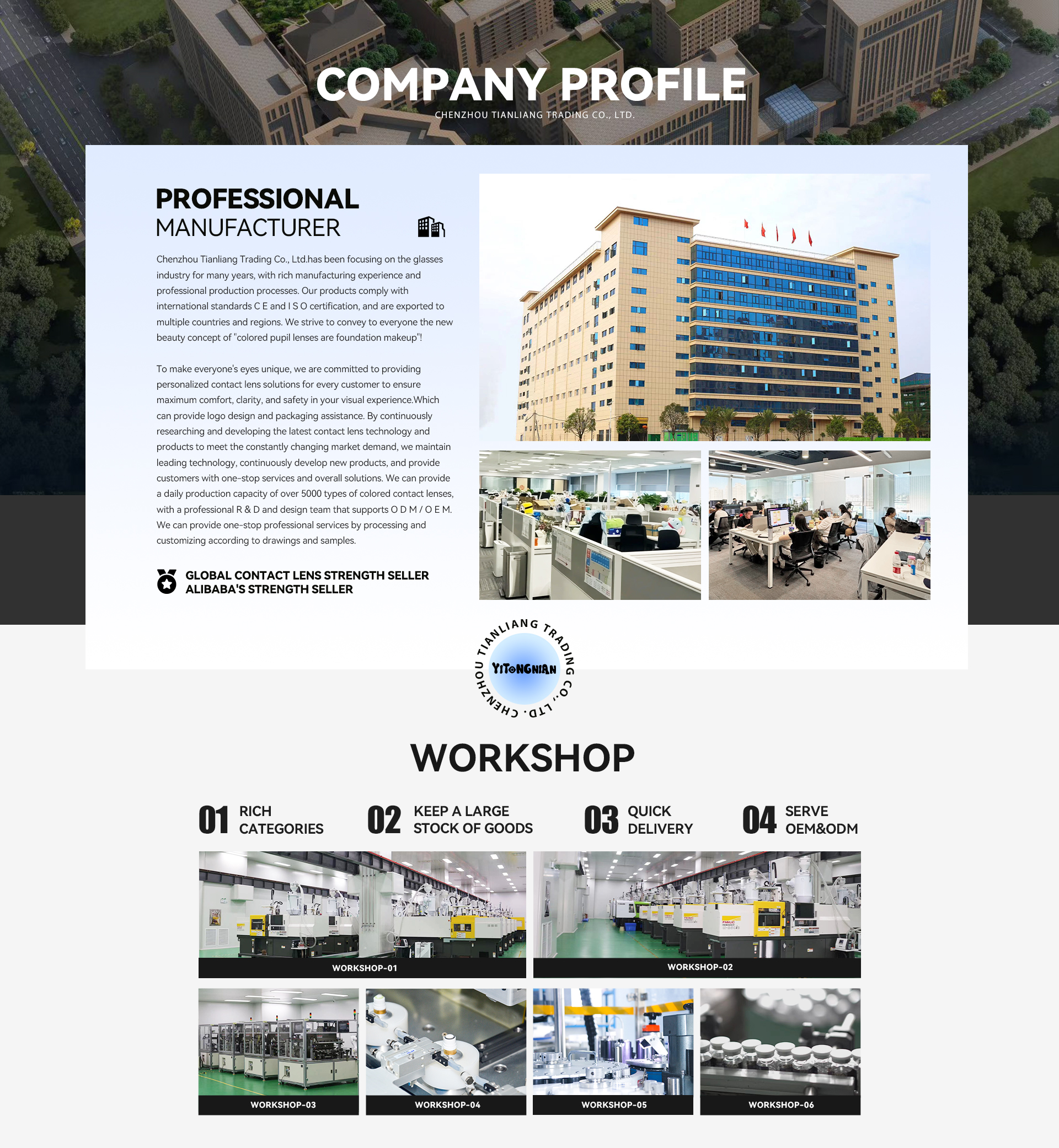
Operating since 2019, Colorlenshub Technology Co., Ltd. stands as a premier supply chain partner, manufacturer, and OEM/ODM engineering powerhouse. Certified under comprehensive international standards including CE and ISO, and verified on-site by SGS Group, we manufacture contact lenses that fulfill strict Class II/Class III medical device regulations across North America, the European Union, South America, and the Middle East.
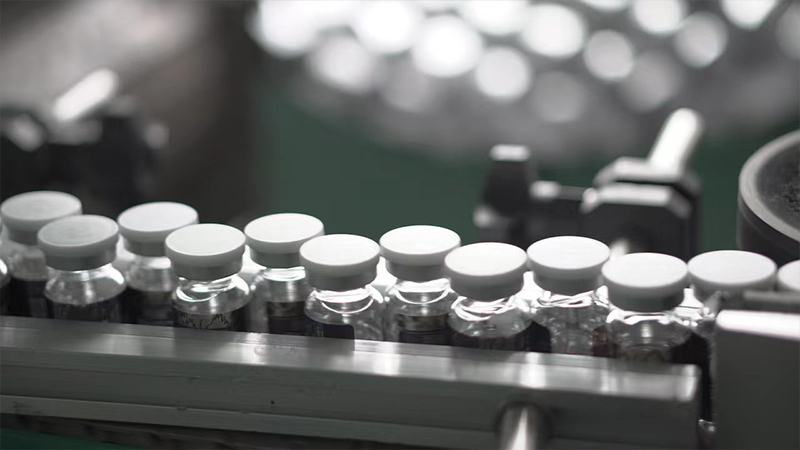
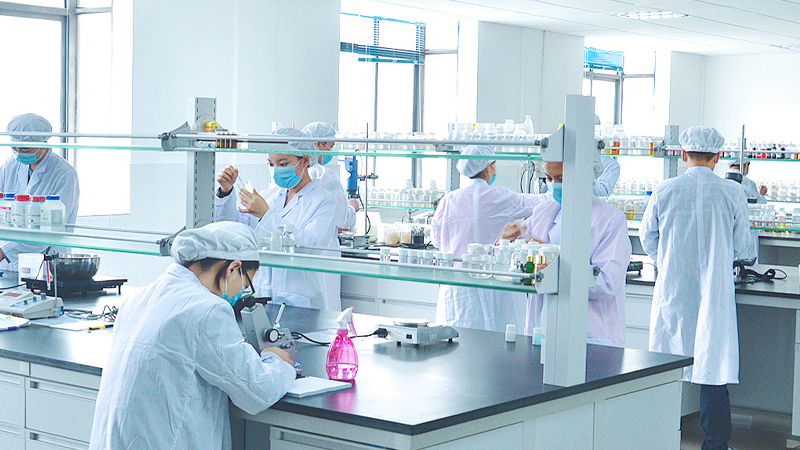
Every prescription lens manufactured in our 550m² climate-controlled cleanroom facility undergoes rigorous optical surface profiling. Utilizing advanced cast molding and 3-layer sandwich encapsulation technology, we deliver crystal-clear focal accuracy alongside comfortable all-day wearability.
True Refractive Accuracy
Precision diopter steps (-0.25D to -8.00D) engineered without optical aberration.
Zero-Pigment Corneal Contact
Patented sandwich micro-encapsulation ensures pigments are locked safely away from ocular tissue.
SGS & ISO Audited Quality
End-to-end traceability with complete batch analysis documentation for medical regulatory compliance.
Flexible Low-Risk Wholesale
In-stock inventory starting from 10 pairs per design for rapid market validation.
Discover our top-tier prescription soft colored contact lenses engineered for visual clarity, breathability, and stunning natural aesthetics.
0.00 to -8.00D
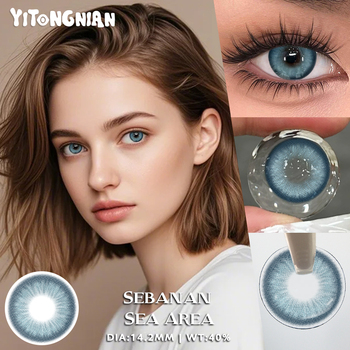
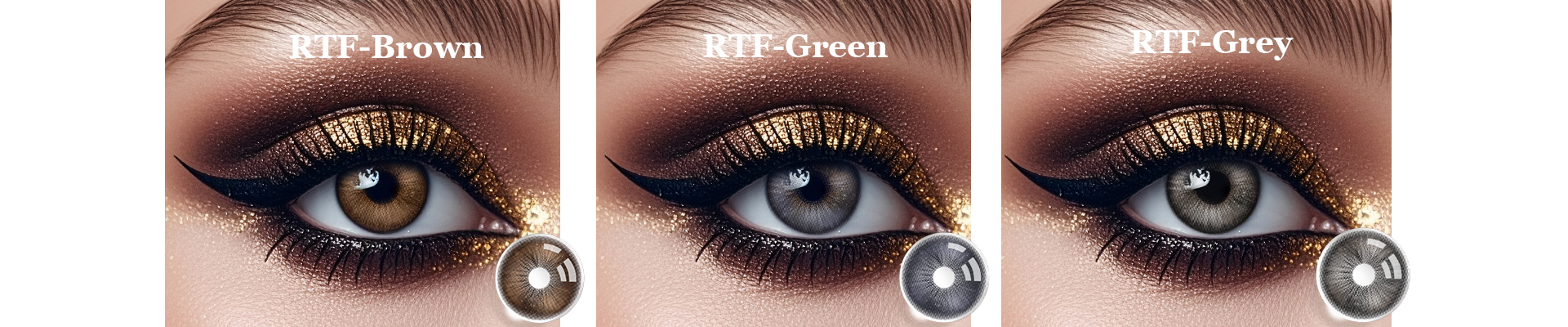
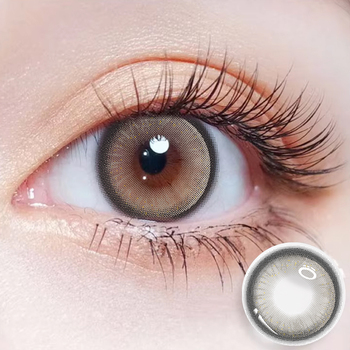
Korean Grey Series Prescription Circle Lenses
Cast Molded HEMA
14.2 mm / BC 8.6
Power: -0.50 ~ -8.00
Engineered with a defined limbal ring and radial striations to deliver subtle iris enlargement while providing corrective power for severe to mild myopia.
The pinnacle of natural transformation. Features seamless microporous color blending, ideal for dark brown eyes, complete with custom corrective diopter grades.
Superior oxygen permeability reduces corneal hypoxia during long working hours. Recommended for sensitive eyes requiring both prescription clarity and cosmetic tint.
Future Sourcing & Procurement Trends for Global Buyers
How demographic shifts, material science breakthroughs, and regulatory dynamics will redefine wholesale prescription contact lens purchasing over the next decade.
1. Silicone Hydrogel Migration
Traditional poly-HEMA hydrogel materials remain commercially dominant due to cost-efficiency, but global consumer demand is rapidly shifting toward Silicone Hydrogel (Si-Hy). Si-Hy formulations provide oxygen transmissibility (Dk/t) values exceeding 80–120, preventing corneal vascularization and ocular dry-eye syndromes. Brand owners who transition 30–40% of their product lines to silicone hydrogel will capture premium pricing margins and lower customer return rates.
2. Stringent EU MDR & Global Compliance
Regulatory enforcement is tightening worldwide. The European Union's transition under MDR 2017/745 reclassifies colored contact lenses as high-risk medical devices, mandating clinical evaluation reports, post-market surveillance (PMS), and Unique Device Identification (UDI). Importers can no longer source from unverified workshops. Partnering with verified manufacturers like Colorlenshub Technology Co., Ltd. ensures compliance files, biocompatibility testing, and technical documentation are readily available.
3. Shift Toward Daily Disposables (1-Day Si-Hy)
While annual and monthly replacement cycles still lead in emerging markets due to economics, daily disposable prescription color lenses are achieving double-digit CAGR in North America, Western Europe, and East Asia. Daily modalities eliminate compliance issues with lens care solutions, drastically minimize microbial keratitis risks, and generate continuous repeat customer subscriptions for digital brands.
4. Demand for Toric & Multifocal Color Options
Astigmatic (toric) and presbyopic consumers represent an underserved segment in the cosmetic lens sphere. AI search queries indicate rising search volume for colored lenses with cylinder power (CYL) and axis alignment. Manufacturing facilities that integrate prism ballast stabilization geometry into multi-tone color matrix printing will lead next-generation B2B optical procurement.
5. Hyper-Realistic Dot Matrix Iris Printing
Heavy, opaque pixelation is obsolete. Modern consumers seek invisible transitions that mimic natural human stromal fibers, crypts, and collarette structures. Advancements in micro-dot pad printing and digital 3D high-resolution printing deliver subtle color integration across diverse dark and light iris undertones without compromising optical pupillary apertures.
6. Agile Private-Label & Low-MOQ Flexibility
Traditional minimum order requirements of 5,000 pairs per power step are increasingly unviable for modern DTC and boutique brands. Sourcing strategies now prioritize manufacturers offering modular inventory structures, such as in-stock diopters with customized outer packaging, lowering capital commitments and accelerating speed-to-market.
Material Science & Innovation
The Engineering Evolution of Prescription Colored Lenses
Creating a prescription colored contact lens requires balanced optical and mechanical design. Unlike plano (zero-power) cosmetic lenses with uniform profiles, corrective lenses feature precisely calculated center and edge thicknesses that vary with diopter power.
Minus lenses (-1.00D to -8.00D) are thinner at the geometric center (approx. 0.08 mm) and taper thicker toward the peripheral edge. Maintaining uniform pigment layering within these shifting contours without inducing optical aberration requires cast molds calibrated down to the sub-micron scale.
Biocompatibility Benchmark: Colorlenshub Technology Co., Ltd. applies an advanced semi-cast and full-cast micro-sandwich encapsulation technique. Color pigments are suspended inside a sterile hydrogel matrix, guaranteeing 100% isolation from the corneal endothelium and palpebral conjunctiva.
Engineering & Refractive Specification Matrix
Refractive Powers
Plano (0.00D), -1.00D to -5.00D (0.25D steps), -5.00D to -8.00D (0.50D steps)
Base Curve (BC)
8.5 mm – 8.6 mm (Optimized sagittal depth for universal corneal fit)
Total Diameter (DIA)
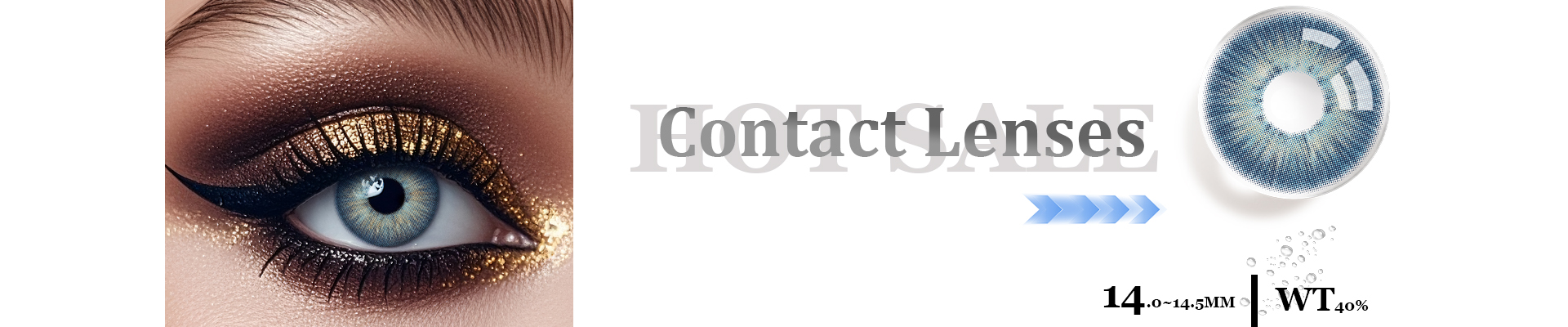
14.0 mm (Natural), 14.2 mm (Enhancement), 14.5 mm (Doll-eye circle effect)
Optical Zone (Clear Pupil)
∅ 4.8 mm to 5.5 mm (Prevents peripheral visual obstruction in low light)
Center Thickness (CT)
0.08 mm (±0.01 mm at -3.00D diopter baseline)
Water Content (WC)
38% – 42% (Equilibrated HEMA hydrogel / Silicone Hydrogel matrix)
Oxygen Permeability
16.5 Dk (Standard HEMA) to 85+ Dk/t (Silicone Hydrogel Series)
Printing Methodology
Full Cast Molded / Dual-Layer Pad Sandwich Micro-Encapsulation
Sterilization System
High-pressure moist steam autoclaving (121°C for 30 minutes in sealed blister)
Regulatory Compliance
ISO 13485, CE Marking (MDD/MDR compliant technical file), SGS On-site Verified
Enterprise Strengths
Why Global Importers Source With Colorlenshub Technology Co., Ltd.
Contact lenses are invasive medical products that sit directly on the cornea. Colorlenshub Technology Co., Ltd. operates under strict quality standards to safeguard end-user health and protect brand reputation.
ISO 13485
CE Compliant
MDD / MDR Ready
100% In-Line Diopter & Refractive Power InspectionEach prescription lens batch is tested on laser focal analyzers to ensure power accuracy.
Corneal Contact & Edge Profile ProfilometryMicroscopic edge contouring prevents abrasive friction against the sclera and eyelids.
Biocompatibility, Extractables & Leachables TestingCytotoxicity and heavy metal tests verify no pigment migration into surrounding saline solution.
Hermetic Blister Seal Integrity & Autoclave SterilityMedical peelable aluminum foils are tested under vacuum pressure to preserve 5-year shelf-life sterility.
Technical, regulatory, and logistics answers for wholesale buyers, clinic directors, and brand developers.
What diopter range is available for wholesale prescription colored contact lenses?
Colorlenshub Technology Co., Ltd. provides a wide range of powers from plano (0.00 diopters) down to -8.00 diopters for myopia correction. Typically, diopters are structured in 0.25D increments between -1.00D and -5.00D (e.g., -1.00, -1.25, -1.50, ..., -5.00), and 0.50D increments from -5.00D to -8.00D (e.g., -5.50, -6.00, -6.50, -7.00, -7.50, -8.00). Selected custom OEM programs can accommodate hyperopia (plus powers) upon request.
How does sandwich pigment encapsulation protect the patient's cornea?
Our sandwich micro-encapsulation embeds mineral and organic color pigments entirely within two bonded layers of biocompatible hydrogel or silicone hydrogel. The colorants never touch the corneal surface or the conjunctiva, preventing corneal staining, allergic keratitis, and mechanical irritation. This ensures smooth surface lubricity and optimal tear exchange.
What international medical device certifications accompany these lenses?
Our prescription contact lenses are manufactured in accordance with ISO 13485 medical device quality management standards and carry CE compliance (MDD 93/42/EEC / EU MDR technical documentation). Furthermore, Colorlenshub Technology Co., Ltd. has undergone an onsite facility audit by SGS Group. We provide batch certificates of analysis (COA), sterilization reports, and biocompatibility documentation to assist with import customs clearances.
What is the minimum order quantity (MOQ) across different diopters?
For our standard in-stock inventory lines, our minimum order quantity starts at just 10 pairs per design, allowing buyers to curate a diverse diopter spectrum without excessive capital risk. For custom OEM/ODM production featuring bespoke iris patterns, personalized blister sealing foils, and branded folding boxes, MOQs typically start at 500 units per diopter SKU, with volume discounts on larger scale runs.
Can we customize blister foils, retail boxes, and user guides with private-label branding?
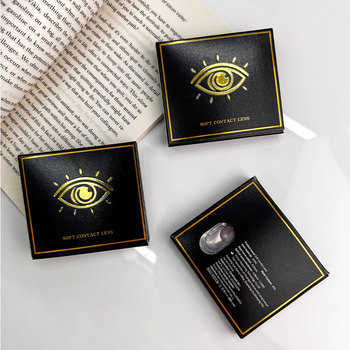
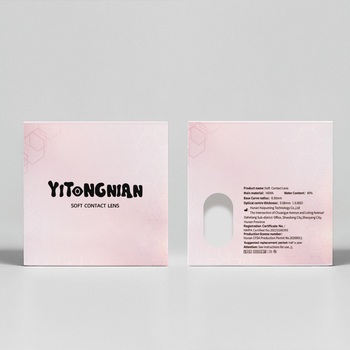
Yes, we offer comprehensive OEM private-label capabilities. Our services include custom blister foil lid printing, single-pair and multi-pair retail packaging, luxury slide drawer boxes, patient Instruction-for-Use (IFU) leaflets in multiple languages, and diopter barcode labeling that aligns with international logistics requirements. Our in-house design team provides complimentary packaging and layout assistance.
What are typical production lead times and global shipping methods?
Ready-to-ship stock orders are processed and dispatched within 3 to 7 business days via major express couriers (DHL, FedEx, UPS) or door-to-door air freight. Full OEM/ODM private-label production batches requiring custom molding, power calibration, and printed packaging take approximately 20 to 35 business days depending on design complexity and regulatory labeling requirements.
Scale Your Eyecare Brand With Prescription Colored Lenses
Contact our medical device team today to receive a complete diopter master catalog, request factory-direct samples, or discuss private-label OEM manufacturing requirements.


 0.00 to -8.00D