Natural-looking color contacts are less about dramatic change and more about believable detail. The right pair should complement your natural iris, skin tone, and everyday lighting. A soft limbal ring, gentle color variation, and a pattern that does not look printed can make a noticeable difference. Small details matter.
There is a large audience for contact lenses: the U.S. Centers for Disease Control and Prevention estimates that about 45 million Americans wear them. That figure covers contact lenses generally, not colored lenses specifically, but it shows why comfort and safe wear deserve attention. The U.S. Food and Drug Administration classifies decorative lenses as medical devices, even when they have no vision correction. A cosmetic choice still needs proper fitting and professional guidance.
This guide to the 7 best color contacts for natural-looking eyes will compare shades, opacity, and design details, while keeping comfort in view. Hazel may warm brown eyes; muted gray can soften a darker iris. Results vary with eye color and room lighting. That part is easy to underestimate. No shade chart can promise an exact match on every eye, and product photos may look different from real-life results. Use these picks as a starting point, then ask an eye-care professional about fit, wear, and care before choosing.
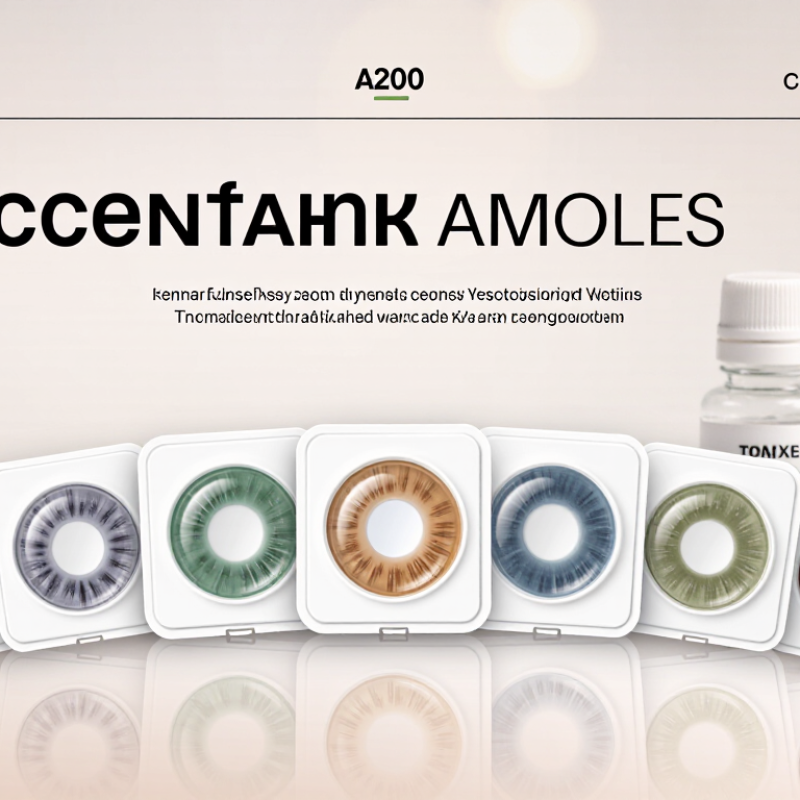
Natural-looking color contacts do more than cover the iris with a new shade. Their printed pigment usually combines subtle color variations with fine radial lines, echoing the uneven patterns found in natural irises. Some lenses also use a darker outer ring, which can define the eye. If that ring is too bold, though, the result may look less convincing.
The central opening keeps the pupil clear, while the colored area sits over the iris. How it appears depends on your natural eye color, the lens design, and the lighting. A soft hazel pattern may look warm near a window but flatter under cool indoor lights. Small details matter. Even the visible edge of a lens can affect the overall effect.
Natural does not mean identical for everyone. On dark eyes, a subtle tint may blend in, while a more opaque design can create a noticeable change. That is worth considering before choosing a shade. A qualified eye-care professional can assess fit and advise whether a lens is suitable for your eyes. Decorative contacts still touch the eye, so follow the care instructions, never share them, and stop wearing them if you notice pain, redness, or blurred vision. The look is only one part of a good choice.
| Color Contact Style | How It Creates a Natural Effect | Often Suits | Likely Appearance | Natural-Look Tip |
|---|---|---|---|---|
| 1. Subtle enhancement tint | Adds a gentle boost to the wearer’s existing iris color rather than fully covering it. | Light eyes or anyone wanting a modest change. | A softly intensified version of the natural eye color. | Choose a shade close to the natural iris; enhancement tints may show less on dark eyes. |
| 2. Blended hazel | Mixes brown, gold, and green tones, echoing the color variation found in many irises. | Brown, hazel, or green eyes; warm-toned looks. | A warm, dimensional shift that can look less uniform than a single flat color. | Look for several closely blended tones rather than a sharply defined color block. |
| 3. Soft olive green | A muted green with brown or golden detail can blend more readily with natural iris colors. | Hazel or light-to-medium brown eyes. | A subtle green cast with warmer undertones. | Muted shades generally appear less dramatic than bright, highly saturated green. |
| 4. Soft gray with blended detail | Gray mixed with fine tonal variation can create a cool shift without a uniform, painted-on look. | Light eyes or those seeking a restrained cool-toned change. | A cooler or slightly smoky appearance; the result varies with the original eye color. | Choose a gray that includes subtle iris-like patterning and suits your natural coloring. |
| 5. Muted blue with a soft transition | A subdued blue and softly blended inner pattern can make the color change look less stark. | Light eyes or people who want a noticeable but softened blue shift. | A blue-toned iris, with the final effect influenced by the natural eye color. | Avoid choosing solely from product images; lighting and your own iris affect how color appears. |
| 6. Natural-style limbal ring | A softly defined outer ring can emphasize the iris while a gradual edge helps avoid a harsh outline. | Anyone seeking subtle definition with a small overall color change. | A more defined iris appearance; the result depends on ring contrast and lens fit. | For a softer effect, prefer a ring that fades into the lens color rather than a solid dark circle. |
| 7. Multi-tonal brown | Several brown shades and fine iris-like details can add depth while keeping the overall color close to brown. | Brown eyes or anyone wanting a subtle, warmer change. | A gently warmer or more defined brown appearance. | Select a brown close to your natural iris for a blended effect rather than a dramatic contrast. |
Appearance varies with natural eye color, lighting, and lens design. Contact lenses are medical devices: get a prescription and fitting from an eye-care professional, follow the care instructions, and do not share lenses.
Natural-looking color contacts should echo your features, not cover them completely. Compare shades beside a window, where daylight reveals your skin’s undertone and your iris’s flecks. Warm brown eyes often pair softly with honey or chestnut tones; cool gray or blue eyes may suit muted taupe or slate. For a subtle effect, choose a shade close to your natural eye color and avoid an overly sharp, dark outer ring. The result can vary. Indoor lighting changes everything.
Hair and brows matter, too. A warm complexion with auburn hair may look balanced with soft hazel, while dark hair can carry a deeper brown without seeming stark. If your eyes have amber spokes or a darker rim, look for lenses that preserve some of that pattern. Try samples with your usual makeup, then check them in daylight. A mirror can flatter; a phone photo may reveal an unexpected contrast.
Fit and eye health matter more than color. The CDC estimated 40.9 million U.S. adults wore contact lenses, in a 2015 analysis. Another CDC report estimated about one million U.S. outpatient and emergency visits yearly for contact-lens-related keratitis; these figures concern contact lenses overall, not color lenses alone. In the United States, FDA guidance treats decorative colored lenses as medical devices requiring a prescription. Ask an eye-care professional to assess fit before choosing a shade. This part is easy to overlook.
For a subtle change, consider seven color options: translucent enhancement tints, soft brown, honey, hazel, olive green, muted gray, and dusty blue. Enhancement tints deepen an existing iris rather than covering it, so they tend to suit lighter eyes. Brown and honey shades add warmth; hazel blends brown and green tones. Olive green can look understated against brown eyes, while gray and dusty blue often create a cooler shift. On dark eyes, an opaque lens may show more color, but the result can look less natural. Small details matter.
A shade can look convincing in a product photo and oddly flat in daylight. Check how it appears near a window, and notice whether its printed pattern blends with your iris instead of forming a sharp ring. There is no universally realistic shade; skin tone, eye color, and lighting all affect the impression. Cosmetic lenses still need a proper fitting, even when they have no vision correction. An eye-care professional can check fit and explain safe wear and cleaning. Never share lenses, sleep in them unless specifically approved, or wear them through irritation. Comfort comes first. If redness, pain, blurred vision, or unusual watering occurs, remove the lenses and seek professional advice.
Colored contacts can look subtle in a product photo and much brighter beside a window. Your natural iris, pupil size, and lighting all change the result. A soft outer ring may blend better than a sharply printed edge, but appearance is personal. Photos can mislead.
Even non-corrective lenses need a proper fit. Ask an eye-care professional to check the lens’s curve, diameter, and movement on your eye. A lens that feels tight or shifts across the eye may cause irritation. One easy mistake is treating comfort as proof of a good fit. It isn’t.
Wash and dry your hands before handling lenses, and use fresh contact lens solution. Never rinse lenses with tap water or wear them while swimming. Follow the prescribed wear and replacement schedule, and don’t sleep in lenses unless an eye-care professional specifically says it is safe for you. Remove them and seek prompt eye-care advice if you notice pain, redness, light sensitivity, or blurred vision.
Color contacts can look subtle, but safe wear starts with a proper eye exam and a lens fitted to your eyes. Even decorative lenses need professional guidance and an appropriate prescription. A lens that feels tight or moves unevenly can irritate the eye, even if its color looks perfect.
Wash and dry your hands before handling lenses. Check each lens for tears or debris, then follow its wear and replacement schedule. Use fresh contact lens solution; never rinse lenses or their case with tap water. Clean hands matter. Put lenses in before applying makeup, and remove them before taking makeup off. Do not sleep, swim, or shower in them unless an eye-care professional specifically advises otherwise.
It is easy to rush cleaning after a long day. That is exactly when a little carelessness can creep in. If your eyes sting, become red, or blur, remove the lenses and contact an eye-care professional if symptoms persist. Don’t share lenses, even for a quick try-on. Replace the storage case as directed, and let your eyes rest if they feel dry or tired. A natural look isn’t worth ignoring discomfort.
Fine radial lines and subtle color variations can echo natural iris patterns. A soft outer ring may add definition. Small details matter.
No. Your natural eye color, lens design, and lighting all affect the result. A shade may look warm by a window and flatter indoors.
A subtle tint may blend in, while a more opaque design can create a noticeable change. It is worth thinking about the effect before choosing.
Not necessarily. A gentle ring can define the eye, but a bold edge may look less convincing. I may be overthinking it, but the edge matters.
Yes. An eye-care professional can assess the fit and whether lenses suit your eyes. Even decorative lenses touch the eye.
Wash and dry your hands. Check each lens for tears or debris, and follow its wear and replacement schedule. Clean hands matter.
Avoid these activities unless an eye-care professional specifically advises otherwise. Remove lenses before taking makeup off, and put them in before applying makeup.
Remove the lenses. If pain, redness, or blurred vision persists, contact an eye-care professional. The look is not worth ignoring discomfort.
No. Do not share lenses, even for a quick try-on. Use fresh contact lens solution, and never rinse lenses or their case with tap water.
Natural-looking color contacts can enhance eye color without appearing dramatic when the shade, pattern, and opacity work with your natural features. Consider your original eye color, skin tone, and hair color when comparing options such as soft brown, hazel, gray, green, or subtle blue. A design with gentle color variation and a defined but blended outer edge may look more realistic than a flat, highly opaque lens. The best choice is one that complements your appearance while still feeling like you.
Before wearing color contacts, make sure they fit properly and feel comfortable; an unsuitable lens can irritate your eyes or affect vision. Follow professional guidance on fit, wear time, cleaning, and storage, and never share lenses. Wash and dry your hands before handling them, use the recommended lens-care solution, and stop wearing them if you notice pain, redness, or blurred vision. With thoughtful shade selection and careful wear, color contacts can offer a subtle change while supporting eye comfort and safety.