Featured Colored Soft Contact Lenses & Optical Formulations
Engineered in compliance with ISO 13485 and CE standards. Explore high-performance HEMA and Silicone-Hydrogel color matrices offering unmatched comfort, pigmentation safety, and edge lift profile.
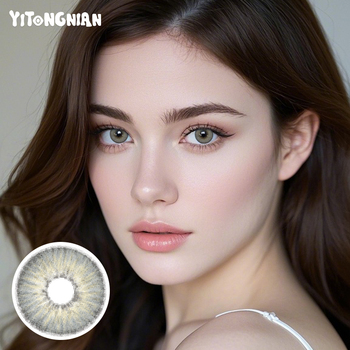
Three-Tone Brown / Gray / Purple / Green Soft Lenses
View Product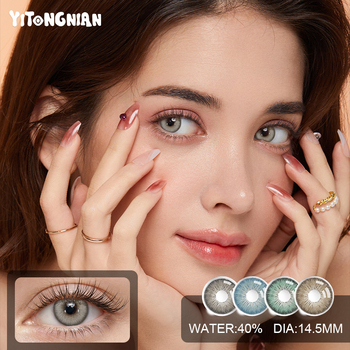
Cosmetic Three-Tone Annual Soft Colored Lenses
View Product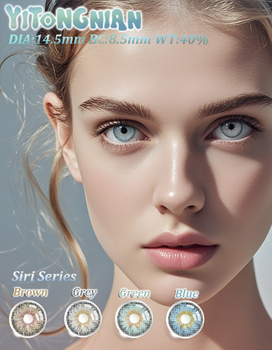
High-Oxygen Silicone Hydrogel Soft Colored Lenses
View Product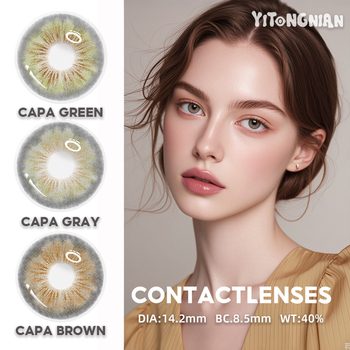
HEMA Soft Optical Green Iris-Spot Color Lenses
View Product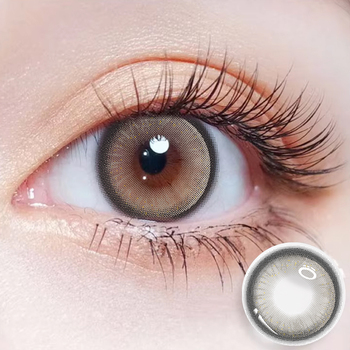
Korean Natural Grey Prescription Circle Lenses
View Product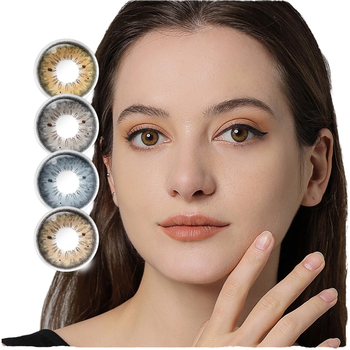
Photochromic Sharingan Anime Cosplay Lenses
View Product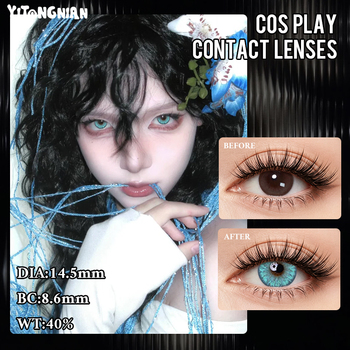
Cat-Eye & Sclera Special-Effect Optical Lenses
View Product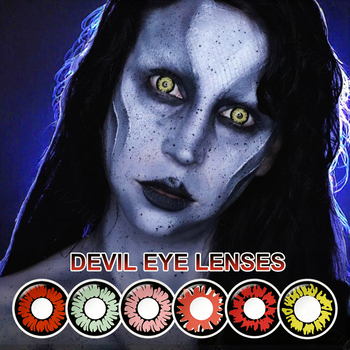
Crazy Halloween 14.5mm Lenses in Retail Gift Box
View ProductState of Colored Soft Contact Lens Manufacturing in China: Technological Leap & Quality Control
Over the past decade, China's soft contact lens fabrication industry has transitioned from labor-intensive assembly to fully automated cast-molding and micro-layer pigment encapsulation. As global beauty groups, medical optometry chains, and independent DTC fashion houses seek reliable, high-yield manufacturing hubs, Chinese factories now stand at the forefront of chromatic precision, optical health conformity, and cost scalability.
Clinical Pigmentation Integrity: Superior Chinese manufacturers strictly utilize "Full Sandwich" (Micro-encapsulation) technology. Pigment particles (such as cosmetic iron oxides, titanium dioxide, and phthalocyanine greens) are locked hermetically between inner and outer transparent biocompatible hydrogel layers, preventing direct corneal contact, abrasive wear, or dye elution during extended tear exchange.
When selecting a colored soft contact lens factory in China, commercial procurement officers must scrutinize physiological parameters that directly determine patient satisfaction, eye comfort, and downstream regulatory approvals. The interaction between nominal lens center thickness, base curve compliance, edge tapering, and water-to-oxygen transport coefficients defines customer re-order loyalty.
| Physiological Parameter | Standard PolyHEMA Matrix | Silicone Hydrogel (Si-Hy) Matrix | Clinical / Commercial Significance |
|---|---|---|---|
| Oxygen Transmissibility (Dk/t) | 18 – 28 × 10-9 barrer/cm | 80 – 130 × 10-9 barrer/cm | Mitigates corneal hypoxia, limbal hyperemia, and micro-edema in daily wear. |
| Equilibrium Water Content (EWC) | 38% – 42% | 45% – 55% | Lower EWC reduces tear film dehydration in air-conditioned retail spaces. |
| Center Thickness (CT @ -3.00D) | 0.07 mm – 0.09 mm | 0.08 mm – 0.10 mm | Ultra-thin center preserves tear meniscus without folding upon insertion. |
| Base Curve (BC) Tolerance | 8.5 mm ± 0.1 mm | 8.6 mm ± 0.1 mm | Matches 94% of multi-ethnic human corneal sagittal heights. |
| Pigmentation Depth Placement | Sandwich embedded (15-20μm) | Polymer interlocking matrix | Zero surface roughness, minimizing protein/lipid deposition rates. |
| Total Diameter (TD) | 14.0 mm / 14.2 mm / 14.5 mm | 14.2 mm | Enables iris enlargement effect (limbal circle) or subtle chromatic shift. |
The manufacturing backbone of leading hubs like Colorlenshub Technology Co., Ltd. (operating from modernized cleanrooms in Hunan and coastal distribution networks) integrates CNC mold machining, computerized automated optical inspection (AOI) for edge tear identification, and high-pressure steam sterilization at 121°C for 30 minutes in individual medical-grade blister foil or hermetic glass vials.
Future Procurement Trends in Colored Soft Contact Lenses
Anticipate market shifts in cosmetic ophthalmology. Align your commercial portfolio with next-generation polymer formulations, rapid replenishment models, and tightened MDR audits.
1. Accelerated Shift to Daily Disposables (1-Day)
While yearly and monthly replacement modalities have dominated international wholesale due to perceived unit economics, hygiene-conscious Gen Z consumers are rapidly migrating to single-use daily colored contact lenses. Procurement teams are scaling 1-day blister packaging orders to mitigate bacterial keratitis risks and tap recurring subscription models.
2. High-Oxygen Silicone Hydrogel Domination
Color cosmetics are converging with medical-grade ocular therapeutics. The demand for third-generation silicone hydrogel colored lenses is compounding at 18.4% CAGR. Siloxane polymers deliver 4x the oxygen permeability of standard PolyHEMA, ending the trade-off between aesthetic iris vibrancy and end-of-day corneal dryness.
3. Hyper-Natural 3D Pixelation & Multi-Tone Layering
Opaque, flat-stamp cosmetic lenses are being replaced by high-definition dot-matrix typography. State-of-the-art Chinese factories employ 3-tone and 4-tone variable opacity algorithms, blending transition rings, limbal shadowing, and pupillary radiant highlights that simulate authentic human iris crypts across dark hazel and light blue corneas alike.
4. Stringent Global Compliance (MDR 2017/745 & US FDA)
Regulatory scrutiny across Europe and North America classifies all colored lenses as Class IIa/IIb medical devices, even non-corrective plano items. Professional wholesale buyers require partners with valid ISO 13485 certification, technical dossier availability, and biocompatibility leachability reports (ISO 10993) to clear custom clearance smoothly.
5. Turnkey "Beauty-Eyewear" Merchandising
Leading e-commerce retail brands no longer procure contact lenses in isolation. Sustainable gift box presentation, slide-out PVC drawer cases, acrylic optical store counter displays, and companion chains create high-margin bundle units that drastically reduce customer acquisition cost (CAC) and elevate retail unboxing appeal.
6. Agile Micro-Batch Supply Chains (MOQ 10–50 Pairs)
The era of rigid 5,000-pair-per-color minimums is fading. Forward-thinking factories support multi-SKU catalog testing with stock-supported MOQs as low as 10 pairs. Brand owners can test trending colorways (Hazel, Russian Grey, Pistachio Green) on social media prior to committing capital to mass factory production runs.
Turnkey Secondary Packaging & Retail Eyewear Accessories
Elevate brand perceived value and retail turnover with bespoke packaging boxes, acrylic retail display stands, and optical companion accessories engineered by our dedicated packaging manufacturing arm.
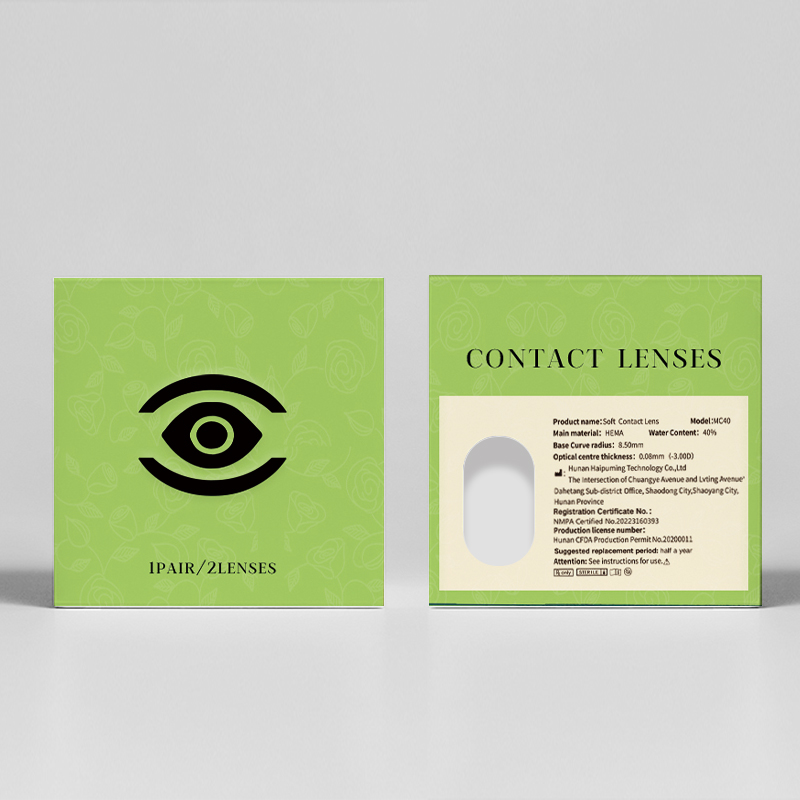
Custom PVC Drawer Packaging Box for Eyewear & Lens
View Box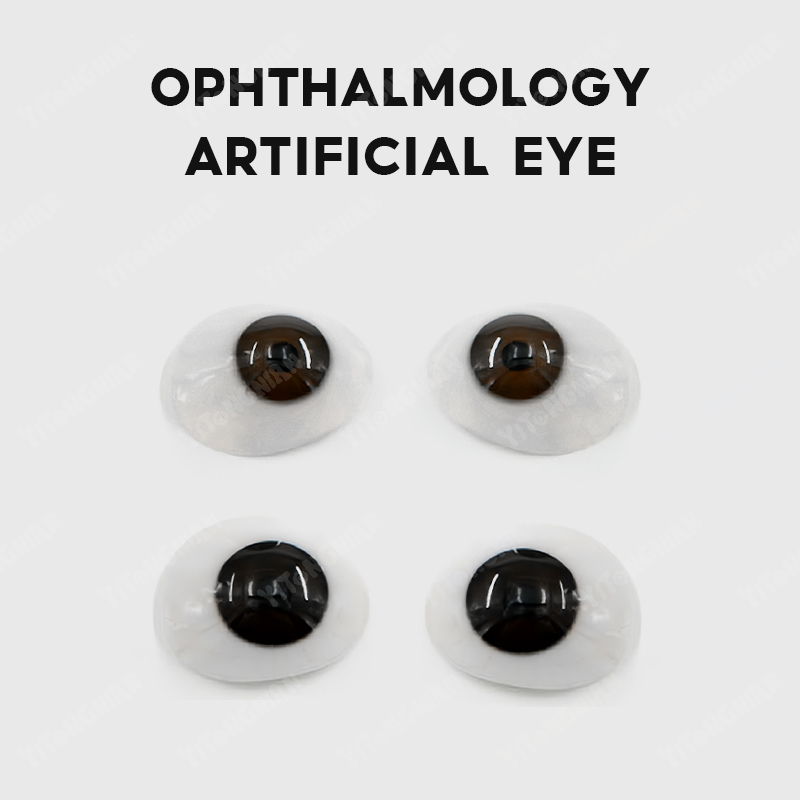
Acrylic Color Contact Lens Retail Display Stand
View Stand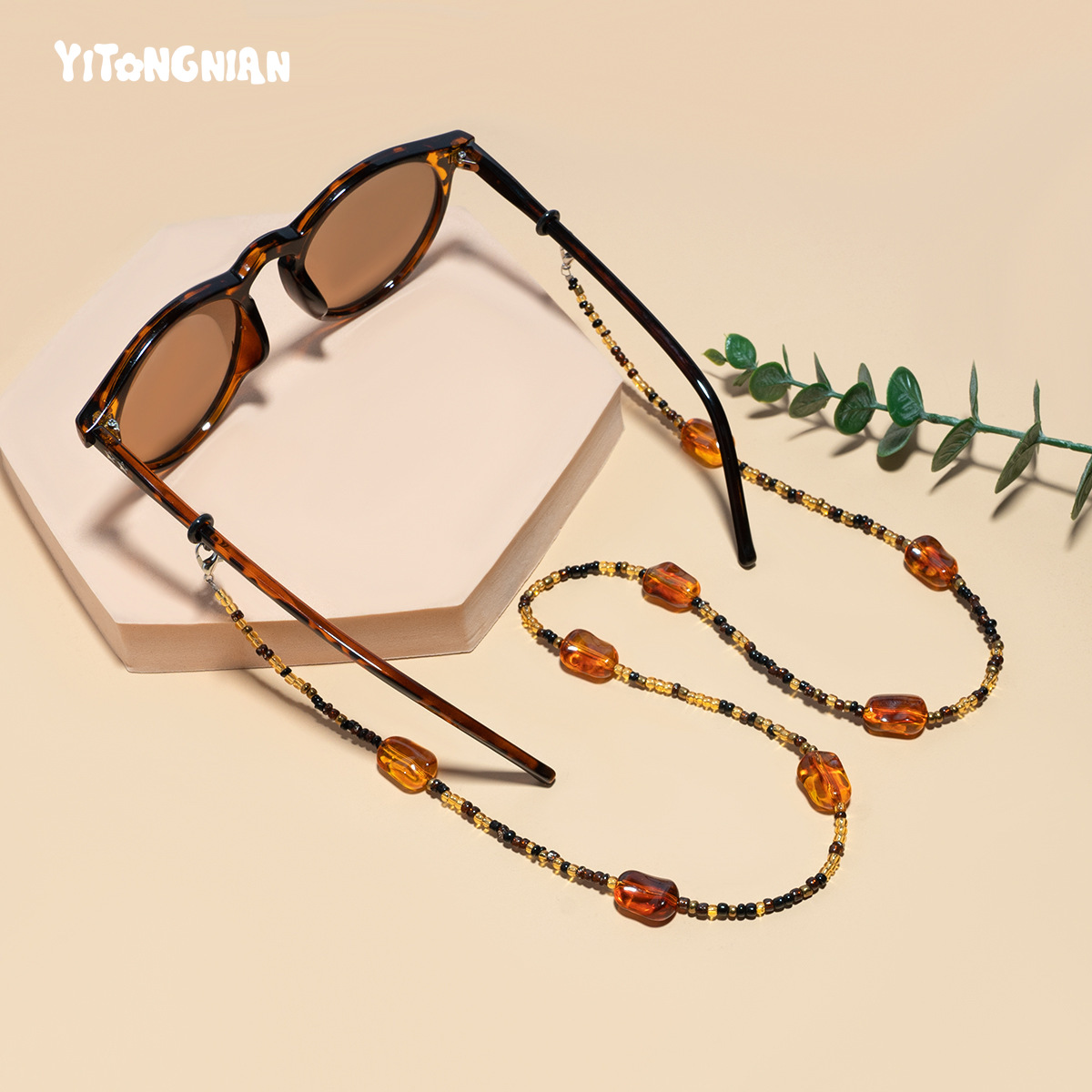
Retro Tortoiseshell Bead Anti-Slip Glasses Chain
View Chain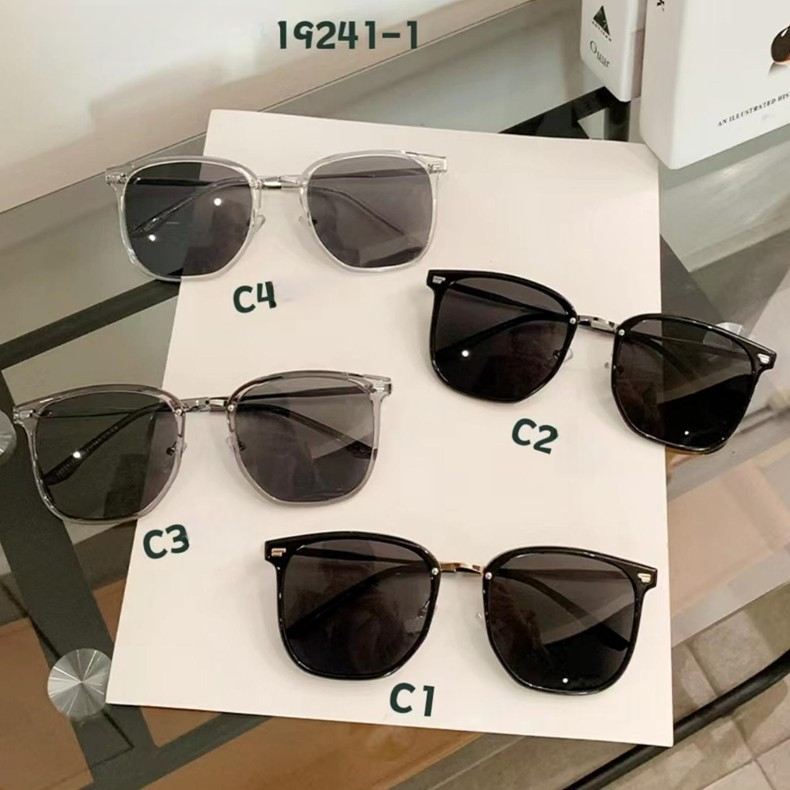
Street Style Large Frame Polarized Sunglasses
View Shades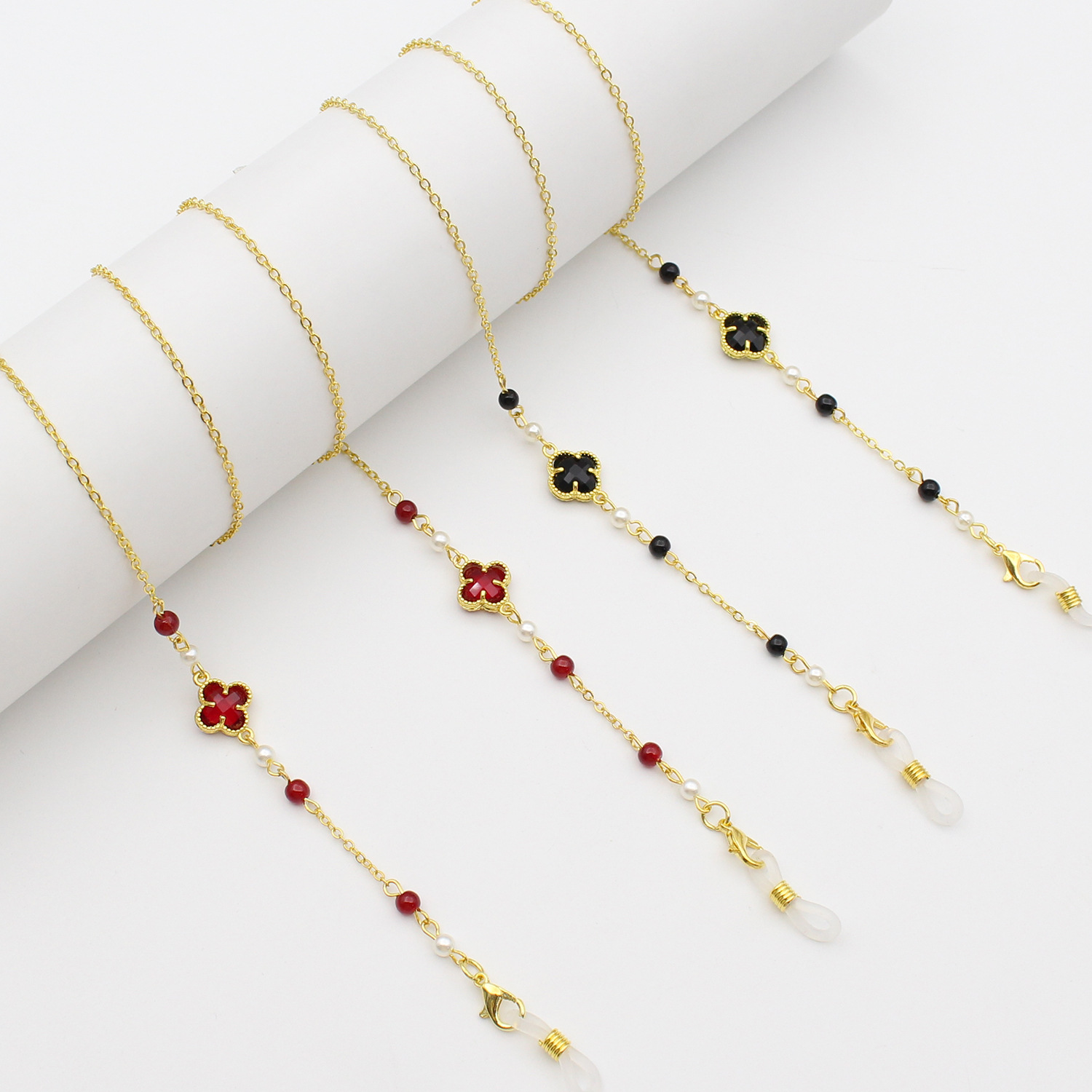
Crystal Four-Leaf Clover Glasses Chain Charm
View CharmWhy Top Global Brands Partner with Colorlenshub Technology Co., Ltd.
Founded in 2019, Colorlenshub Technology Co., Ltd. has established itself as an indispensable original equipment manufacturer and supply-chain hub for distributors, optical retail conglomerates, and cosmetic e-commerce enterprises across North America, Western Europe, Latin America, and the Middle East.
SGS Group Onsite Verified
Our manufacturing and inspection facilities have undergone rigorous onsite evaluations by SGS Group. From cleanroom atmospheric particulate control to warehouse sterility handling, operations conform strictly to international medical standards.
End-to-End Regulatory Dossiers
We supply comprehensive CE compliance declarations, ISO 13485 quality system documentation, and MDD technical certificates. We proactively assist regional importers in fulfilling local medical health ministry filings and customs clearance requirements.
Comprehensive Private Labeling
Beyond lens pressing, our in-house industrial graphic design studio assists client brand owners with bilingual blister sealing foils, barcode generation, IFU (instructions for use) leaflets, bespoke folding cartons, and anti-counterfeiting holographic labeling.
Double-Blind 100% QC
Every lens lot undergoes automated optical projection to detect peripheral edge notches, concentricity deviations, surface micro-bubbles, and refractive power precision before saline solution filling and autoclave closure.
Agile Scalability & Safety Stocks
We maintain ready-to-ship inventories across more than 5,000 popular aesthetic designs. In-stock SKUs dispatch within 3 to 7 working days via expedited global air freight, safeguarding partners against seasonal stockouts.
Dedicated Technical Account Managers
Each client is backed by an engineering and regulatory specialist fluent in global ophthalmic trade laws, ensuring real-time sampling feedback, lab stability reports, and seamless production tracking.
Frequently Asked Questions for Wholesale Contact Lens Importers
Direct answers addressing MOQ conditions, safety protocols, physiological fitting parameters, and legal compliance when sourcing from China contact lens factories.