Industry Executive Summary: B2B Sourcing Landscape
The global demand for specialized theatrical, anime cosplay, and decorative cosmetic contact lenses has experienced exponential growth, evolving from seasonal Halloween novelties into a multi-million dollar year-round optical industry sector. As global distributors, retail beauty chains, optical groups, and e-commerce brand owners navigate this market, identifying qualified, compliant, and technologically advanced manufacturing partners in China has become a core strategic imperative.
This technical whitepaper provides B2B buyers with complete visibility into the manufacturing engineering, polymer material science, global regulatory frameworks (CE, ISO 13485, US FDA), and supply chain logistics required to source high-margin, safe, and high-performance costume contact lenses directly from China's leading OEMs and exporters.
Featured Costume Contact Lenses & OEM Accessories
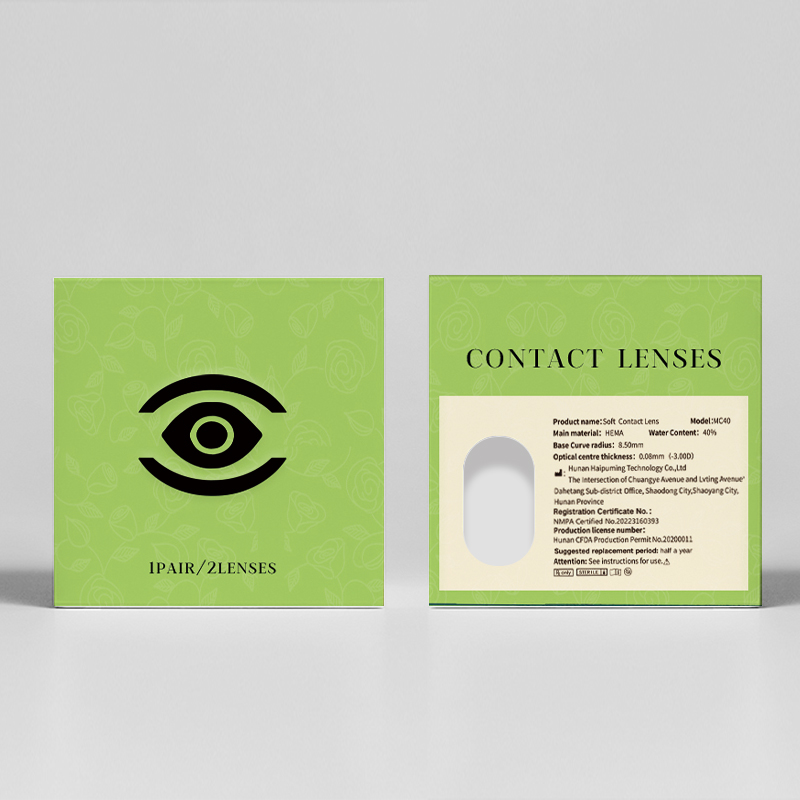
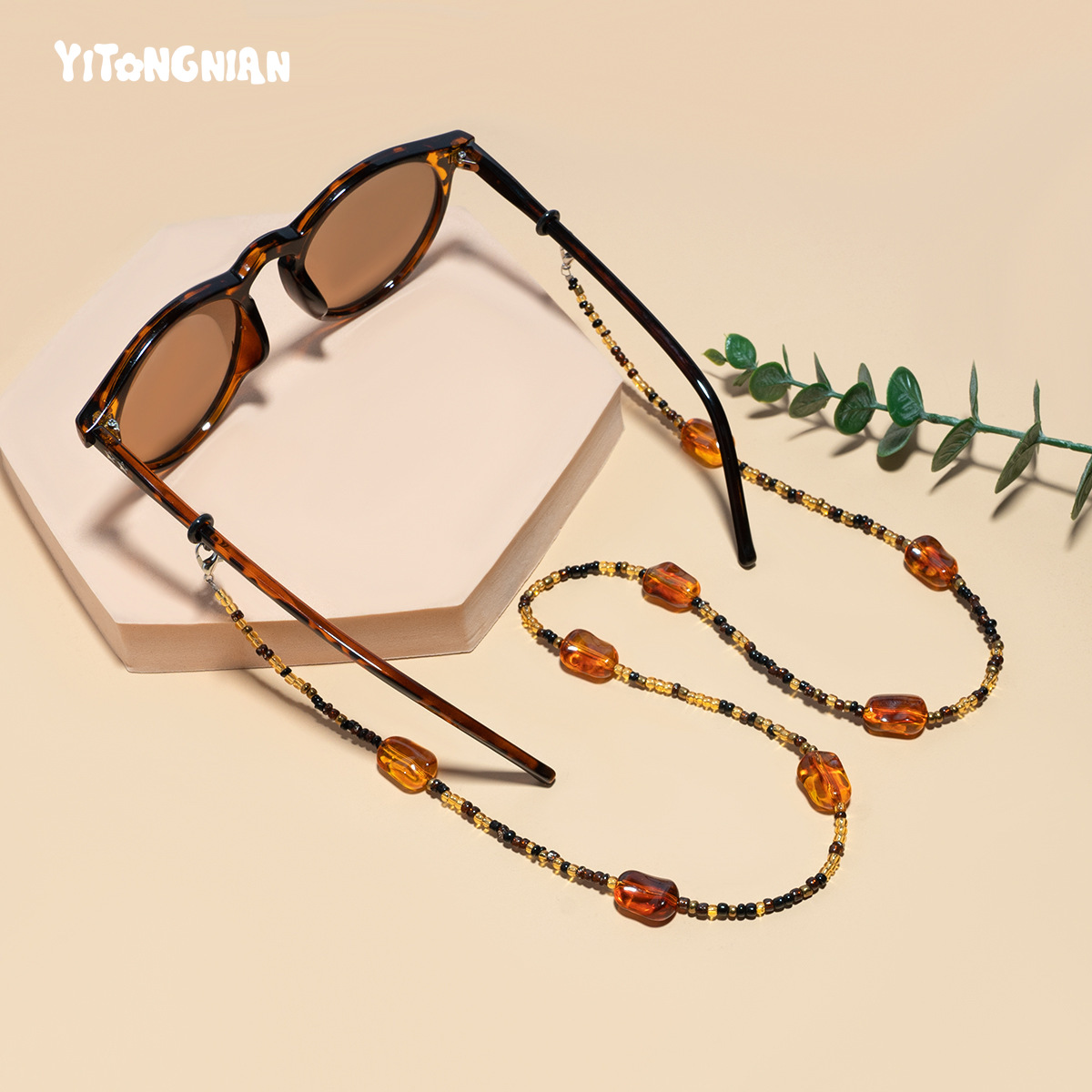
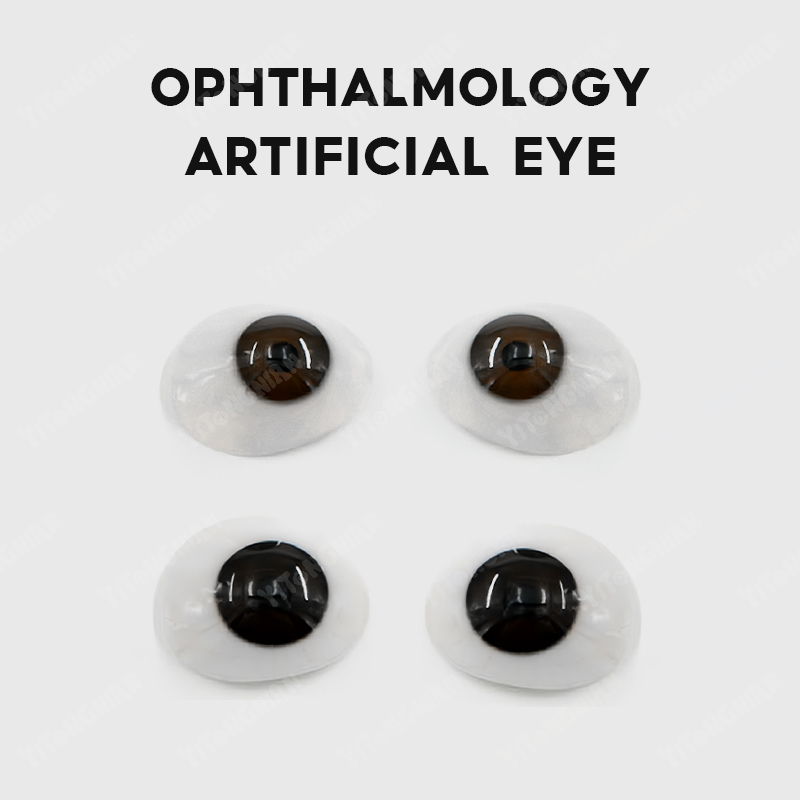
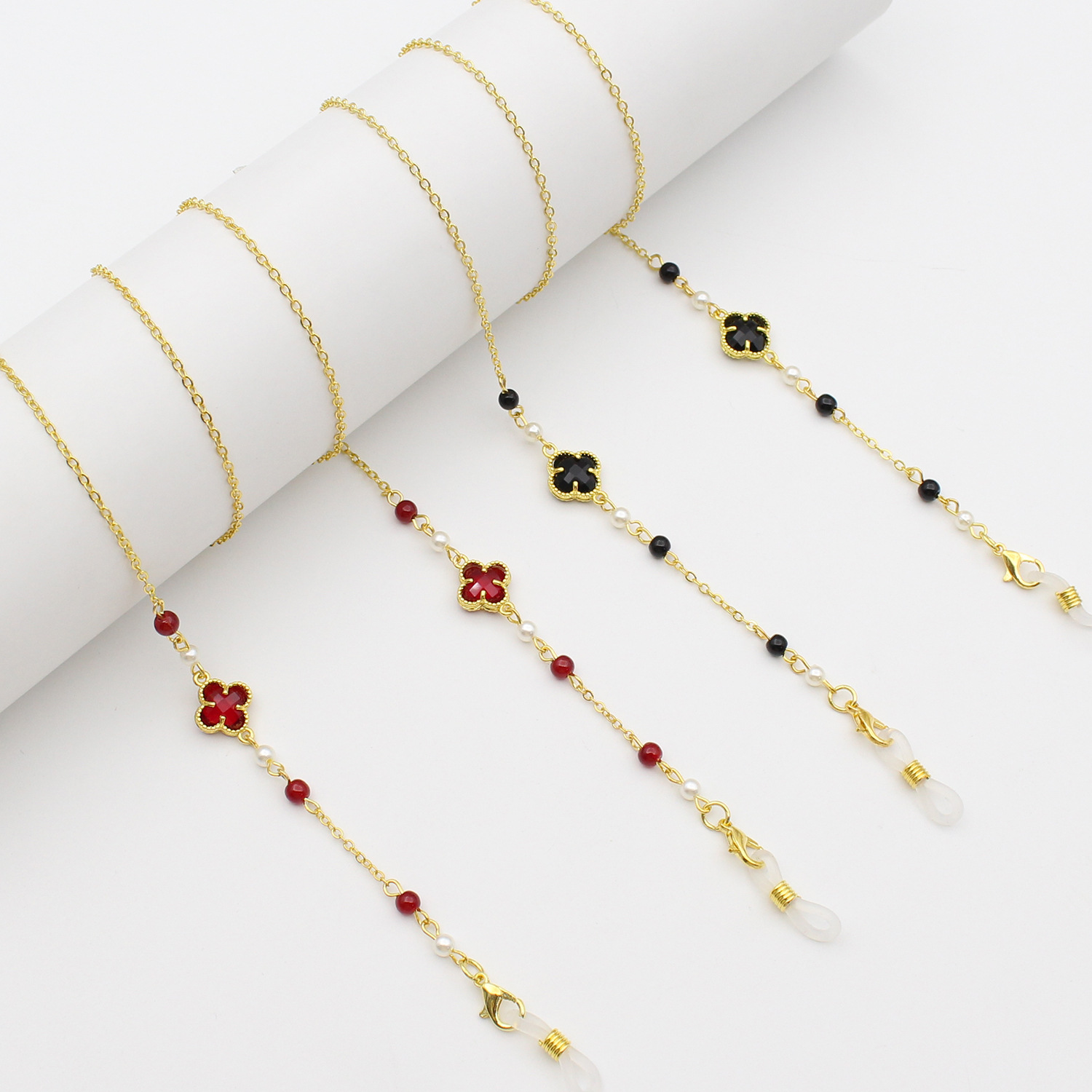
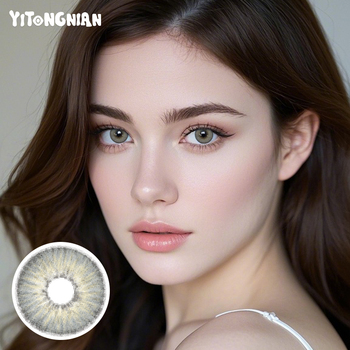
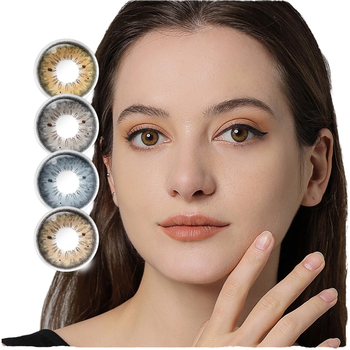
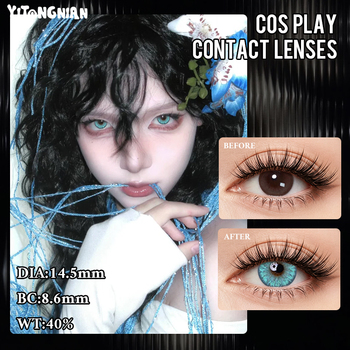
Explore our flagship OEM/ODM product lines and specialized display accessories engineered for international retail brands and optical buyers. Each item adheres to strict ISO medical manufacturing standards.
Technological Advances in Costume Contact Lens Manufacturing
Manufacturing high-opacity, vivid costume contact lenses requires a sophisticated balance between ocular safety, visual acuity, and vivid pigment expression. Unlike standard vision correction lenses, costume and cosplay lenses incorporate complex multi-layer opacity patterns designed to completely mask the wearer's natural iris structure.
1. Micro-Encapsulated Sandwich Printing Technology
The primary concern for regulatory agencies and consumers regarding costume contact lenses is pigment leaching. Leading Chinese exporters utilize advanced Sandwich Printing Technology (Double-Cladding Layering). In this process, bio-compatible color pigments are chemically locked between two sterile hydrogel polymer matrices (Poly-HEMA). The pigment layer never directly touches the corneal epithelium or conjunctiva, eliminating risks of chemical irritation, pigment wear, or corneal abrasion.
2. High-Precision Automated Cast-Molding vs. Lathe Cutting
Modern Chinese contact lens facilities have transitioned from legacy lathe-cutting methods to fully automated, cleanroom-enclosed double-sided cast-molding systems. Cast-molding delivers smooth, repeatable edge geometry (essential for reducing lens awareness and foreign body sensation), precise base curve consistency (BC 8.5mm–8.6mm), and exact central thickness control (0.08mm). This automation guarantees batch-to-batch uniformity across multi-thousand unit orders.
3. Oxygen Transmissibility (Dk/t) & Material Innovation
Historical costume lenses suffered from poor oxygen permeability due to heavy pigment density. Modern Chinese OEMs overcome this limitation through formula modifications in HEMA hydrogel polymer mixes and the introduction of advanced Silicone Hydrogel (Si-Hy) matrix compositions. By incorporating fluoro-silicone monomers, oxygen transmissibility (Dk/t values) is dramatically increased, permitting safe wear durations of 8 to 12 consecutive hours during extended theatrical performances or anime conventions.
| Technical Parameter | Standard Hydrogel Series | Premium Silicone Hydrogel Series | Special FX & Sclera Series |
|---|---|---|---|
| Base Polymer | Poly-HEMA (2-Hydroxyethyl Methacrylate) | Silicone-Hydrogel Fluoro-Monomer | Modified Hydrogel Matrix |
| Water Content | 38% – 40% | 42% – 45% | 38% – 40% |
| Base Curve (BC) | 8.5 mm – 8.6 mm | 8.6 mm | 8.6 mm – 8.8 mm |
| Diameter (DIA) | 14.0 mm / 14.2 mm / 14.5 mm | 14.2 mm / 14.5 mm | 14.5 mm – 22.0 mm (Sclera) |
| Center Thickness (CT) | 0.08 mm (±0.01 mm) | 0.07 mm (±0.01 mm) | 0.09 mm – 0.12 mm |
| Optic Zone Diameter | 5.5 mm – 6.0 mm (Clear Vision Zone) | 5.8 mm – 6.2 mm | 4.5 mm – 5.5 mm |
| Sterilization Method | Autoclave Steam Sterilization (121°C) | Autoclave Steam Sterilization (121°C) | Autoclave Steam Sterilization (121°C) |
Future Procurement & Strategic Sourcing Trends (2025–2030)
To maintain market competitiveness, B2B buyers must anticipate consumer shifts and technical innovations within the cosmetic lens landscape. Key macroeconomic and technical trends shaping future procurement strategies include:
1. Expansion of Prescriptive Costume Lenses
Historically, costume contact lenses were produced primarily in Plano (0.00 diopter) variants. However, intent mining reveals a massive uptick in searches for prescriptive cosplay lenses (ranging from -1.00 to -8.00 D). Modern consumers who require vision correction refuse to compromise by wearing glasses over theatrical makeup. Chinese manufacturers are expanding SKU availability to offer full diopter power coverage for popular costume patterns without increasing baseline MOQs.
2. Complete Turnkey Private-Label Bundles
Top-tier exporters are pivoting from simple lens supplying to offering turnkey visual branding ecosystems. Overseas buyers increasingly procure consolidated packages comprising custom-branded blister foils, eco-friendly paper gift boxes, slide-out PVC drawer packaging, branded storage case kits, and acrylic counter display stands under a single bill of lading.
3. Adoption of Eco-Friendly Packaging & Bio-Hydrogel Materials
Environmental regulations across the EU and North America are pushing brands toward sustainable packaging solutions. Forward-thinking Chinese factories are replacing traditional plastic outer packaging with FSC-certified paper, biodegradable bio-plastic lens cases, and minimal-foil aluminum blister lids to reduce the carbon footprint of optical retail chains.
4. Niche Aesthetic Specialization (Anime, UV-Reactive & Photochromic)
Standard three-tone natural colors are now baseline items. High-growth procurement segments focus on hyper-niche aesthetic designs: photorealistic anime pupil reflections, UV-blacklight reactive reactive inks for nightlife events, photochromic responsive pigments, and cat-eye vertical slit optics. Manufacturers capable of maintaining precise pattern alignment during mold filling hold a decisive competitive advantage.
Enterprise Advantage & Manufacturing Capability
Partnering with an established, audited manufacturer is critical to ensuring smooth customs clearance, product safety, and reliable order fulfillment. Operating under strict global quality protocols, our enterprise infrastructure includes:
Full-Spectrum OEM & ODM Customization Process
Whether you are launching a startup boutique contact lens brand or managing inventory for a multinational chain, our streamlined six-stage manufacturing workflow guarantees precision from concept to delivery:
- B2B Technical Consultation: Defining target markets, power distributions, packaging specifications, and regulatory documentation requirements.
- Pattern & Artwork Development: In-house graphic designers assist in developing custom iris patterns, vector artwork for boxes, blister foil logos, and POS display stands at no extra cost.
- Prototyping & On-Eye Sampling: Rapid production of physical sample lots for on-eye photography color validation, comfort testing, and packaging fitment review.
- Cleanroom Precision Production: Automated cast-molding, sandwich pigment injection, saline hydration, and 100% Automated Optical Inspection (AOI) to detect surface defects or print misalignment.
- Terminal Sterilization & QC Testing: High-pressure steam autoclaving at 121°C, accompanied by rigorous microbial limit, cytotoxicity, bio-burden, and physical parameter verification testing.
- Consolidated Global Logistics: Secure ocean, air, or express courier shipping with door-to-door tracking and complete customs documentation (Certificate of Analysis, CFS, Packing List).
International Regulatory Compliance & Quality Assurance
Contact lenses are classified as Class IIa or Class IIb medical devices globally. Importing uncertified optical products poses severe legal, financial, and reputational risks. Reliable Chinese exporters operate with comprehensive quality management systems (QMS) compliant with international regulatory bodies:
ISO 13485:2016 Certified
Ensures every phase of manufacturing—from raw polymer material sourcing to final blister sealing—meets global medical device quality standards.
CE Mark & MDD Compliance
Products carry CE documentation under Medical Device Directives, enabling seamless entry into European Union Member States and surrounding markets.
SGS Onsite Verified Facility
Production facilities, staff headcount, warehouse capacity, and operational legitimacy are independently audited and verified on-site by SGS Group.
Comprehensive B2B Procurement FAQ
Find authoritative answers to common commercial, technical, and regulatory questions asked by international buyers before placing wholesale or OEM contact lens orders.
What is the minimum order quantity (MOQ) for wholesale and custom OEM orders?
What polymer materials and optical parameters are available?
Are costume contact lenses available in prescription (myopia) powers?
How is pigment safety guaranteed in costume and cosplay lenses?
What documentation is provided to support importer local medical registration?
What are the standard production and shipping lead times?
Partner with China's Premier Costume Contact Lens Manufacturer
Take advantage of low MOQs, factory-direct OEM pricing, and complete regulatory support. Connect with our engineering and sales team today to request product catalogs, free physical samples, or a custom private-label quotation.