Ophthalmic Optical Collections & High-Demand SKUs
Direct factory production lines covering natural cosmetic tints, medical-grade vision correction, specialty effects, and certified turnkey packaging systems.
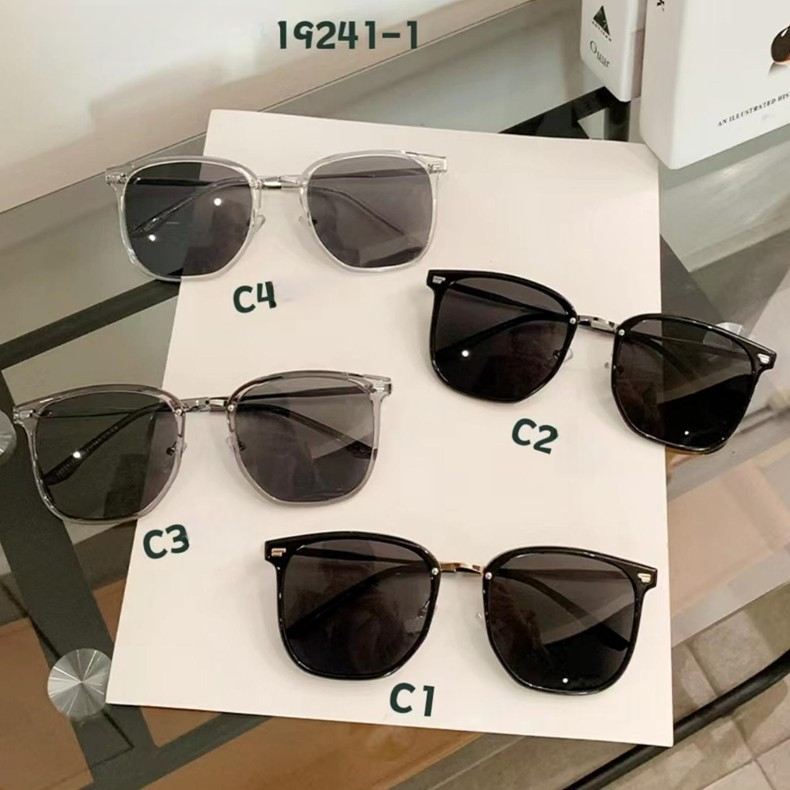 UV400 Polarized
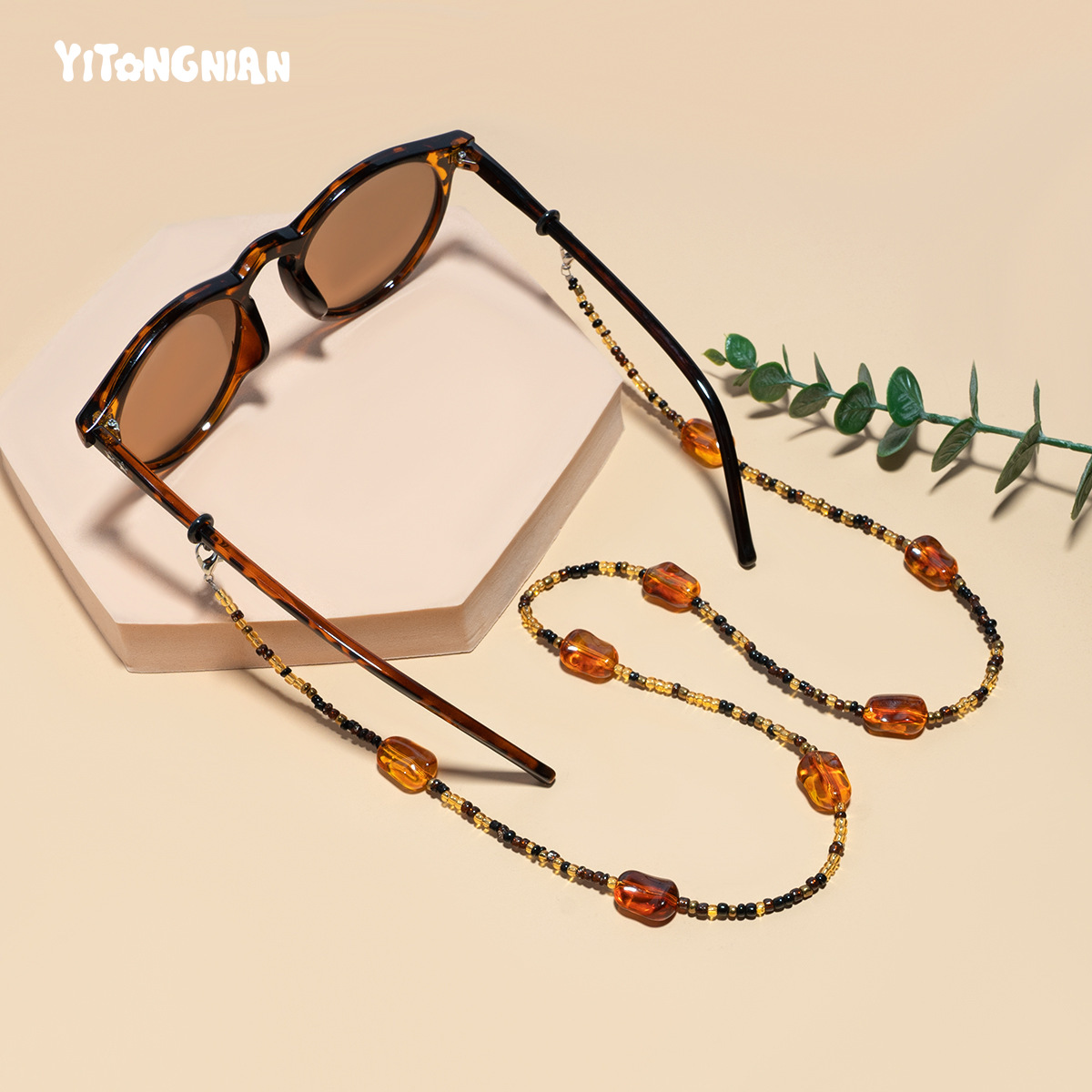 Handcrafted
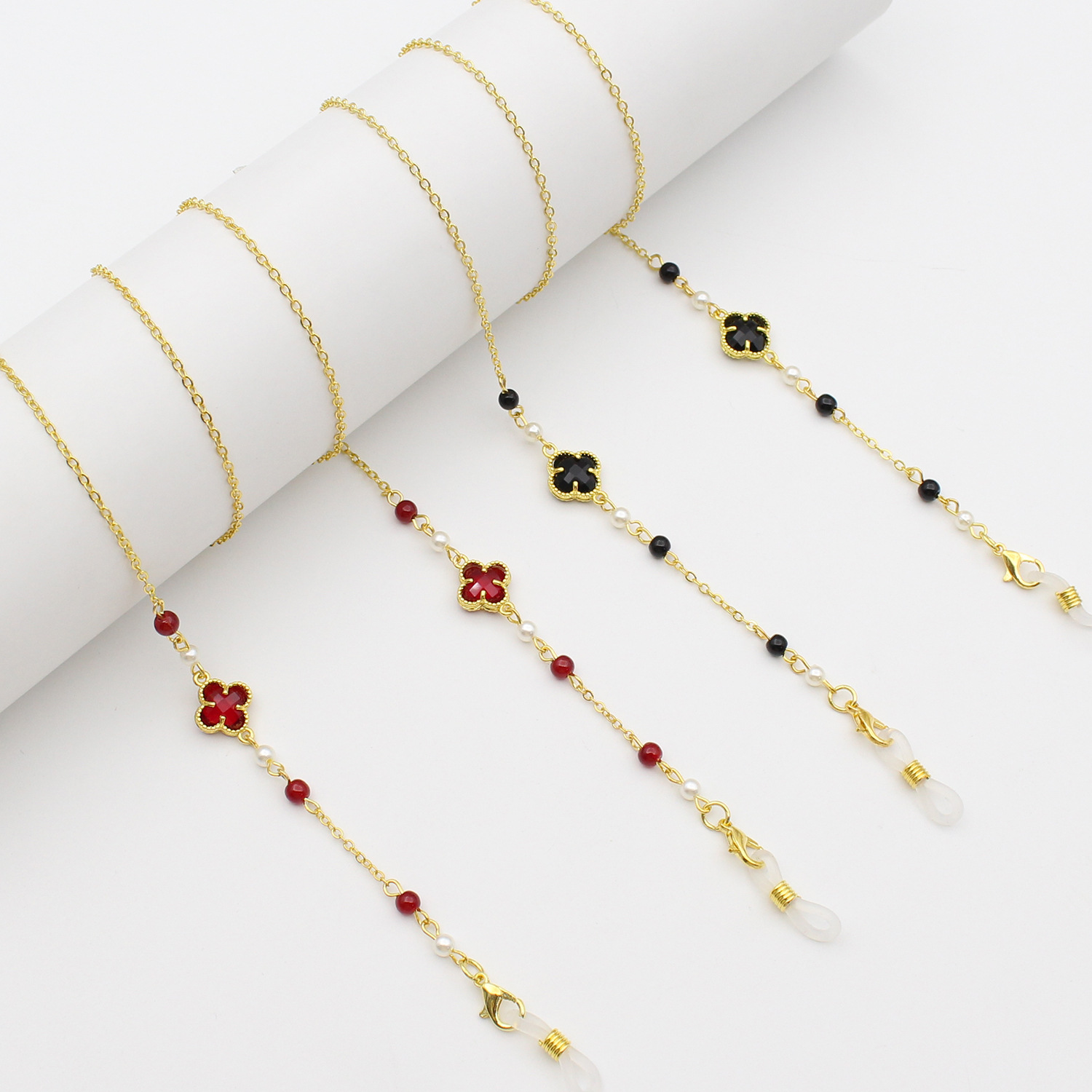 Dual Function
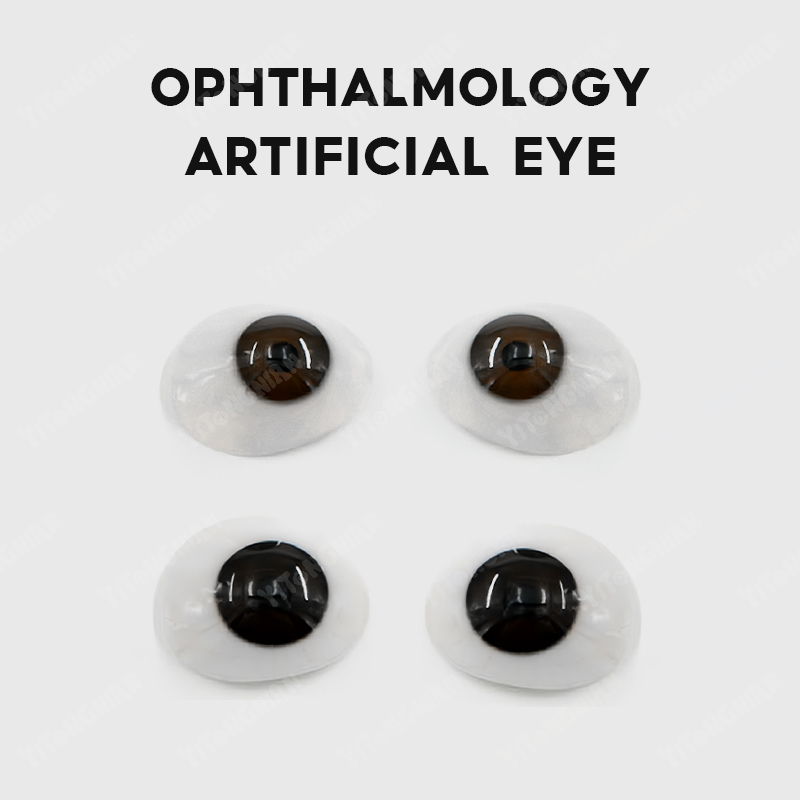 Retail Merchandising
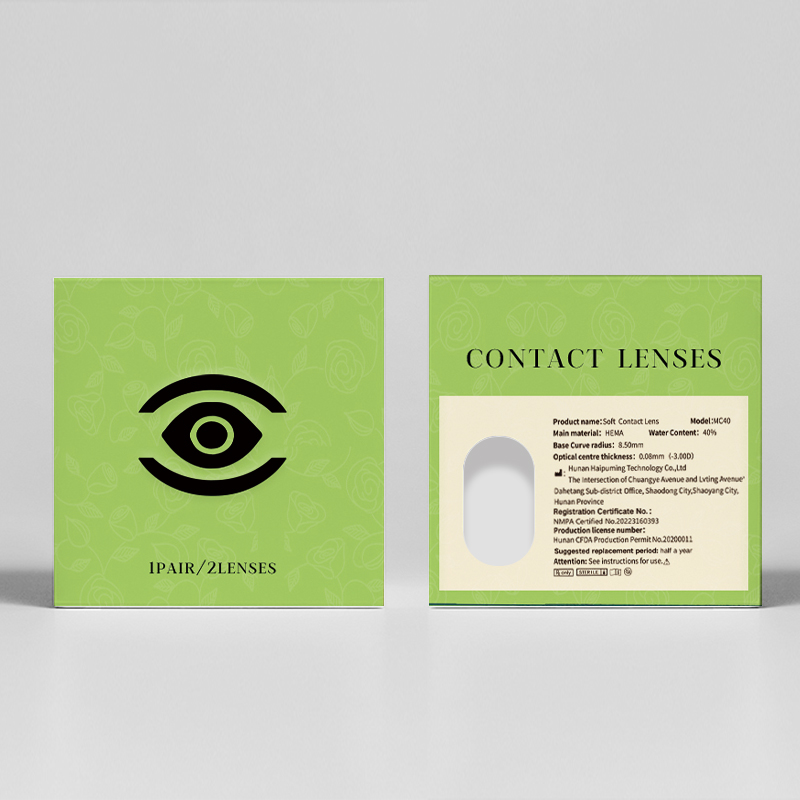 Custom OEM Box
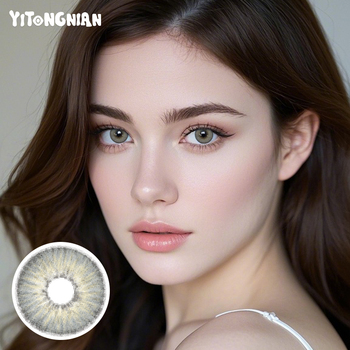
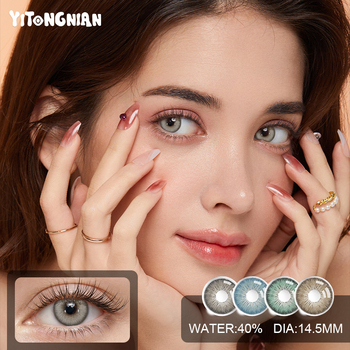 Extended Wear
The Ophthalmic Landscape: Why China Dominates Precision Contact Lens Manufacturing
The global cosmetic and corrective contact lens sector is witnessing an unprecedented transition from standard optical necessity to an essential category within high-end personal beauty and medical fashion. As international buyers navigate tighter regulatory constraints under the European Medical Device Regulation (EU MDR 2017/745) and the United States FDA 510(k) Premarket Notification framework, sourcing decisions have shifted from cost-centric bargaining to institutional reliability, material biocompatibility, and batch-to-batch manufacturing repeatability.
As a premiere OEM/ODM partner established in 2019, Colorlenshub Technology Co., Ltd. (Colorlens Hub) operates at the convergence of advanced ophthalmic polymer chemistry and automated cast-molding engineering. Operating within audited, dust-free ISO Class 7 cleanroom suites, our manufacturing ecosystem provides high-volume, defect-free production runs backed by strict double-layer quality audits inspected on-site by the SGS Group. With comprehensive regulatory documentation (including MDD certificates, CE conformity declarations, and ISO 13485:2016 audited quality systems), our facility provides institutional buyers with low-risk, scalable procurement channels.
| Evaluation Parameter | HEMA Hydrogel Standard Series | High-Oxygen Silicone Hydrogel (Si-Hy) | Rigid / Specialty Custom Lenses |
|---|---|---|---|
| Base Polymer Matrix | 2-HEMA + MAA + NVP Copolymer | Fluoro-Silicone Macromer + HEMA | Fluorosilicone Acrylate |
| Oxygen Permeability (Dk/t) | 18 – 24 × 10⁻⁹ (cm/s)[ml O₂/(ml · mmHg)] | 85 – 110 × 10⁻⁹ (cm/s)[ml O₂/(ml · mmHg)] | 45 – 100 × 10⁻⁹ (cm/s)[ml O₂/(ml · mmHg)] |
| Equilibrium Water Content | 38% – 42% (Optimal tear retention) | 45% – 55% (High equilibrium hydration) | Less than 1.5% |
| Pigment Isolation Architecture | Micro-encapsulated Sandwich Lathe/Cast | Triple-Layer Cast Molecular Lock | Direct Core Tint Bonding |
| Clinical Intended Wear Life | Monthly to Annual Replacement | Daily Disposable / Monthly Disposable | Rigid Annual Corrective |
| Regulatory Approval Tier | Medical Device Class IIa (EU) / Class II | Medical Device Class IIb (EU) / Class II | Class II / Class III (Medical Custom) |
Our industrial engineering philosophy eliminates the historic trade-off between vivid aesthetic color saturation and ocular physiological safety. By standardizing our entire color lens line on sandwich micro-encapsulation technology, our lenses guarantee that cosmetic colorants never contact corneal epithelial tissue or the inner palpebral conjunctiva, preventing pigment leaching, mechanical irritation, and hypoxia-driven neovascularization.
Institutional Advantages of Sourcing with Colorlens Hub
From raw monomer synthesis to sterile blister thermal sealing and custom luxury packaging, explore our audited manufacturing strengths.
SGS Onsite Audited Facility
Verified operational footprint with 43 full-time technical specialists, certified cleanroom manufacturing conditions, and documented batch traceability from raw polymer to finished blister pack.
Sandwich Pigment Lock
Biocompatible micro-encapsulation prevents dye leaching. The color matrix is embedded within hydrogel layers, ensuring zero direct corneal exposure and preserving ocular wettability.
Turnkey Private Labeling
One-stop execution: custom blister foils, CE/FDA compliant barcode labeling, folding paper boxes, luxury PVC drawer units, and store display fixtures engineered for international retail.
Rapid Micro-Batch Agility
Mitigate inventory risk with low minimum order quantities starting from 10 pairs for ready-to-ship stock designs, paired with custom OEM branding scalable to hundreds of thousands of units.
Technology Trends: The Next Wave of Ophthalmic Polymer Engineering
The colored contact lens industry is entering an era characterized by advanced chemical synthesis, bio-mimetic iris imaging, and ocular surface health optimization. Brand managers and medical buyers must align their product roadmaps with several defining technical shifts:
Hydrophilic Wetting Agents
Internalizing sodium hyaluronate (HA) and 2-methacryloyloxyethyl phosphorylcholine (MPC) directly into the polymer network creates an enduring hydration envelope, reducing tear evaporation and contact friction during screen use.
Sub-Micron Iris Rastering
High-resolution dot matrices utilizing computerized photolithography deliver three-dimensional iris depth. Blending subtle limbal rings with radial flecks yields natural aesthetics even under direct sunlight and high-definition photography.
Cast-Molding Automation
Replacing manual lathe cutting with ultra-precise optical cast-molding ensures sub-micron edge tapering. The resulting uniform rounded edges promote tear exchange beneath the lens while avoiding mechanical conjunctival chafing.
Furthermore, the convergence of photochromic tinting and smart spectral filtering is moving from clear clinical lenses to cosmetic formats. By incorporating responsive photochromic dyes, new-generation colored contact lenses can subtly deepen in tone under high outdoor ultraviolet indices, providing simultaneous glare modulation, UV400 radiation shielding, and dynamic aesthetic enhancement.
Strategic Procurement Trends: How Modern Eyewear Brands Scale Profitably
Global supply chain disruptions, changing consumer replacement habits, and stricter cross-border medical compliance are transforming B2B sourcing strategies. International distributors and brand owners must adapt their procurement methodologies to four structural trends:
1. Transition to Daily Disposables
While annual wear lenses remain popular in niche markets due to low per-day cost, tier-one brands are rapidly introducing 1-Day daily disposable colored lenses. Daily modalities eliminate compliance errors with cleaning solutions, drastically reducing microbial keratitis risks and maximizing lifetime customer replenishment value.
2. Stringent Regulatory Gatekeeping
Customs authorities in the European Union, the United States, and Latin America are strictly scrutinizing colored lenses as Class II/IIa medical devices. Sourcing from factories with valid ISO 13485 audits, technical documentation files (TDF), and recognized biocompatibility testing (ISO 10993) is essential to avoid border detentions.
3. Sustainable Secondary Packaging
Driven by corporate ESG commitments and EU packaging directives, brands are shifting from heavy non-recyclable plastics to FSC-certified unbleached folding cartons, biodegradable PVC-alternative slide drawers, and minimized polypropylene blister card footprints that reduce air freight weight.
4. SKU Rationalization via Fast Trials
Instead of committing capital to 50,000 units of an untested color shade, modern beauty e-commerce operators leverage Colorlens Hub's low in-stock MOQ of 10 pairs per design. This enables real-world A/B testing on social commerce channels before committing to high-volume automated production runs.
Savvy retail buyers are also co-sourcing complementary optical lifestyle accessories—such as polarized oversized driving frames, anti-slip acetate eyewear chains, and hygienic acrylic counter displays—under a consolidated supply agreement. Consolidating shipments lowers shipping costs per kilogram, streamlines customs clearance, and delivers a unified retail brand presentation across both offline optical dispensaries and online DTC stores.
Frequently Asked Technical & Procurement Questions
Clear, technically verified answers addressing compliance, manufacturing tolerances, custom packaging engineering, and international shipping protocols.
What is the minimum order quantity (MOQ) for wholesale and private label orders? +
Are colored contact lenses classified as medical devices or cosmetics? +
How does the Sandwich Printing Technology safeguard the corneal surface? +
What power ranges (diopters) are available for prescription colored contact lenses? +
What are the exact material parameters, base curve, and diameter options? +
Can Colorlens Hub engineer custom branded retail packaging and POS display fixtures? +
What sterilization protocols and shelf-life ratings apply to your packaged lenses? +
What logistics channels and temperature-control safeguards are employed during shipping? +
Can buyers request custom color patterns, limbal ring designs, or cosplay graphics? +
What commercial payment mechanisms and distributor protection terms are offered? +
Accelerate Your Brand's Optical Line with Verified Supply Quality
Consult directly with our ophthalmic specialists. Receive instant access to full specification sheets, regulatory compliance files, custom packaging dielines, and wholesale sample kits.