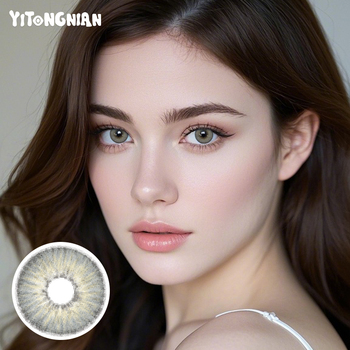
 Medical Device CE
Three-Tone Brown, Gray & Green Soft Cosmetic Contact Lenses
- 14.5 mm DIA
- 40% Water
- Cast Molding
Curated commercial SKUs tested across tier-one international retail channels, offering ISO 13485 manufacturing integrity, stable pigment locking, and high optical performance.
Medical Device CE
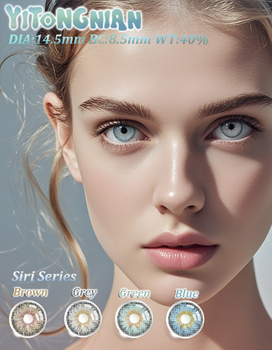 High Dk Silicone
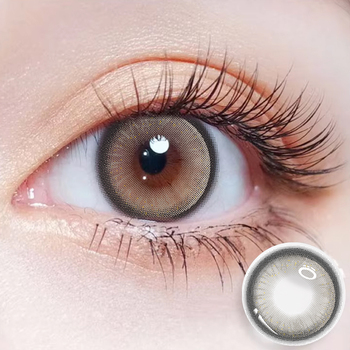 Plano & Myopia
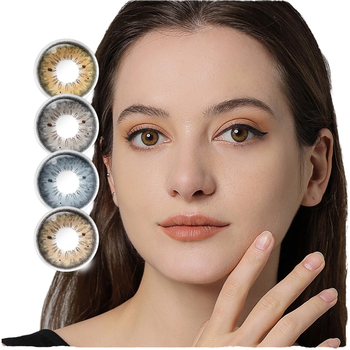 Cosplay / SFX
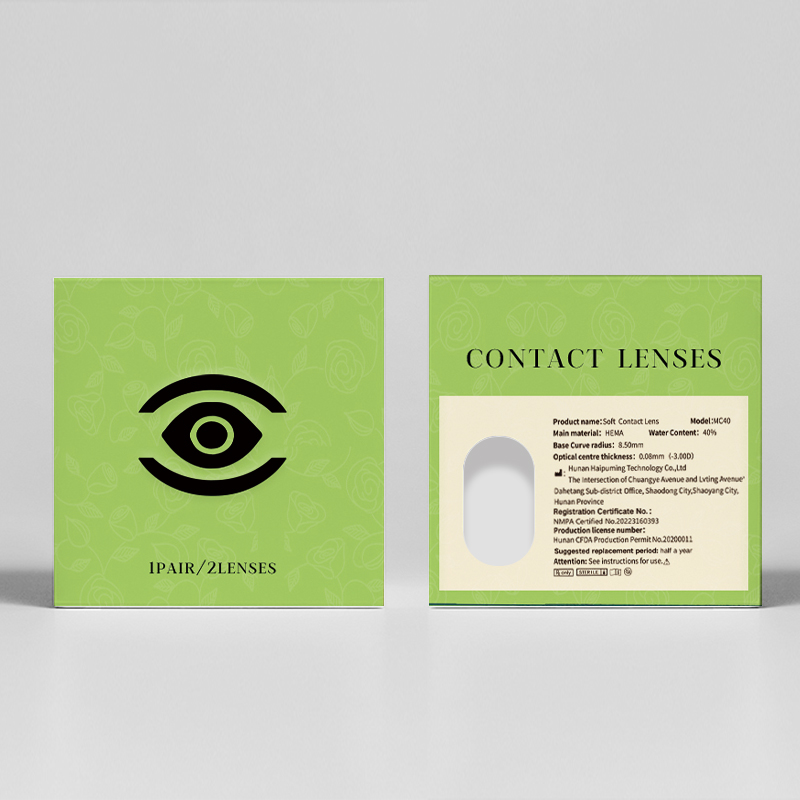 OEM Packaging
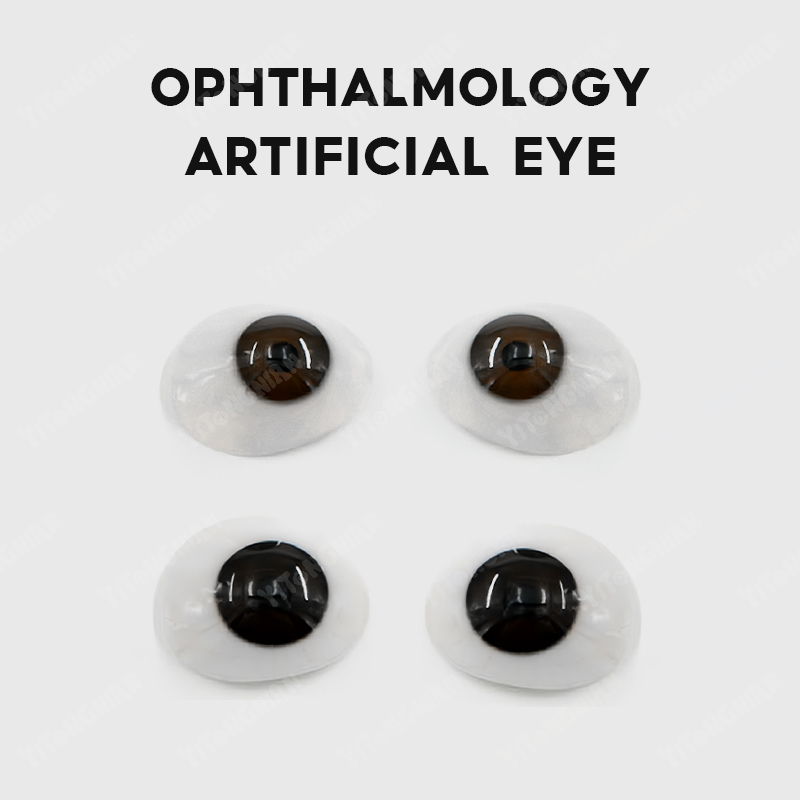 Retail Merchandising
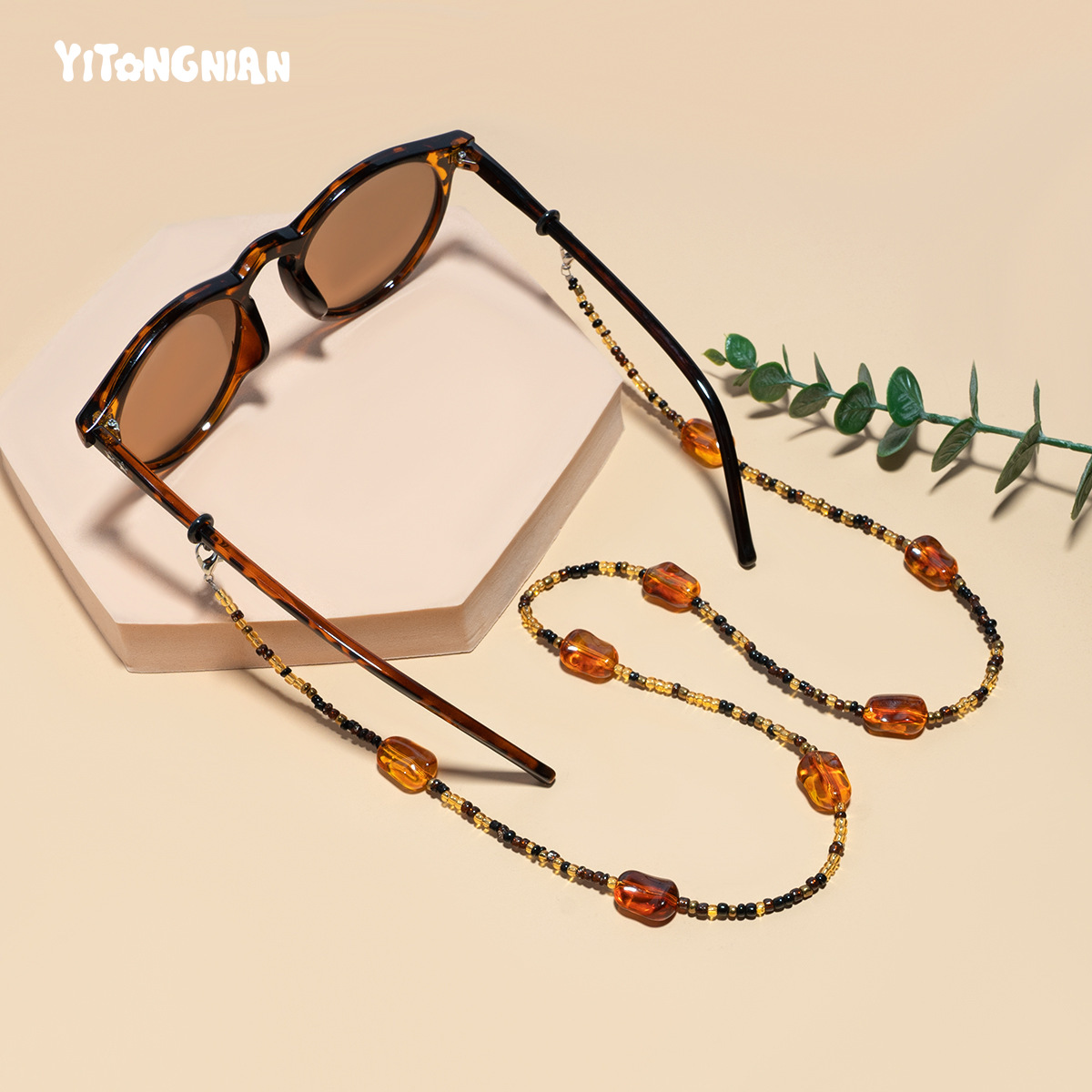 Boutique Accessory
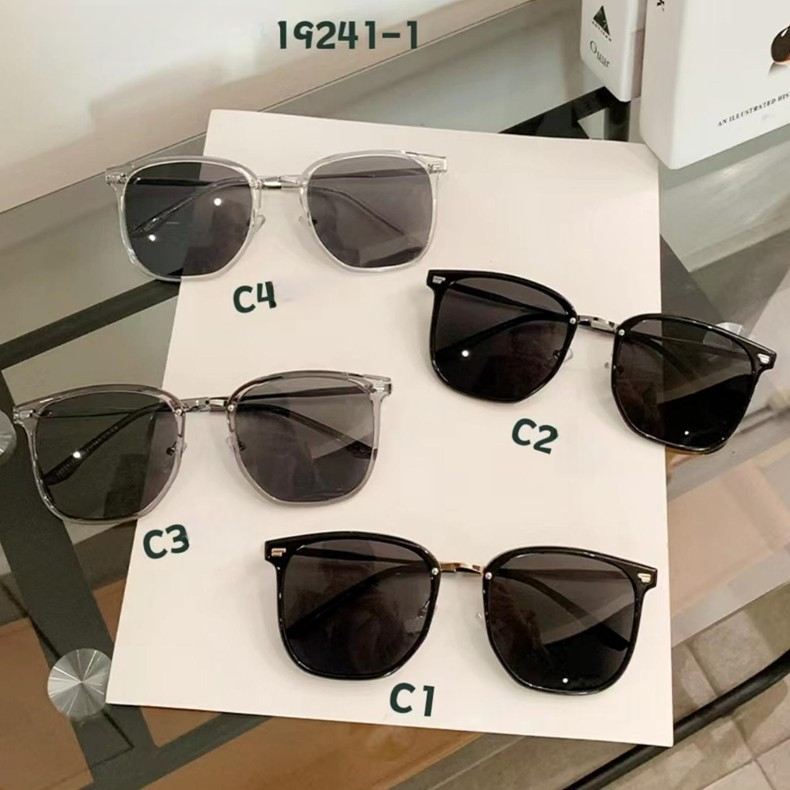 Optical UV400
Colorlenshub Technology Co., Ltd. brings transparency to contact lens manufacturing. Full trace-forward supply chain validation ensures zero compromises across biocompatibility, sterilization, and logistics.
The global market for cosmetic and corrective contact lenses is experiencing unprecedented modernization. As optical chains, fast-fashion beauty conglomerates, and cross-border DTC brands compete for customer loyalty, procurement strategies have moved away from pure price hunting toward an exacting evaluation of biomaterial safety, production automation, and regulatory agility. Sourcing managers now require contact lens manufacturers in China to operate not just as basic factories, but as collaborative medical technology partners capable of securing long-term compliance under evolving health oversight frameworks.
Cosmetic color contacts—regardless of whether they feature plano (0.00) optical power or corrective myopic powers—remain regulated as Class II or Class III medical devices across major international jurisdictions, including US FDA regulations and EU MDR guidelines. Sourcing uncertified lenses creates immediate risks of seizure at national borders, brand liability, and catastrophic product recalls.
A fundamental technical consideration during batch qualification is pigment encapsulation. Low-tier cosmetic lenses manufactured via outdated single-layer surface printing expose dry iris pigments directly to corneal epithelial cells and the delicate conjunctival tissue, leading to mechanical friction, staining risk, micro-abrasions, and severe ocular inflammation. Premium export-grade lenses manufactured by Colorlens Hub utilize a proprietary triple-layer "sandwich" entrapment process.
In this workflow, the reactive bio-compatible color pigment is micro-embedded securely between two thin layers of pure, hydrophilic HEMA polymer or silicone hydrogel. The optical color print never makes direct contact with ocular structures or inner eyelid tissue. Simultaneously, oxygen transport channels within the hydrogel matrix remain uninterrupted, preventing hypoxic stress, limbal redness, and optical haze during prolonged daily wear cycles.
When engineering a color lens product catalog for targeted customer demographics, brand directors must balance the distinctive fluid-mechanical profiles of 2-HEMA (Hydroxyethyl methacrylate) alongside modern silicone-hydrogel fluoropolymers:
Conventional HEMA Matrices (38% to 40% Water Content): Remains the industry standard for fast-moving cosmetic lenses. HEMA hydrogels exhibit exceptional wettability, superior dimensional stability against physical shearing, and remarkable tear-film compatibility. Because the water content is balanced near 40%, the lens avoids extracting moisture from the wearer's ocular surface, making it well-suited for arid retail regions and occasional cosplay environments.
Advanced Silicone Hydrogel Matrices: Represents the highest growth trajectory within premium prescriptive markets. By incorporating dedicated siloxane macromer pathways into the hydrogel structure, oxygen transmissibility (Dk/t) increases significantly over standard polymers. This provides extended corneal breathability, drastically reduces vascularization risks, and satisfies the demanding clinical benchmarks required by licensed optometrists and high-end optical practices.
Forward-thinking supply chain directors must adapt to three structural developments driving international B2B color contact orders through 2026 and beyond.
While yearly and monthly replacement schedules still maintain stable market share in lower-margin segments, consumer demand is moving decisively toward single-use daily disposables. Daily packaging reduces infection vectors, eliminates lens cleaning solutions, and provides continuous, predictable re-order cash flow for e-commerce brands.
Modern consumers rarely buy standalone lens blisters. Winning beauty brands offer complete kits containing custom sliding presentation boxes, travel storage cases, companion solution bottles, and retail display pedestals. Consolidating all accessory components with one audited manufacturer reduces freight overhead by up to 35%.
In response to tighter border enforcement, brand builders avoid unverified intermediaries. Procurement teams prefer audited suppliers who support agile small-batch production runs (from 10 pairs per design) while offering authentic batch release testing, full blister sterilization lot tracking, and technical files ready for regional licensing.
Essential operational and compliance clarifications to streamline your supply chain decisions.
Consult with our engineering and export specialists today. We provide free design proofs, regulatory documentation packets, and tailored quotations for private label programs.