Engineered Optical Formulations & Merchandising Hardware
Explore our production-ready contact lenses, custom turnkey packaging architectures, and retail visual display systems tailored for worldwide brands.
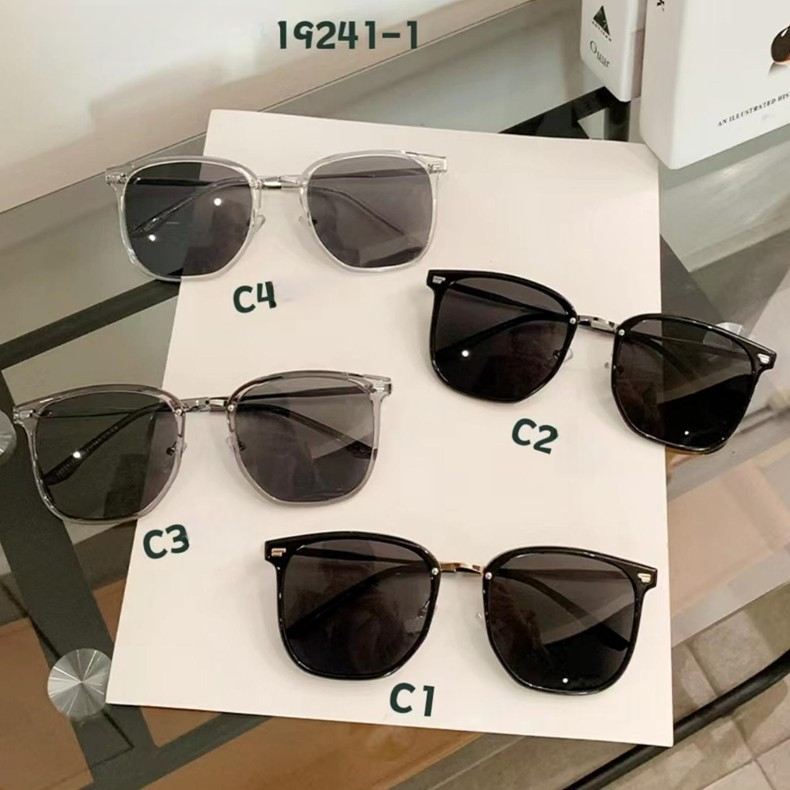
Large Frame Polarized Eyewear (UV400)
High-grade anti-ultraviolet street style frames featuring slimming ergonomic geometry and enhanced glare mitigation.
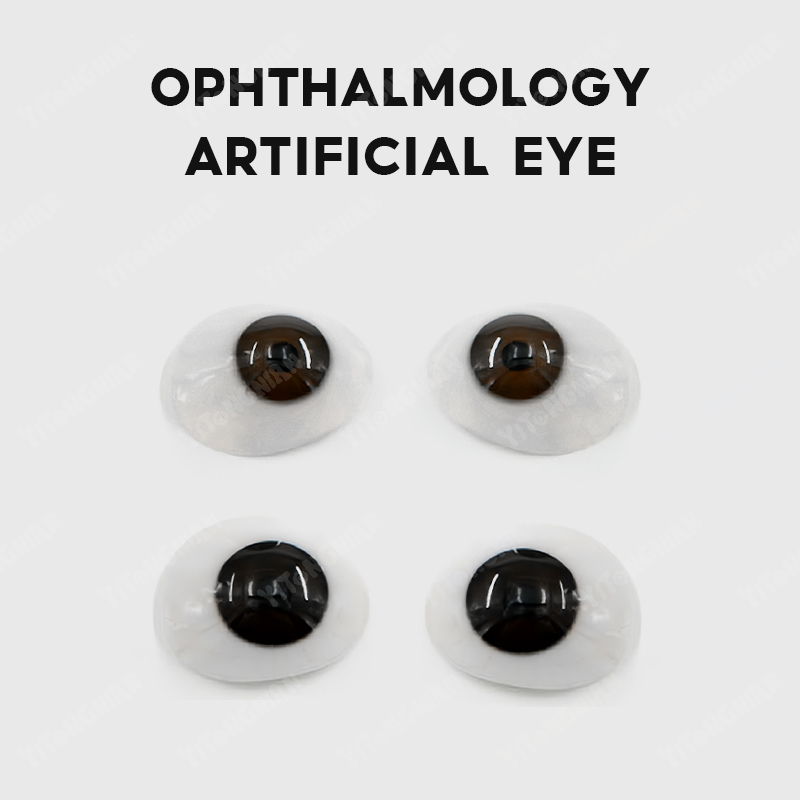
Acrylic Eco-Friendly Lens Display Stand
High-clarity medical acrylic eye contact lens counter stand engineered for showroom merchandising and retail point-of-sale display.
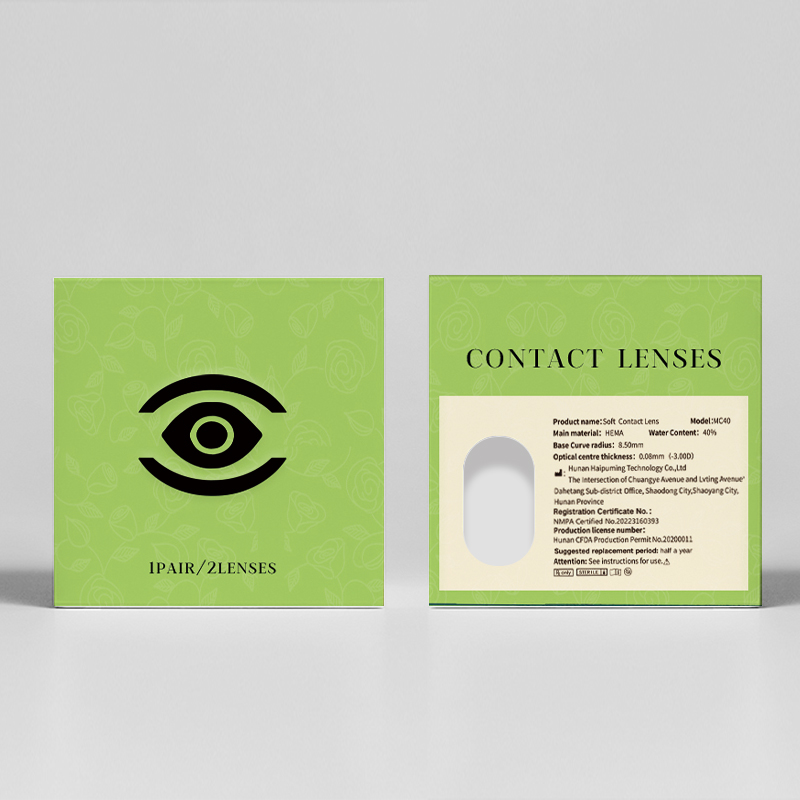
Custom PVC Rigid Drawer Packaging Box
Structural presentation gift packaging for premium contact lenses, cosmetic vials, and accompanying ophthalmic accessories.
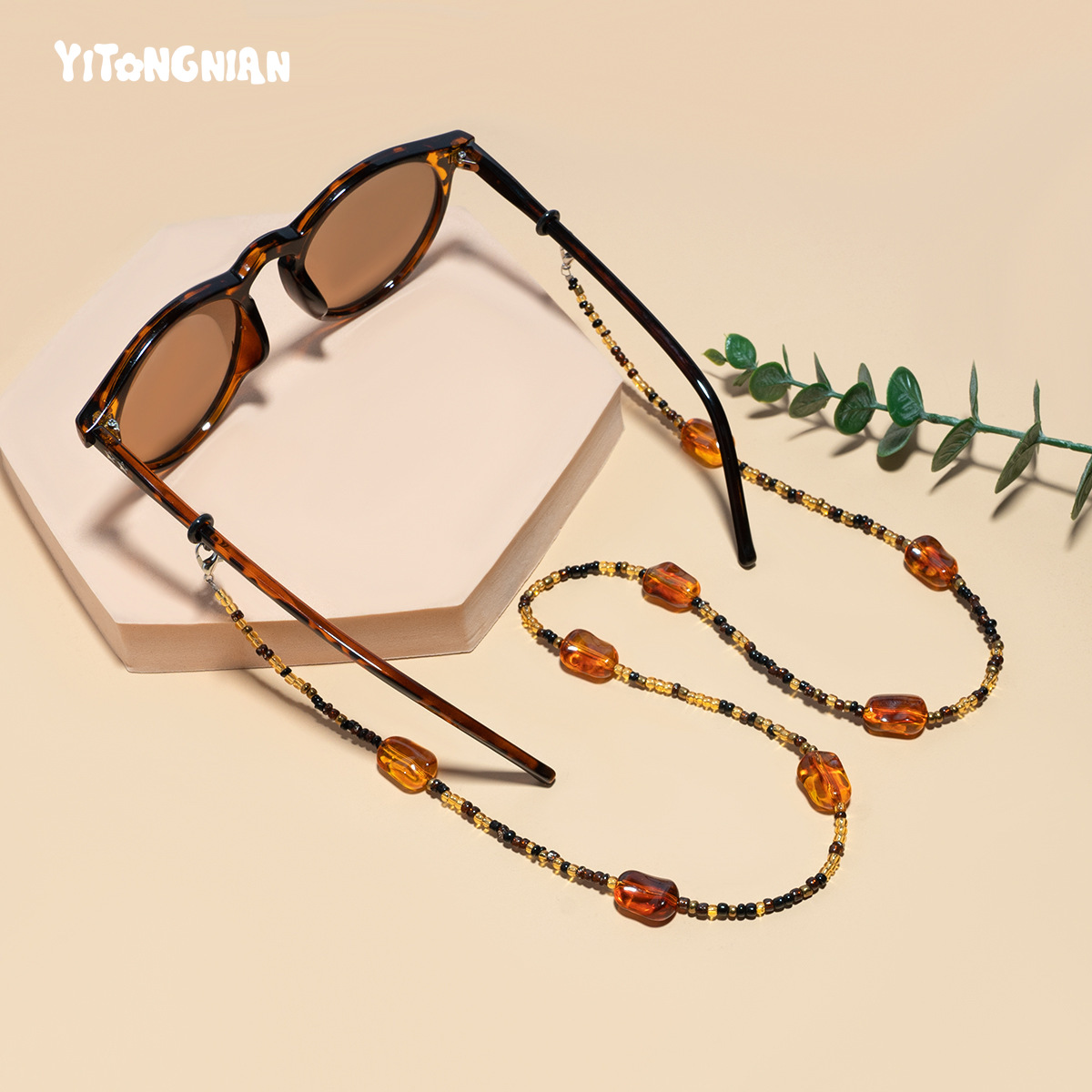
Tortoiseshell Anti-Slip Eyewear Retainer
Light-luxury tortoiseshell patterned retention chain, featuring non-slip attachments for reading glasses and designer shades.
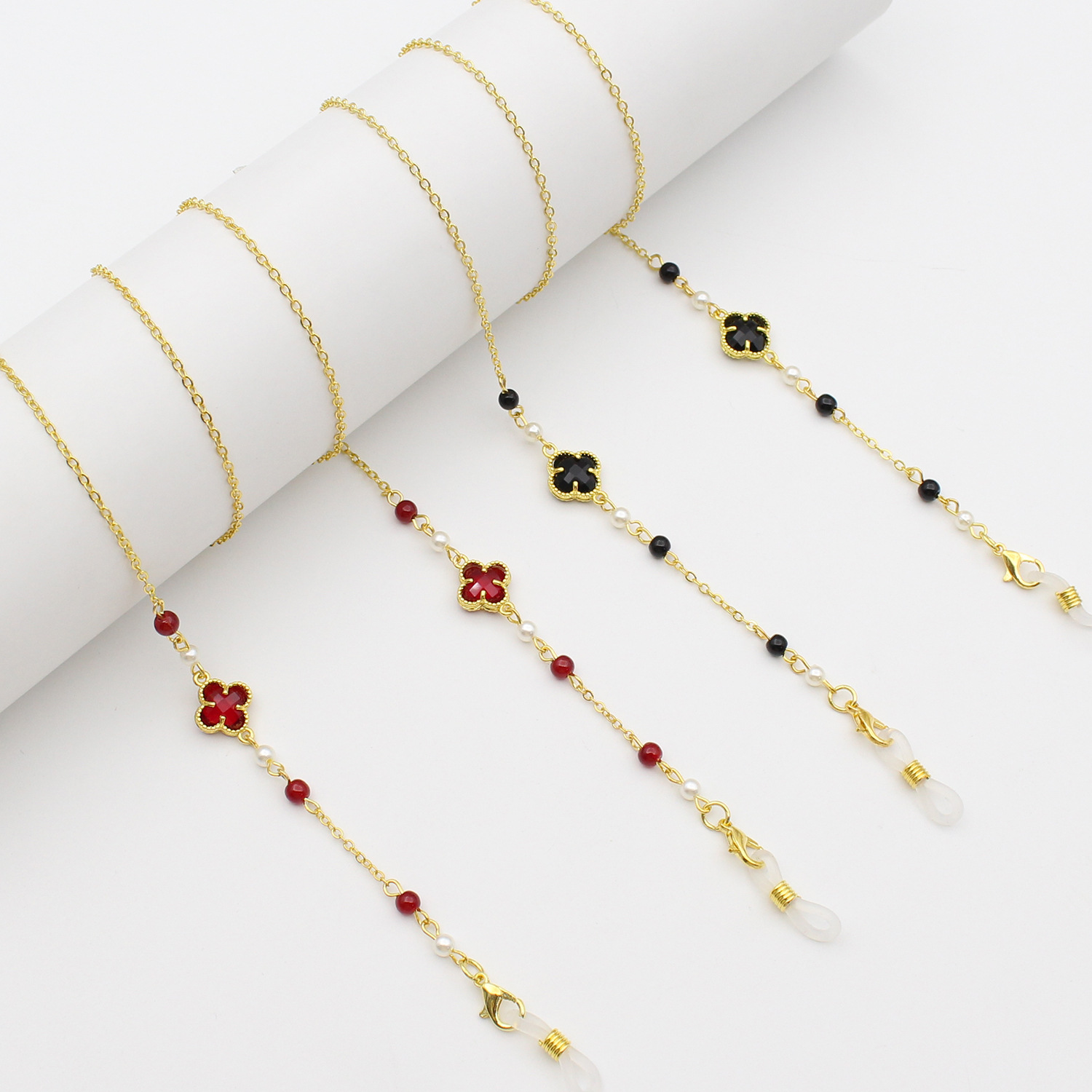
2-in-1 Four-Leaf Clover Eyewear Chain
Multi-functional eyewear retention necklace ornamented with crystal petal charms, doubling as a high-fashion accessory.
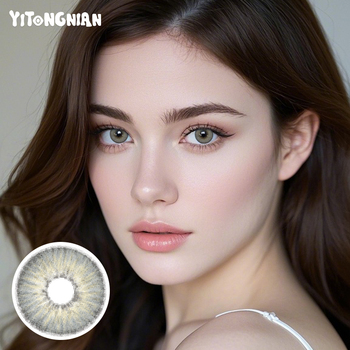
Three-Tone Hydrogel Color Contact Lenses
Precision dot-matrix pigmentation embedded internally between HEMA layers to prevent pigment-epithelial contact entirely.
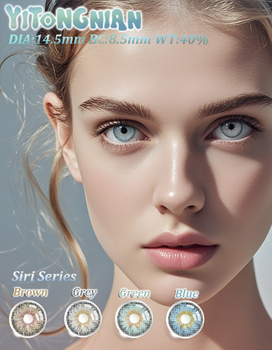
High-Dk Silicone Hydrogel Aesthetic Lenses
Next-generation organosilicon polymer matrices balancing high transmissibility, cellular biocompatibility, and non-migrating dyes.
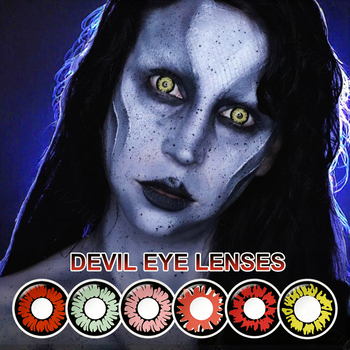
Cosplay FX & Sclera Private Formulation
High-pigment, theatrical, and refractive correction lenses with tailored graphic diameters built to buyer CAD blueprints.
Engineering Excellence: The Blueprint of Modern Contact Lens Manufacturing in China
The global contact lens market is undergoing an unprecedented paradigm shift. Driven by algorithmic social commerce, heightened demand for mixed-race iris customization, and the merging of refractive corrective optics with aesthetic lifestyle goods, global B2B procurement professionals must navigate an increasingly complex supply chain. Sourcing from a top Chinese contact lens manufacturer is no longer merely a low-cost play; it is an imperative based on precision polymer chemistry, automated cleanroom scaling, and rapid regulatory documentation.
Modern ophthalmic manufacturing relies fundamentally on controlled cross-linking between poly-hydroxyethyl methacrylate (pHEMA) and hydrophilic co-monomers, or advanced organosilicon macromers. In our verified production facilities, Cast Molding Technology (CMT) has largely superseded vintage spin-cast methodologies. By injecting liquid polymer into single-use precision optical molds followed by UV or thermal-induced free-radical polymerization, our production lines achieve repeatable dimensional stability within sub-micron tolerances, maintaining edge contours engineered explicitly to minimize conjunctival friction.
Micro-Encapsulation & "Sandwich" Color Printing Technology
For cosmetic and decorative contact lenses, bio-safety centers around dye containment. Substandard manufacturers apply color pigments via superficial pad-printing on the concave or convex surface of the hydrated lens. This poses an unacceptable risk: mechanical abrasive interaction between the polymer dyes and the wearer's delicate corneal epithelium can result in corneal staining, micro-ulcerations, or severe toxic allergic keratitis.
Our factory utilizes advanced multi-layer Sandwich Dot-Matrix Encapsulation. During the mold polymerization phase, cosmetic pigments (iron oxides, titanium dioxides, phthalocyanine greens) are locked inside the core hydrogel substrate. A non-pigmented polymer barrier measuring approximately 10 to 15 microns envelopes the pigmentation layer completely. As verified by optical coherence tomography (OCT) and cross-sectional electron microscopy, the lens surface presented to both the cornea and the eyelid remains 100% smooth, pure, and devoid of tactile pigment extrusion.
| Polymer Parameter | Standard Hydrogel (pHEMA) | Advanced Silicone Hydrogel (Si-Hy) | Procurement Implication |
|---|---|---|---|
| Oxygen Permeability (Dk) | 8.5 – 12 Fatt units | 60 – 100+ Fatt units | Si-Hy mitigates corneal hypoxia for long-hour wear. |
| Hydration / Water Content | 38% – 42% | 33% – 48% | pHEMA provides initial plush comfort; Si-Hy maintains wettability. |
| Modulus of Elasticity | 0.3 – 0.5 MPa | 0.6 – 0.9 MPa | Higher modulus in Si-Hy eases patient handling and insertion. |
| Center Thickness (CT) | 0.07 – 0.09 mm | 0.08 mm | Sub-0.08mm profiles optimize Dk/t transmissibility. |
| Graphic Diameter (GDIA) | 12.8 mm – 13.8 mm | 13.0 mm – 14.2 mm | Dictates realistic iris magnification vs anime effect. |
Future Sourcing Trends in the Contact Lens Industry (2025–2030)
Purchasing directors, optometry clinic groups, and indie cosmetic founders must anticipate several disruptive commercial and technical trends over the coming half-decade:
1. Shorter Replacement Cycles
Global demand is rotating aggressively from annual and semi-annual lenses toward Daily Disposable (1-Day) and Monthly formats. Daily modalities virtually eliminate microbial biofilm formation, driving consumer compliance and predictable subscription-model reorder revenues.
2. Turnkey Private-Label Ecosystems
B2B importers no longer source bare vials. High-growth brands demand full-stack OEM integration: localized multilingual blister packaging, ISO 11607 sterile barrier sealing, bespoke unboxing drawer boxes, and custom branded acrylic point-of-sale display hardware.
3. Escalating Regulatory Rigor (EU MDR & US FDA 510k)
Contact lenses are universally classified as Class IIa/Class IIb (or FDA Class II/III) medical devices. Importers must bypass brokers and partner directly with validated manufacturers possessing comprehensive Design Dossiers, ISO 13485:2016 auditing credentials, and traceable lot-numbering infrastructure.
Material Technology Developments: From Pure HEMA to Biomimetic Polymers
The early era of colored cosmetic contact lenses was plagued by common wearer complaints: end-of-day dryness, foreign body sensation, and lipid deposition. In our modern R&D laboratories, material scientists have integrated phosphorylcholine (PC) and hyaluronic acid (HA) wetting agents directly into the functional matrix.
Biomimetic polar groups imitate the hydrophilic properties of the human tear film's lipid bilayer. This significantly suppresses protein denaturing and bacterial adherence over 14+ hours of active wear. Concurrently, our newly deployed dual-cure silicone hydrogel matrices incorporate polar siloxane macromers, eliminating the historical necessity of harsh solvent extraction processes and resulting in exceptionally soft, low-modulus mechanical comfort for even the most sensitive ocular profiles.
Our Competitive Manufacturing & Enterprise Advantages
Headquartered in the optical industrial hub, Colorlenshub Technology Co., Ltd. serves as a reliable manufacturing bridge connecting institutional quality controls with agile commercial supply chains:
SGS On-Site Audited Facilities
Our 550+ m² operations, production warehousing, clean packing lines, and testing apparatus are inspected and audited on-site by SGS Group, giving global purchasers uncompromised traceability and third-party operational verification.
Agile Low MOQ Policy
We empower both startup beauty labels and multinational distributors. Select from over 5,000 in-stock colorways with minimum orders starting as low as 10 pairs per design, minimizing upfront capital exposure while maximizing SKU assortment.
Full-Spectrum OEM / ODM Customization
From graphic iris blueprint creation and power-range tooling (0.00 plano to -8.00 myopia) to branded blister foils, eco-friendly rigid drawer boxes, and point-of-sale acrylic displays, we provide a complete one-stop production ecosystem.
Frequently Asked Questions for Optical Buyers
Clear, technically documented answers addressing international regulations, production lead times, and OEM customization requirements.
What is the definitive MOQ for custom private-label (OEM) projects vs stock orders?
How do you verify batch sterility and prevent pigment leach in colored lenses?
What certifications and technical documentation are supplied for customs clearance?
Can prescription diopters (myopia powers) be customized across cosmetic color ranges?
What are typical production lead times and logistics dispatch timelines?
Connect Directly with Our Optical Engineering Team
Request comprehensive sample packs, full technical master files, or receive a tailored OEM cost estimate within 24 hours.