High-Velocity Wholesale Lenses & Turnkey Retail Accessories
Shortlist clinical-grade color contact lenses, luxury display apparatus, and high-margin retail accessories pre-engineered for western optometry compliance and e-commerce distribution channels.
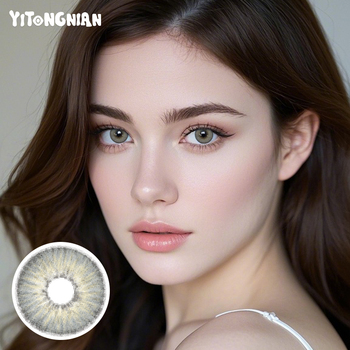
Natural Three-Tone Soft Colored Contact Lenses
- 14.5mm Dia
- 40% Water
- Sandwich Tech
- HEMA-NVP
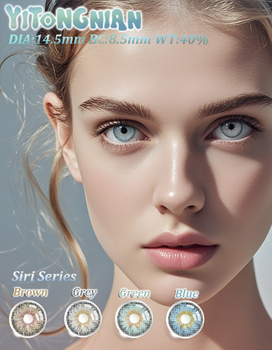
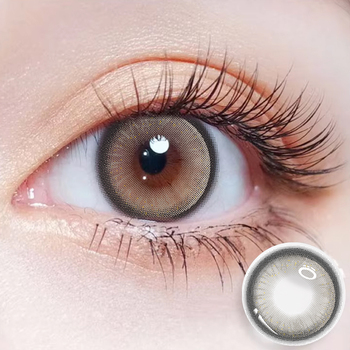
Korean Grey Series Prescription Circle Lenses
- Annual Wear
- 0.08mm CT
- Corrective Rx
- Multi-layer
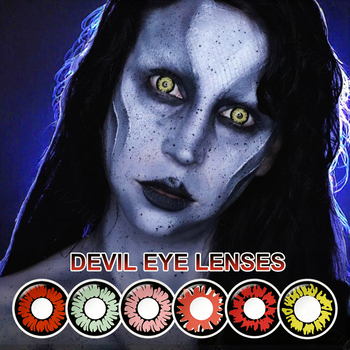
Crazy Sharingan Cosplay Contact Lenses
- 14.5mm Dia
- Opaque Pigment
- CE Certified
- High Contrast
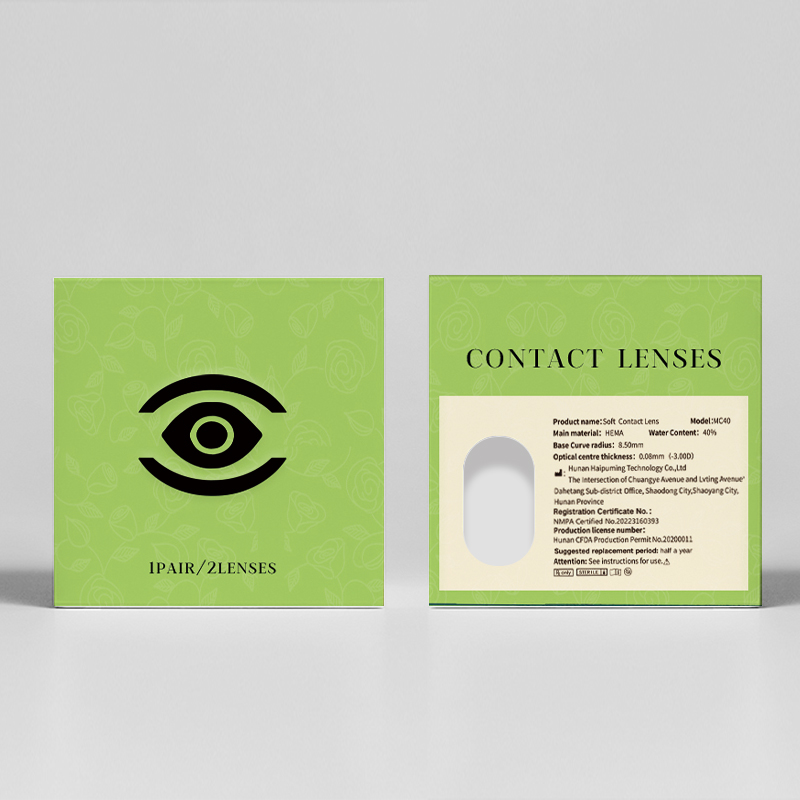
Custom PVC Drawer Box for Eyewear Packaging
- Rigid Board
- Foil Stamping
- Low MOQ 100
- Custom Inserts
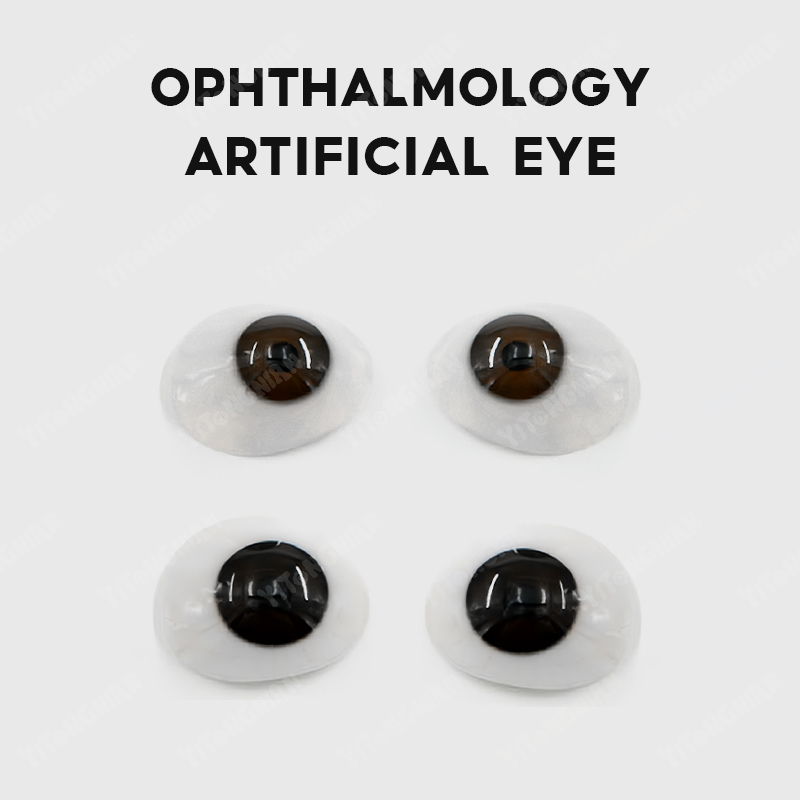
Acrylic Color Contact Lens Display Stand
- Optical Clear
- Countertop POS
- Laser Engraved
- SGS Verified
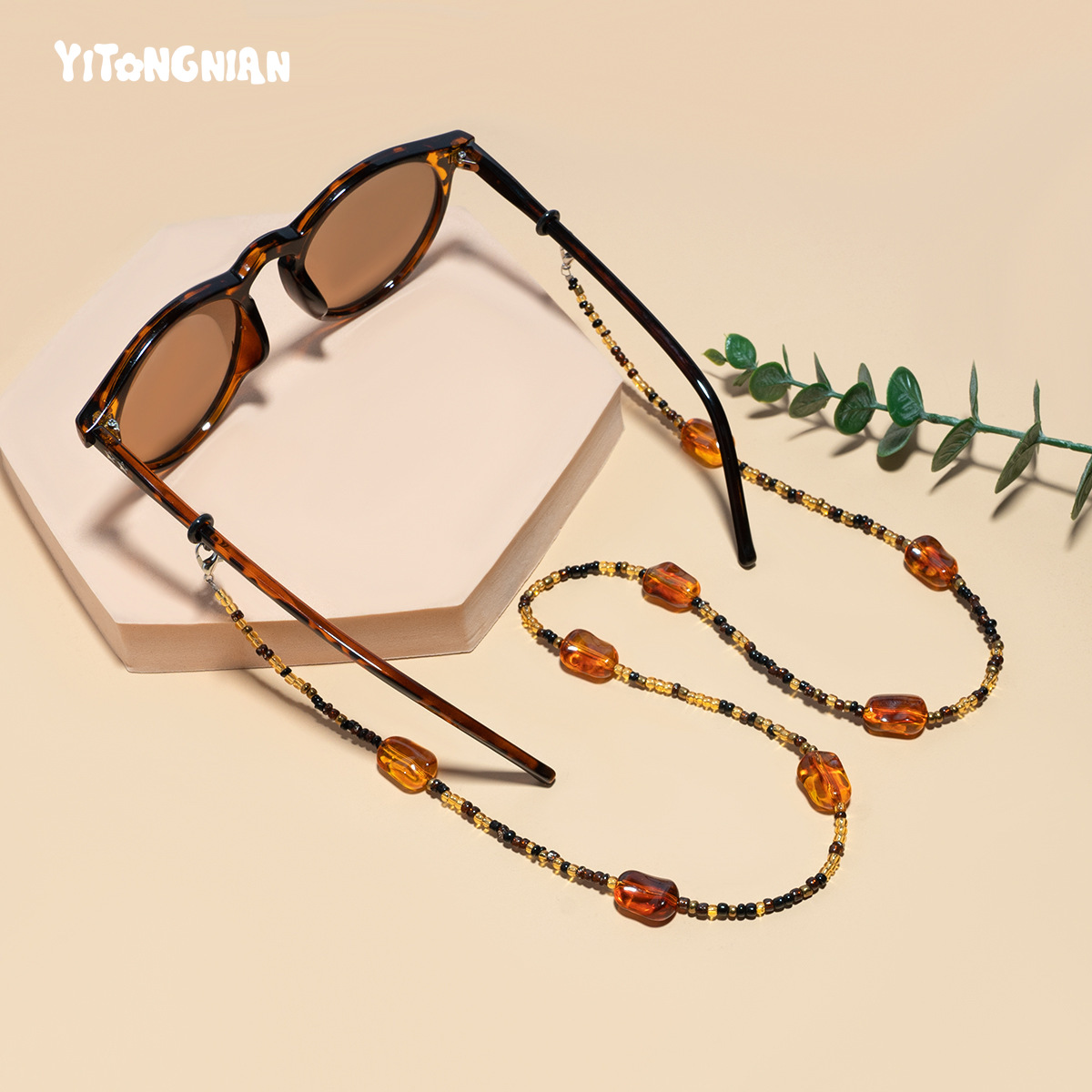
Retro Tortoiseshell Bead Glasses Chain
- Cellulose Acetate
- Anti-Slip Loop
- B2B Bundle SKU
- Luxury Finish
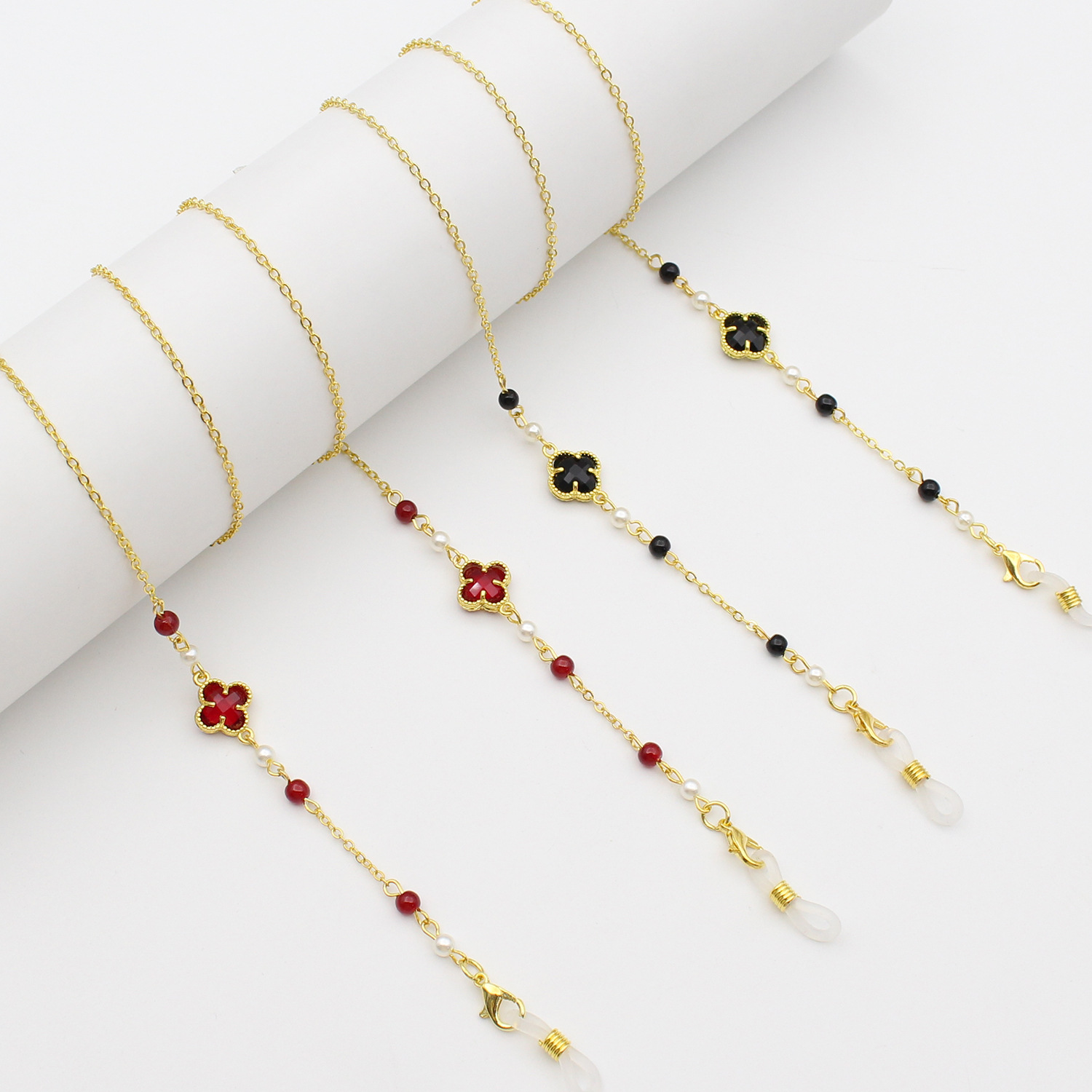
Crystal Four-Leaf Clover Glasses Chain
- Jewelry Grade
- Dual Function
- Retail Blister
- Cross-Sell SKU
Engineering Biocompatibility: Inside Our China Contact Lens Foundry
A comprehensive examination of polymer chemistry, sandwich printing micro-encapsulation, and the operational rigor behind exporting Class II/Class III optical devices globally.
In modern ophthalmic device sourcing, cosmetic colored contact lenses have evolved from low-barrier beauty novelties into highly regulated, precision-engineered medical products. Operating under strict ISO 13485:2016 quality management systems and audited onsite by the SGS Group, Colorlenshub Technology Co., Ltd. serves as an industrial foundry bridging clinical rigor and rapid consumer aesthetic lifecycles. Based in Hunan, China, our specialized production facility utilizes automated precision cast molding platforms inside Class 100,000 (ISO Class 8) cleanrooms to eliminate particulate contamination while maintaining strict lens geometry down to micron-level tolerances.
Traditional inferior manufacturing methods historically utilized surface pad printing, where bio-incompatible dyes directly contacted corneal tissue or the inner palpebral conjunctiva, triggering giant papillary conjunctivitis (GPC) and corneal epithelial defects. At our factory, we employ an advanced multi-layer sandwich cast molding technology. In this system, medical-grade inorganic colorants (such as iron oxides and phthalocyanine copper complexes) are deposited within the core optical layer. Subsequent polymerizing injections of hydroxyethyl methacrylate (HEMA) or silicone macromers fully envelop the pigments. A proprietary thermal polymerization protocol follows, locking all chromatic components inside an inert polymer matrix, guaranteeing zero pigment leaching even under continuous chemical exposure to hydrogen peroxide or multipurpose lens care solutions.
Clinical Biocompatibility & Safety
Every batch of cosmetic lenses complies with cytotoxicity, ocular irritation, and systemic toxicity tests outlined under ISO 10993 standards. Our optical-grade polymers provide balanced ionic properties that minimize protein and lipid deposition over multi-hour wear cycles.
Micron-Level Cast Molding
Utilizing high-precision optical steel tooling and diamond lathe-turned mold inserts, our center thickness (CT) variance is kept within ±0.005mm. This consistency stabilizes power distribution for corrective prescription SKUs from plano (0.00) down to -8.00 diopters.
One-Stop Turnkey Scalability
From pre-sterilization blister sealing to automated secondary packaging in custom PVC drawer boxes and retail countertop acrylic fixtures, our facility consolidates complete supply chain workflows, eliminating multi-vendor coordination overhead for brand managers.
Macro Sourcing Trends: Colored Contact Lens Procurement (2025–2030)
A strategic breakdown of shifting consumer demographics, regulatory scrutiny across western jurisdictions, and emerging polymer formulations driving global brand profitability.
Wholesale procurement directors, clinical distributors, and independent private-label brand owners face a rapidly transforming international trade landscape. Sourcing colored contact lenses directly from Chinese manufacturing centers now requires an understanding of four major structural industry shifts:
The Silicone Hydrogel Migration
The legacy poly-HEMA market is transitioning toward second- and third-generation silicone hydrogel composites. By elevating oxygen transmissibility (Dk/t) from ~15-20 Barrer/cm up to 60-100+ Barrer/cm, brands can target medical consumers demanding all-day wear comfort without hypoxia-induced neovascularization.
Agile MOQ & SKU Proliferation
Rather than locking capital into tens of thousands of units per SKU, brands require factories offering mixed-palette, low-MOQ capabilities (as low as 10–50 pairs per design). This enables dynamic A/B catalog testing across natural, mixed-race (Hidrocor), and Japanese circle lens aesthetics without inventory deadweight.
Stringent Global Traceability
With the operational enforcement of the EU Medical Device Regulation (EU MDR 2017/745) and FDA Unique Device Identification (UDI) frameworks, importers must partner with manufacturers providing verifiable batch master records, ISO 11135 ethylene oxide sterilization validations, and accelerated 5-year stability testing protocols.
Consolidated Retail Kits
Margin compression on pure lens vials has catalyzed the adoption of end-to-end bundling. Winning e-commerce optical brands now procure lenses alongside bespoke drawer boxes, matching travel companion cases, magnetic anti-slip eyewear chains, and acrylic retail POP displays from a single audited source.
Technical Specification & Formulation Benchmark
A rigorous metallurgical and macromolecular comparison across standard wholesale formulations to assist technical procurement teams in drafting exact OEM technical files.
| Evaluation Parameter | Standard Poly-HEMA Series | Advanced Silicone Hydrogel (Si-Hy) | Bio-Moisture NVP Formulation |
|---|---|---|---|
| Primary Polymer Matrix | 2-Hydroxyethyl methacrylate | Fluoro-silicone macromer + HEMA | HEMA + N-Vinylpyrrolidone copolymer |
| Oxygen Permeability (Dk) | 12 – 18 × 10⁻¹¹ (Barrer) | 65 – 95 × 10⁻¹¹ (Barrer) | 24 – 30 × 10⁻¹¹ (Barrer) |
| Equilibrium Water Content | 38% – 40% (High structural stability) | 42% – 48% (Balanced modulus) | 55% – 58% (Immediate hydration) |
| Modulus (Elastic Rigidity) | 0.35 – 0.45 MPa (Ultra-soft drape) | 0.65 – 0.85 MPa (Crisp handling) | 0.38 – 0.42 MPa (Comfort profile) |
| Center Thickness (@ -3.00D) | 0.08 mm ± 0.005 mm | 0.07 mm ± 0.005 mm | 0.085 mm ± 0.005 mm |
| Available Diameters (DIA) | 14.0 mm, 14.2 mm, 14.5 mm | 14.0 mm, 14.2 mm | 14.0 mm, 14.2 mm, 14.5 mm |
| Base Curve (BC) Matrix | 8.5 mm, 8.6 mm (Universal Fit) | 8.6 mm, 8.7 mm | 8.5 mm, 8.6 mm |
| Encapsulation Method | Cast molded sandwich technology | Triple-layer matrix crosslinking | Full immersion sealed colorant |
| Targeted Replacement Cycle | Yearly / Half-Yearly / Monthly | Monthly / Daily Disposable | Monthly / Daily Disposable |
| Regulatory Documentation | CE / ISO 13485 / MDD | ISO 13485 / Technical Dossier | CE / ISO 13485 / Full Dossier |
Next-Generation Optical Aesthetics: Micro-Dot Pigmentation & Pupil Geometry
How computer-aided optical patterning and sub-micron halftone printing are redefining naturalism for dark-eyed populations.
The primary barrier to sales velocity in Western European, North American, and Middle Eastern retail environments is the "artificial appearance" typical of entry-level cosmetic lenses. When a lens displays an unnaturally sharp limbal ring or a pixelated pupil aperture, consumer adoption collapses. Colorlenshub Technology Co., Ltd. addresses this through extensive optical R&D, deploying proprietary halftone dispersion patterns and micro-dot pigment gradients developed over six years of on-eye clinical photography.
Our chromatic engineering team uses high-density micro-dot deposition to create feathered limbal borders. Instead of a solid, harsh boundary, our lenses mimic the natural human corneal limbus by fading outer pigmentation into the sclera. Furthermore, our Three-Tone Radial Blending System layers an amber/hazel internal transition zone around the pupillary margin, an iris-depth mid-tone layer (spanning emerald, graphite, periwinkle, or chestnut), and a contoured limbal accent ring. This ensures seamless visual integration whether the end-user has deep dark brown irises or naturally light hazel eyes.
Simultaneously, we calibrate the optical clear zone diameter (pupil aperture) precisely between 3.8mm and 4.2mm. This window is calculated to maintain full peripheral color disguise during pupil constriction under direct sunlight, while preventing color occlusion and tunnel-vision artifacts when the patient's pupil dilates in low-light evening environments.
Frequently Asked Questions: Global Contact Lens Sourcing
In-depth operational, regulatory, and logistics answers addressing the primary concerns of import compliance officers and brand directors.
What is the absolute minimum order quantity (MOQ) for stock wholesale vs. custom OEM private label? +
For catalog in-stock designs across our standard natural, prescription, and cosplay lines, our MOQ begins at an accessible 10 pairs per SKU. This enables importers to curate comprehensive sample sets or test 50+ distinct colorways with minimal capital exposure. For private-label OEM initiatives requiring custom aluminum foil blister printing, custom lens power combinations, and bespoke secondary paper or PVC packaging, project MOQs generally start at 100 to 500 sets, depending on structural complexity and hot-stamping embellishments.
How do you verify regulatory compliance for markets governed by US FDA, EU MDR, and other regional authorities? +
Our manufacturing foundry operates under verified ISO 13485:2016 quality systems, certified by international registrars, and holds CE mark documentation under relevant Medical Device Directives. Our company profile and physical operational facility have undergone stringent onsite third-party assessment by the SGS Group. For brand owners seeking commercial distribution within the European Union (MDR 2017/745) or the United States (FDA 510(k)), we provide complete Technical Construction Files (TCF), including accelerated aging test results, packaging seal integrity data (ASTM F1929 / ASTM F88), biocompatibility evaluations (ISO 10993), and sterilization validation reports (ISO 11135).
What power range (diopters) is supported for wholesale prescription colored contact lenses? +
We supply both cosmetic plano lenses (0.00 power) for fashion and aesthetic markets, as well as comprehensive spherical corrective powers ranging from -1.00 to -5.00 in 0.25D increments, and from -5.00 to -8.00 in 0.50D increments across our high-demand natural series (such as Hidrocor, Korean Grey, and Signature Three-Tone). Custom astigmatic toric color lenses or hyperopic plus powers are available via contracted OEM project development.
Can our brand combine lenses, custom drawer boxes, display stands, and chains in a single consolidated shipment? +
Yes. One of Colorlenshub's premier B2B competitive advantages is our consolidated supply chain architecture. Clients can source CE-certified lenses, custom branded slide-out PVC drawer boxes, retail countertop acrylic display fixtures, and cellulose acetate glasses chains within a single purchase order. We assemble, pack, and palletize your complete SKU lineup at our central Hunan logistics facility, significantly lowering international freight fees, eliminating multiple customs brokerage charges, and ensuring harmonious color branding across all physical touchpoints.
What is the standard production timeline and international shipping duration? +
For warehouse-ready in-stock SKUs, fulfillment, quality verification, and dispatch occur within 3 to 7 business days following payment confirmation. Custom private-label manufacturing—including packaging design rendering, plate production, cast molding, hydration, automated blister packaging, and ethylene oxide (EtO) sterilization—typically spans 20 to 35 business days. Global transit is handled via prioritized express air couriers (DHL, FedEx, UPS) arriving in 3–6 business days, or consolidated air freight for mid-tier bulk shipments.
How do you guarantee pigment stability and prevent eye irritation over an annual replacement lifespan? +
We use a proprietary dual-sided sandwich encapsulation cast molding method. Pigments are suspended within a polymerizing monomer bath between inner and outer base matrices. Post-crosslinking, the optical element forms a monolithic structure wherein colorant particles are completely encapsulated. This architecture completely prevents direct contact between the dyes and both the corneal surface and the upper eyelid tarsal plate, preventing mechanical abrasions or chemical leaching throughout the product's valid shelf and wear life.
Initiate Your OEM Contact Lens Partnership Today
Consult with our ophthalmic manufacturing engineers, request customized color rings and physical trial samples, or review technical compliance files tailored to your domestic regulatory authority.
Contact Us