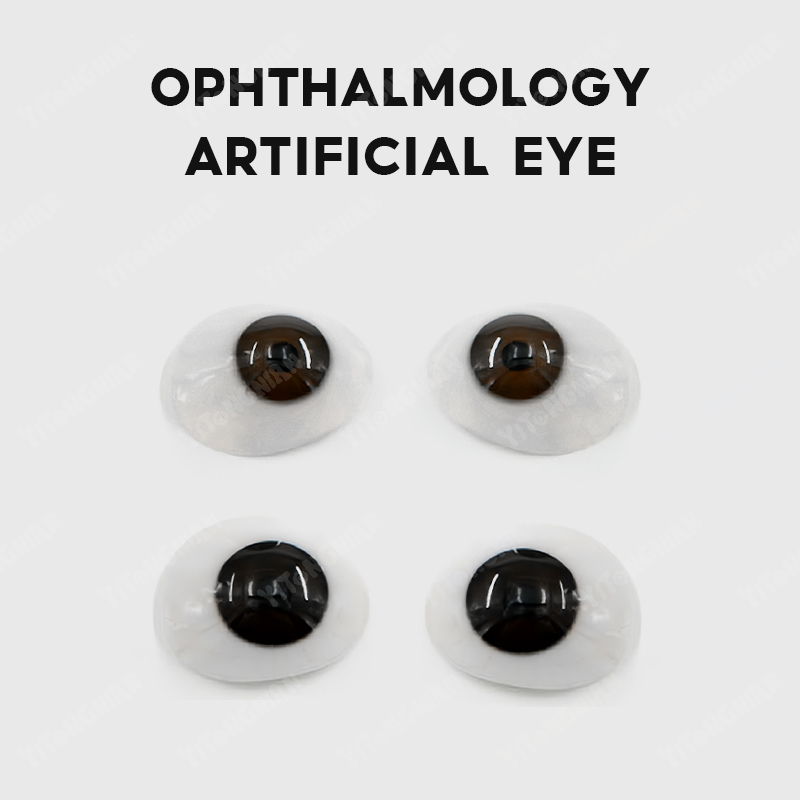
 Display Solution
YITONGNIAN YY Color Contact Lens Display Stand
- Eco-Friendly Acrylic
- Countertop POS
- Clinical Grade
Engineered for high oxygen permeability, physiological biocompatibility, and retail shelf appeal across Western Europe, North America, and emerging markets.
Display Solution
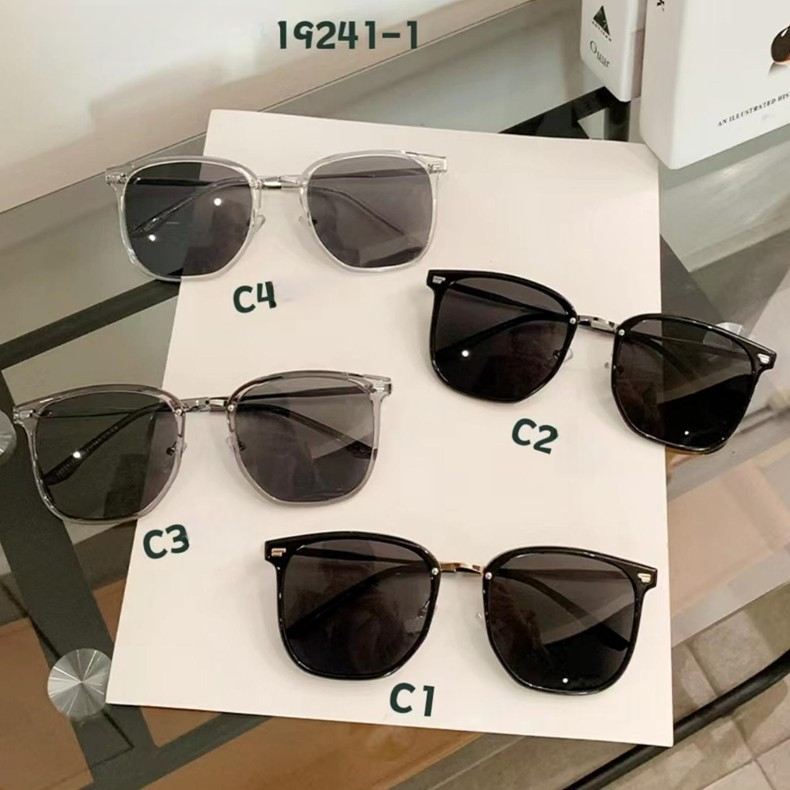 Eyewear Collection
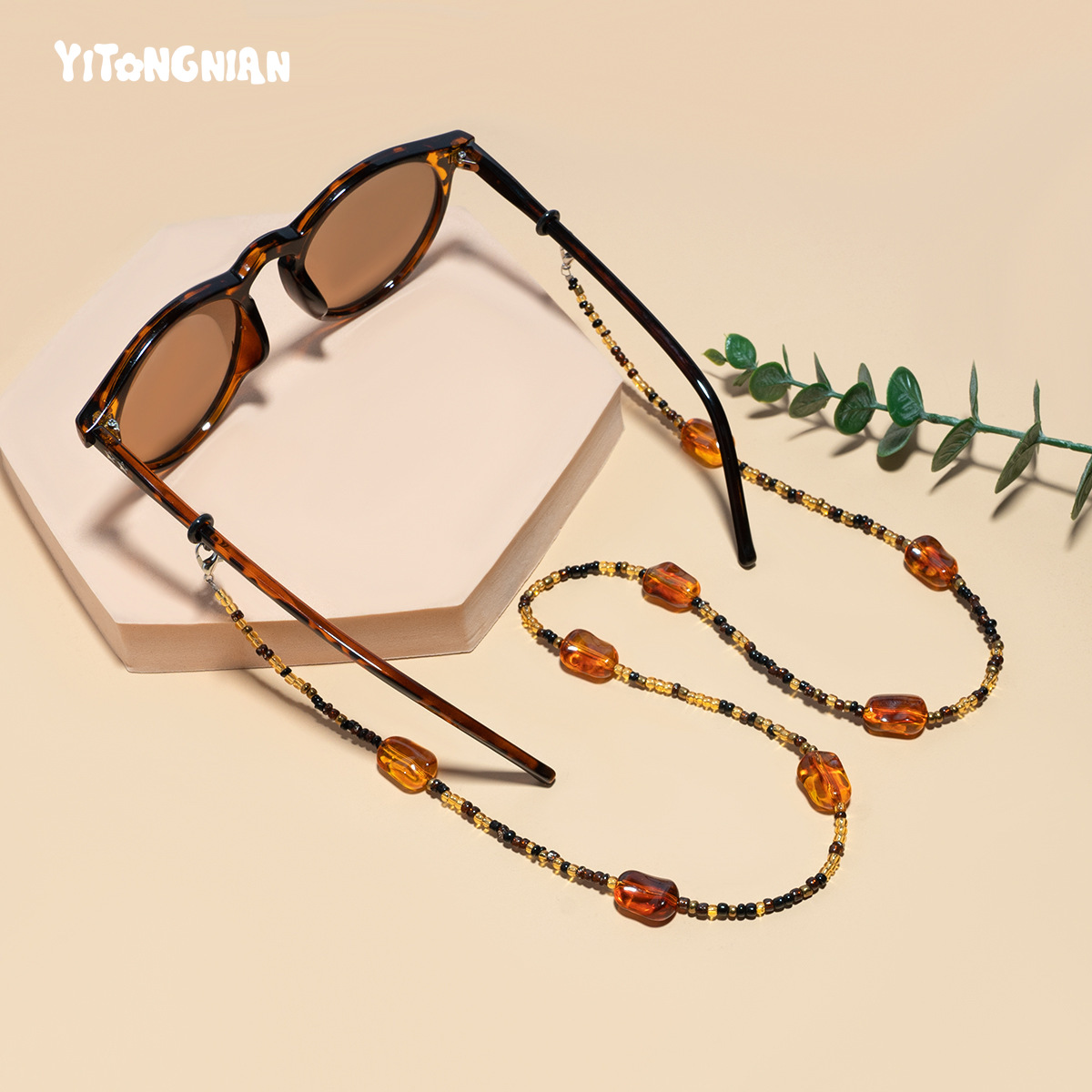 Eyewear Accessory
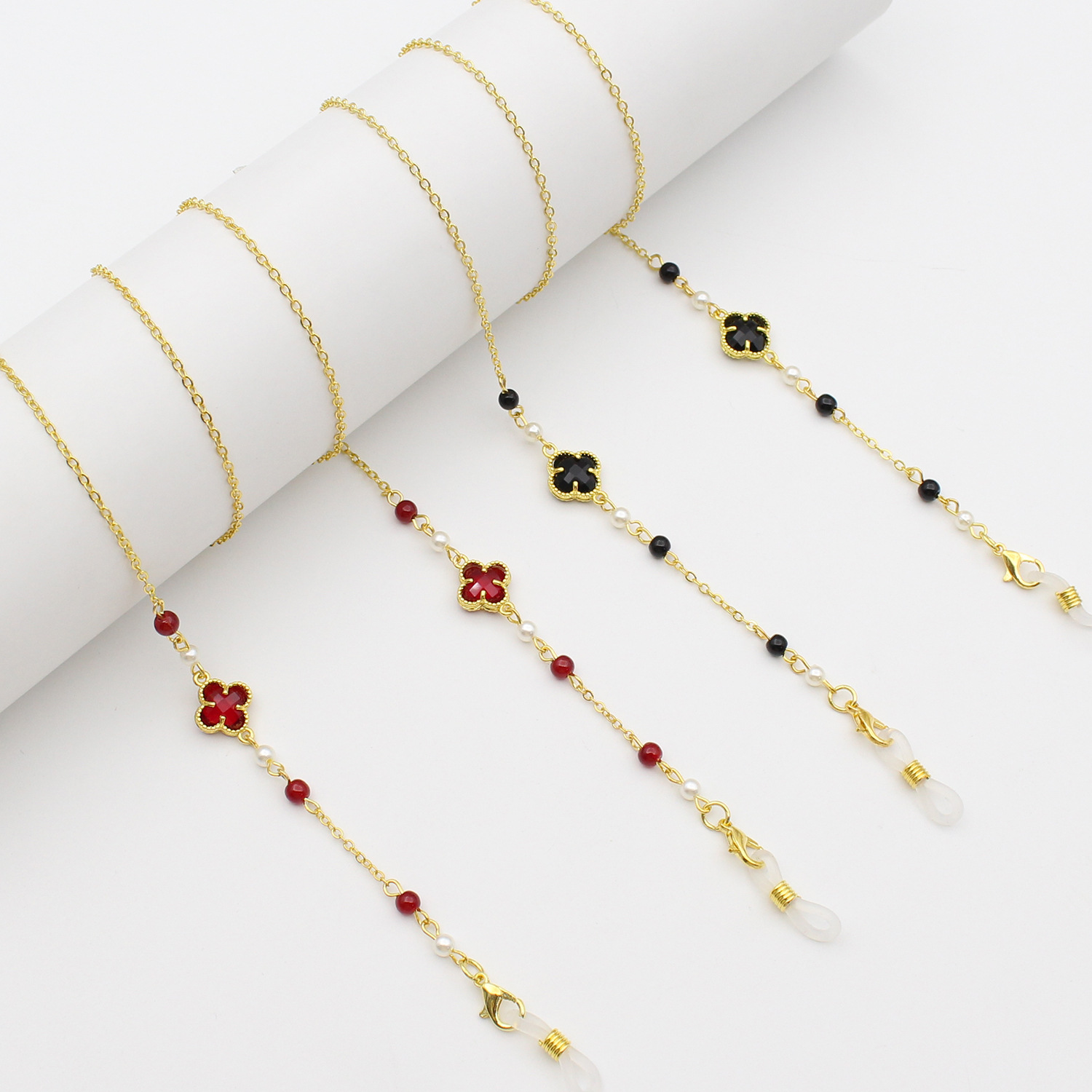 Jewelry Grade
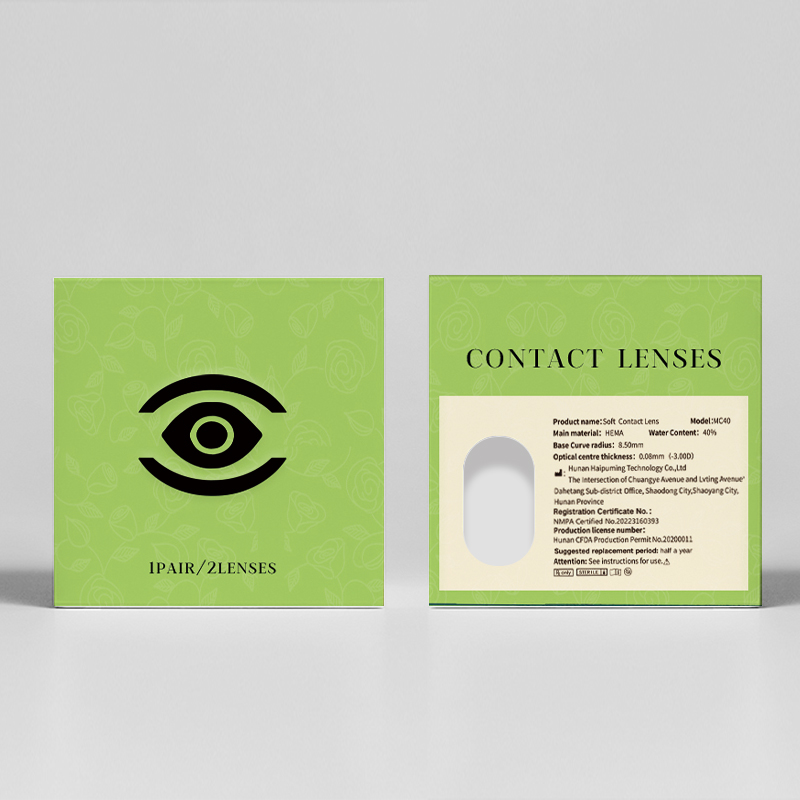 Retail Packaging
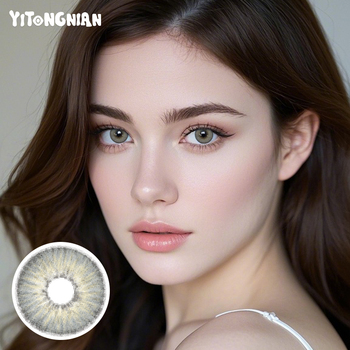 CE Certified Lenses
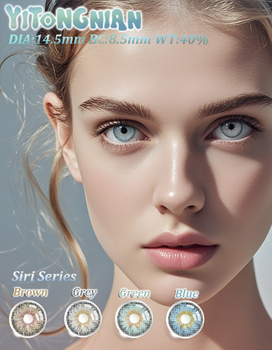 Si-Hy Premium
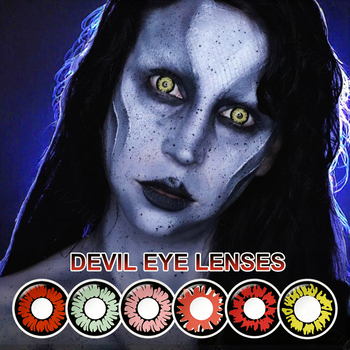 Cosplay / Halloween
The global colored contact lens market has undergone a fundamental transition from niche cosplay novelties to mainstream cosmetic and therapeutic optical consumption. For international procurement managers, brand aggregators, and clinical distributors, navigating the landscape of China wholesale colored eye contacts suppliers and exporters requires an intricate understanding of medical polymer science, sterilization regimes, intellectual property clearance, and international compliance barriers.
A primary criterion in sourcing colored contact lenses is monomer compounding. Traditional Poly-HEMA (2-hydroxyethyl methacrylate) hydrogel matrices, engineered with water content between 38% and 42%, offer predictable modulus values (0.3 to 0.5 MPa), which prevents excessive on-eye stiffness and guarantees instantaneous subjective comfort. However, their oxygen transmissibility (Dk/t) ranges conservatively from 15 to 25 Barrer/cm, making them optimal primarily for short daily schedules or cosmetic rotations.
Technical Insight for Importers: Second and third-generation Silicone Hydrogel (Si-Hy) colored lenses introduce siloxane cross-linkers that elevate oxygen transmissibility up to 80–120 Dk/t. This bypasses the classical compromise between hydration and corneal oxygenation, preventing hypoxic complications like neovascularization and epithelial microcysts during extended cosmetic wear.
When selecting SKUs from an exporter, opt for micro-encapsulated "Sandwich" or "Triple-Layer Casting" technology. In inferior direct-surface printing, pigment formulations risk direct abrasive contact with palpebral conjunctiva and corneal epithelium. Our verified manufacturing process locks biocompatible mineral oxides completely inside the hydrogel layers, eliminating pigment elution, cytotoxicity risks, and surface roughness changes.
Consumer behavior in metropolitan markets (notably the EU, UK, GCC countries, and North America) shows explosive growth in prescription colored contact lenses. Sourcing catalogs that strictly feature plano (0.00 diopter) powers limits customer acquisition. Importers should configure inventories with dual-capability lines offering plano alongside spherical negative corrections spanning from -0.50 to -8.00 D in granular 0.25/0.50 steps.
In addition, morphological realism dictates optical success. The contemporary market favors subtle, biometric three-tone architectures. By combining a stippled, semi-permeable limbal ring (which visually widens the iris margin naturally), a secondary layered radial pattern mirroring natural stromata, and an inner hazel-gold transitional pupil corona, the lens creates depth without producing an artificial or flat appearance over dark brown irises.
Strategic purchasing guidelines to maintain high margins and stay ahead of regulatory and consumer shifts.
While yearly replacement models continue to dominate lower-barrier retail e-commerce, strict hygienic directives and buyer preferences are aggressively steering volume toward Daily Disposable (1-Day) formats. Dailies decrease infection vectors, eliminate lens-case biofilm colonization, and drive steady, subscription-based replenishment models.
Global regulatory pressure against single-use plastics has prompted a packaging overhaul. Leading B2B buyers now request biodegradable FSC-certified exterior paper cartons, compact recyclable blister foils, and modular drawer boxes rather than bulky, non-degradable PVC/polyester presentations.
With cosmetic contact lenses explicitly classified as regulated medical devices under the EU MDR 2017/745 (Annex XVI) and US FDA Class II (510k), spot checks at container terminals are tightening. Sourcing from uncertified workshops creates substantial seizure risks. Future procurement demands end-to-end technical documentation files, complete UDI tagging, and verified factory lot traceability.
The manufacturing architecture for colored contacts is diverging rapidly from labor-intensive manual lathe cutting to fully closed-loop cast molding operations. Here is how modern facility investments are reshaping finished products:
Precision computerized cast molding cures polymer formulations in microscopic optical tools made from high-grade quartz or polymer inserts. High-speed pad printers imprint up to four color levels onto the anterior mold within tolerances of ±0.02 mm before monomer injection. This guarantees centered pupil apertures, balanced rotational inertia, and uniform edge bevels that minimize conjunctival rubbing.
A persistent challenge in silicone hydrogel lens manufacturing is surface hydrophobicity caused by siloxane domains rotating toward the lens-air boundary. State-of-the-art facilities resolve this through continuous internal wetting agents (like integrated Polyvinylpyrrolidone - PVP) or cold gas plasma surface treatments. This permanently seals a hydrophilic layer over the lens, keeping dynamic contact angles low and mitigating lipid and protein adsorption.
| Evaluation Parameter | HEMA Standard Matrix | Advanced Silicone Hydrogel | Cosplay Special Effects |
|---|---|---|---|
| Water Content (%) | 38% – 42% | 45% – 55% | 38% – 40% |
| Base Curve (BC) | 8.5 mm – 8.6 mm | 8.6 mm – 8.7 mm | 8.5 mm – 8.6 mm |
| Overall Diameter (DIA) | 14.0 mm – 14.5 mm | 14.2 mm | 14.5 mm – 22.0 mm (Sclera) |
| Center Thickness (CT) | ~0.08 mm | 0.06 mm – 0.08 mm | 0.09 mm – 0.12 mm |
| Oxygen Permeability (Dk/t) | 18 – 22 Barrer/cm | 80 – 110 Barrer/cm | 15 – 20 Barrer/cm |
| Color Embedding Tech | Sandwich Micro-Pigment | Inter-Polymerized Matrix | High-Density Solid Dye Lock |
Combining verified supply chain reliability with deep industry expertise to scale your private-label optical brand.
Colorlenshub Technology Co., Ltd. has undergone comprehensive onsite qualification by SGS Group. Our documented production footprint, inventory controls, cleanroom validation, and quality management protocols withstand rigorous scrutiny from third-party auditors and customs agencies.
We provide unified turnkey services extending far beyond the lens blister. Our creative and structural teams engineer sterile seal labels, foil blisters, magnetic/drawer packaging boxes, and point-of-sale acrylic displays—delivering a coordinated brand experience directly to retail counters.
We support growing brands with low trial order minimums (MOQ as low as 10 pairs on in-stock designs). Standard lines dispatch in 3 to 7 working days, protecting your operating cash flow and allowing you to test localized market trends before placing large production runs.
Clear, direct answers regarding production standards, regulatory clearance, and commercial order terms.
Direct factory pricing, verified medical-grade manufacturing, complimentary packaging design support, and reliable global fulfillment.
Send an Inquiry