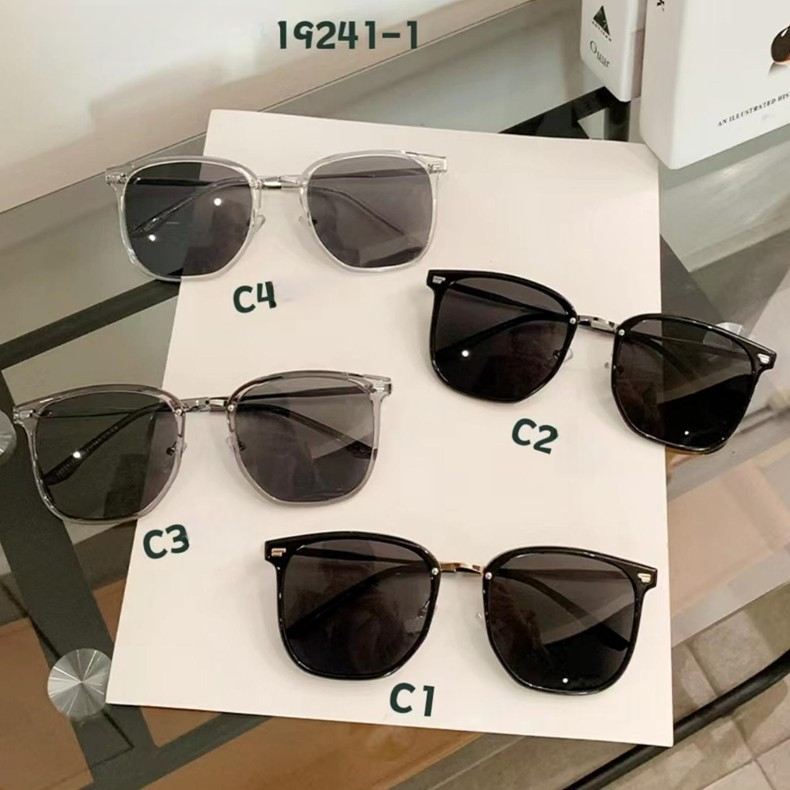
 Eyewear
Polarized Street Style Large Frame Sunglasses UV400
- Anti-UV400
- Polarized TAC
- High Durability
Bespoke Formulations, ISO/CE Certified Cleanroom Manufacturing & Global Sourcing Solutions
Explore our high-yield cosmetic lenses, performance materials, and custom-engineered eyewear solutions engineered to maximize direct-to-consumer and retail margins.
Eyewear
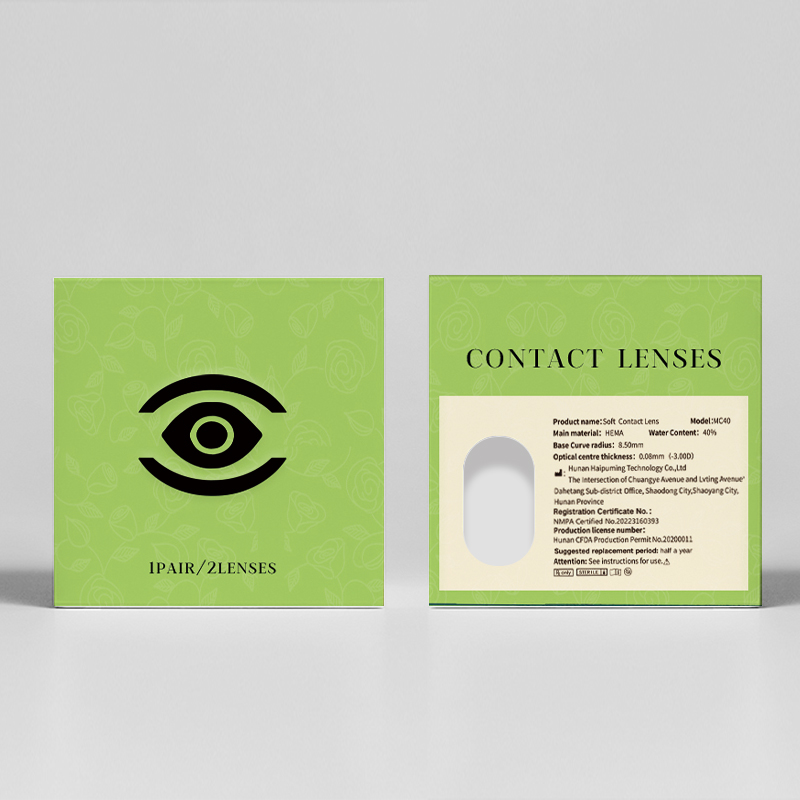 OEM Packaging
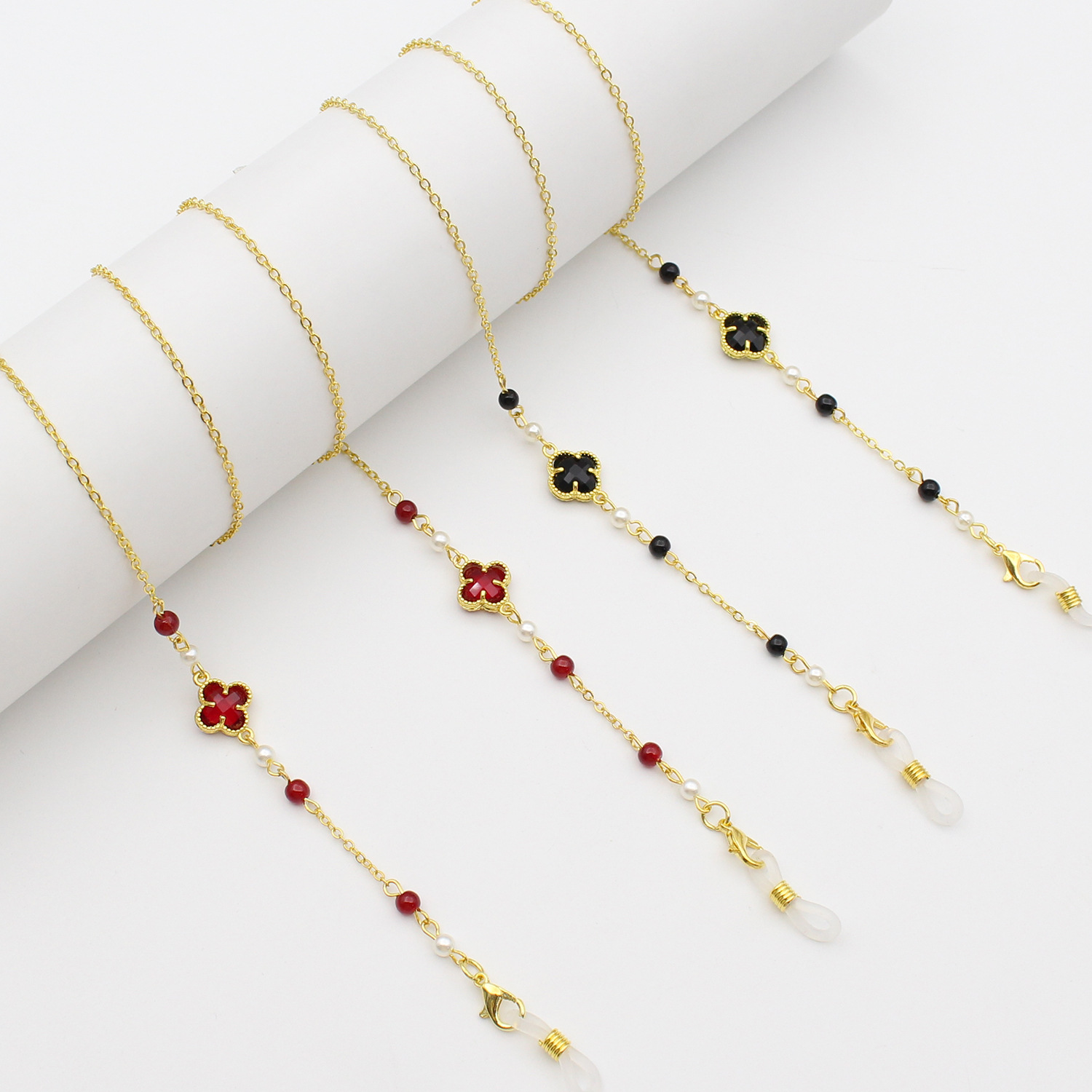 Merchandising
 Accessories
 POS Display
 Hydrogel OEM
 Silicone Hydrogel
 Special FX
Headquartered in a dedicated 550m² operation, Colorlenshub Technology Co., Ltd. bridges advanced optical polymer synthesis with scalable private-label cosmetics execution.
Our sandwich printing methodology locks FDA/CE-registered colorants firmly between inert biocompatible polymer layers. Zero pigment comes into direct contact with the cornea or palpebral conjunctiva, ensuring unprecedented clinical safety and high reorder velocity across strict Western markets.
We empower brand owners to pass local customs clearing frictionlessly. Our product ecosystem aligns with EU MDR 2017/745, CE standardizations, ISO 13485 medical device quality systems, and SGS verified on-site facility audits, fully documented for direct submission to the US FDA and regional health authorities.
From primary blister foils and sterile physiological saline fills to secondary rigid drawer gift boxes, printed barcodes, instruction leaflets, and retail optical displays. We unify lens casting, secondary packaging, and point-of-sale hardware under a consolidated supply chain to reduce total landing costs.
Third-party validated capacity backed by continuous investment in cleanroom optical casting and precision molding technologies.
A rigorous examination of polymer dynamics, hydration equilibrium, and aesthetic wearability metrics for procurement officers.
In wholesale cosmetic contact lens distribution, material choice governs consumer compliance and retention. Conventional poly-HEMA (2-Hydroxyethyl methacrylate) remains the undisputed gold standard for cost-effective, vibrant cosmetic application. Maintaining an equilibrium water content of 38% to 40%, HEMA formulations resist dehydration in evaporative indoor microclimates, making them extraordinarily gentle on sensitive wearers who experience tear-film depletion during 6- to 8-hour daily wear cycles.
Conversely, for clinical and high-tier medical beauty portfolios, third-generation silicone hydrogel compounds represent the high-margin frontier. By integrating fluorosilicone macromers with hydrophilic monomers, these lenses bypass tear-water dependency to transport atmospheric oxygen directly through the polymer matrix. Delivering Dk/t (transmissibility) figures exceeding 100 units, silicone hydrogel colored lenses mitigate corneal hypoxia, neovascularization, and limbal redness, establishing exceptional brand loyalty among consumers demanding extended 12-hour continuous wear.
A frequent pitfall in contact lens private-label scaling is geographic anthropometric mismatch. Western consumer cohorts exhibit flatter corneal profiles (flatter mean keratometry), requiring standard base curves of 8.6mm combined with natural Graphic Diameters (GDIA) ranging from 13.0mm to 13.5mm for subtle eye enhancement. In contrast, East Asian and Latin American demographics prefer limbal-expanding silhouettes (GDIA 13.8mm to 14.2mm, overall DIA 14.5mm) paired with steeper base curves (8.5mm to 8.6mm) to create dramatic visual enlargement without mechanical lens decentration or conjunctival dragging.
Navigate market dynamics, international trade policy transitions, and the shift toward bio-compatible daily disposables.
Global cosmetic contact lens consumption is undergoing a permanent inflection toward daily single-use blisters. Driven by post-pandemic ocular hygiene awareness, buyers are divesting from conventional 365-day vials. Daily disposables completely eliminate the need for multi-purpose chemical solutions, cleaning cases, and patient non-compliance complications while exponentially increasing customer lifetime order frequency.
National regulatory authorities are categorizing colored lenses strictly as Class IIa / Class IIb medical devices regardless of whether corrective power is present. Sourcing teams can no longer gamble with unverified intermediary brokers. Direct integration with audited OEM manufacturing facilities that possess transparent Technical Construction Files (TCF), biocompatibility test protocols, and cleanroom traceability is now vital.
Modern consumers demand ecological accountability. Leading cosmetic brands are discarding non-recyclable thick plastics in favor of biodegradable paper-based outer sleeves, soy-ink lithographic prints, and space-saving blister packaging. Streamlined packaging reduces gross oceanic and air cargo weights, directly slashing landed freight surcharges amid shifting global shipping tariffs.
Clear, unhedged answers regarding minimum order thresholds, chemical safety guarantees, and proprietary color development.