Eyewear Merchandising
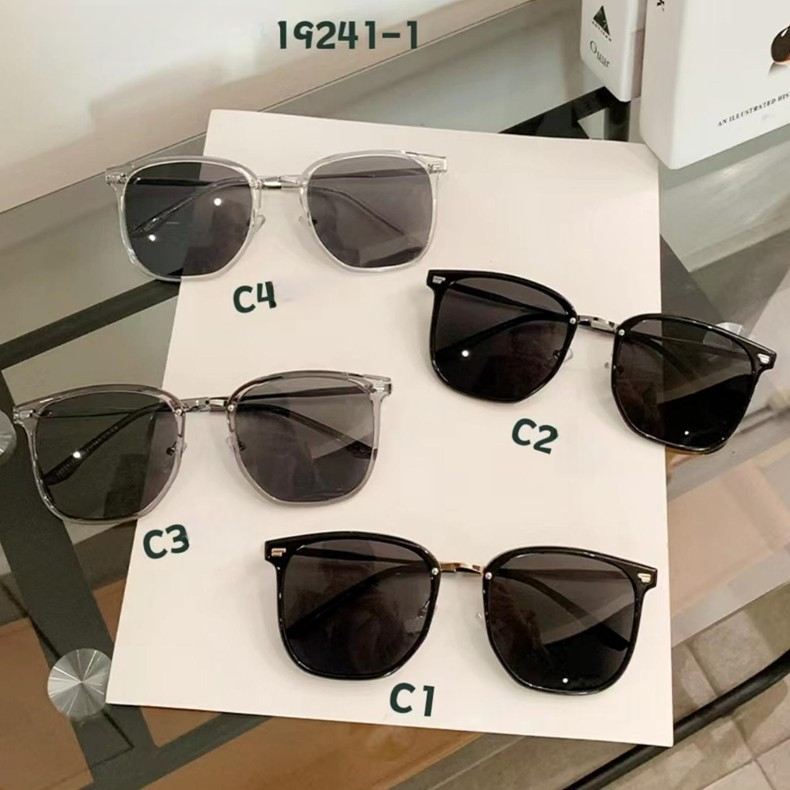
Fashionable Street-Style Large Frame Polarized UV400 Sunglasses
UV400 Polarized
Polycarbonate
Retail Ready
Precision hydrogel and silicone-hydrogel cosmetic contact lenses paired with turnkey retail display and secondary protective packaging solutions.
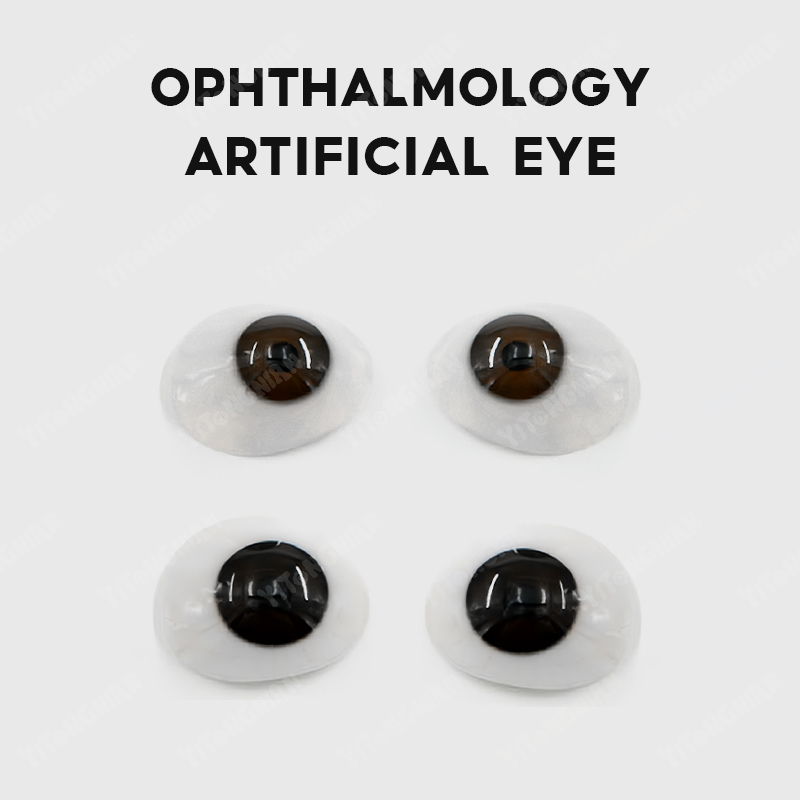
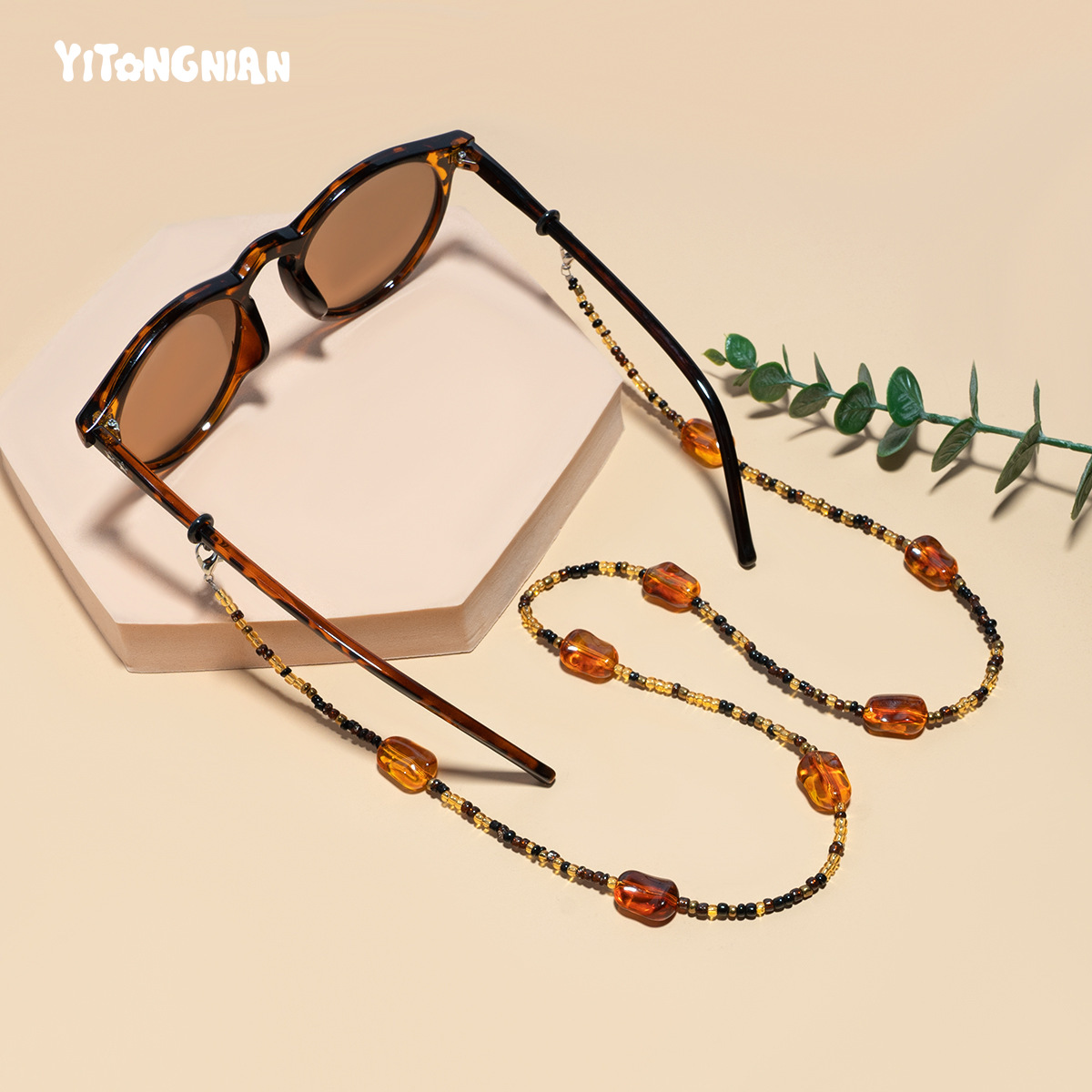
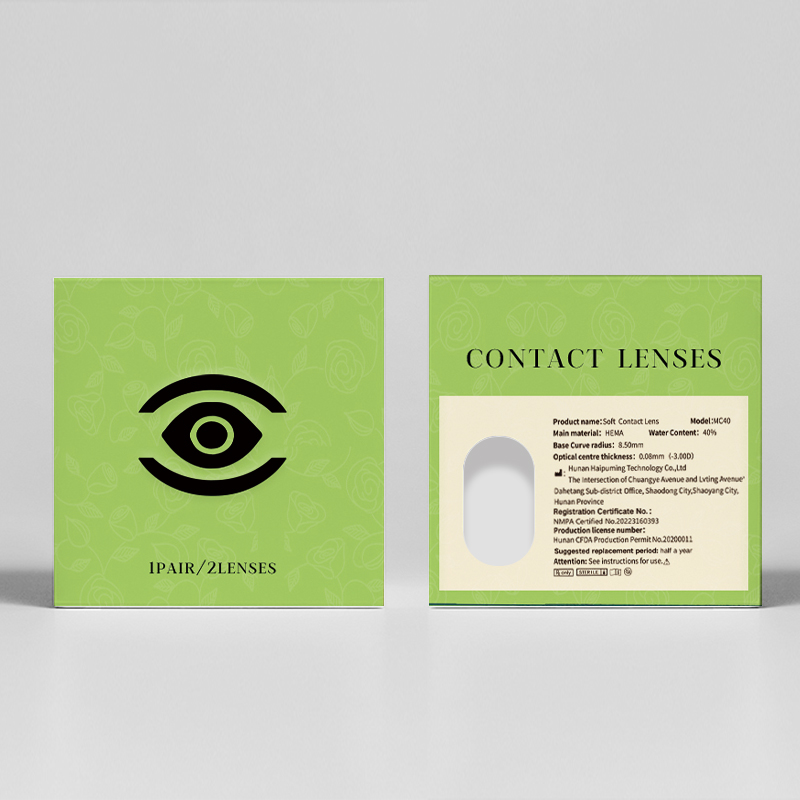
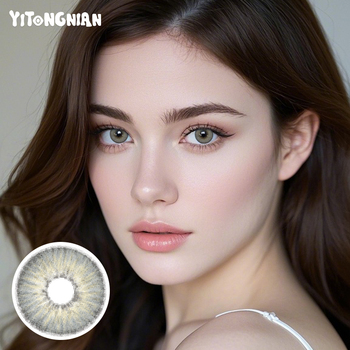
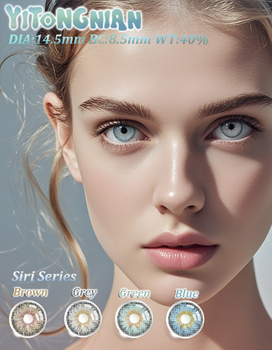
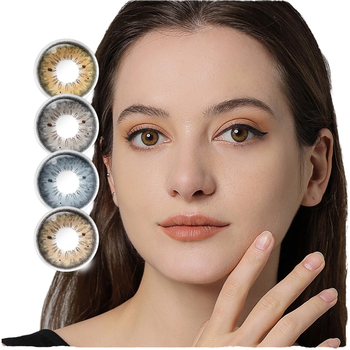
Evaluating production methodologies, micro-encapsulation safety, oxygen transmissibility, regulatory dossiers, and private-label turnaround cycles.
Primary Edge: Vertically integrated ODM/OEM ecosystem offering low 10-pair MOQs on over 5,000 in-stock color formulations, backed by full SGS on-site audits, CE compliance, and customized rigid secondary packaging.
Primary Edge: Pioneering medical precision and daily-disposable circle contact lenses. Strong institutional presence across Japanese clinical optometry chains with ultra-clean casts.
Primary Edge: Widely recognized pioneer of the original Korean cosmetic circle lens wave. Extensive global brand recognition and FDA 510(k) clearances across flagship lines.
Primary Edge: Advanced biomaterial research integrating sodium hyaluronate hydrophilic agents directly into the polymer matrix for high moisture retention.
Primary Edge: Semiconductor-inspired automated production lines providing hyper-consistent lens geometries and high-throughput daily cosmetic disposables.
Primary Edge: Specialized in ultra-thin hydrogel profiles and patented micro-pigment sandwich technologies preventing any physical corneal contact with iron oxide dyes.
Primary Edge: One of Asia's most historic contact lens labs, possessing patented cast-molding techniques and high modulus control to prevent lens inversion during insertion.
Primary Edge: Specialized in toric cosmetic circle contact lenses, addressing the underserved astigmatic consumer demographic in colored eye enhancements.
Primary Edge: Deep technical mastery of classic spin-cast and cast-mold procedures, famous for natural brown and hazel three-tone iris blending.
Primary Edge: High agility in seasonal, cosplay, and novelty circle lens patterns, offering fast prototyping for trend-driven brands and optical conventions.
| Manufacturer / Benchmark | Primary Substrate | Enclosure Technology | Standard DIA / B.C. | Compliance Rating | Typical B2B MOQ |
|---|---|---|---|---|---|
| Colorlenshub Technology | HEMA + Si-Hy Hybrid | Dual Micro-Sandwich Polymerization | 14.0–14.5mm / 8.5–8.6mm | CE, ISO 13485, SGS Audited | 10 Pairs (Stock) / 500 (OEM) |
| SEED (Japan) | Ionic Hydrogel | Cast Mold Micro-Layering | 14.0–14.2mm / 8.7mm | Japan PMDA, CE Mark | 5,000 Pairs |
| Geo Medical (Korea) | Polymacon HEMA | Cast Mold Color Fusion | 14.2–14.8mm / 8.6mm | US FDA 510(k), CE, KFDA | 1,000 Pairs |
| Pegavision (Taiwan) | Silicone Hydrogel / Hydrogel | Automated Direct Cast Molding | 14.2mm / 8.5mm | US FDA, CE MDR, PMDA | 10,000 Pairs |
| Interojo (Korea) | High-Dk Si-Hy + HA | Dual Color Lock Technology | 14.2mm / 8.6mm | CE MDR, ISO 13485, KFDA | 3,000 Pairs |
Crucial shifts in polymer engineering, global border regulatory tightening, and B2B distributor supply chain mechanics.
While traditional 2-hydroxyethyl methacrylate (HEMA) hydrogel remains the cornerstone of cost-effective color contact lenses due to its pliable mechanical modulus and predictable dye absorption, global procurement is rapidly shifting toward Silicone Hydrogel (Si-Hy) matrices.
Modern consumers demand wear times exceeding 12 hours. Traditional HEMA lenses (Dk/t around 15–25) struggle with corneal hypoxia during extended wear. Silicone hydrogel formulations elevate oxygen transmissibility (Dk/t > 80), mitigating neovascularization risks while maintaining vivid, high-definition cosmetic prints through advanced hydrophilic surface treatments.
The regulatory honeymoon for cosmetic lenses is officially over. The transition from the Medical Device Directive (MDD 93/42/EEC) to the Medical Device Regulation (EU MDR 2017/745) classifies non-corrective cosmetic lenses under Annex XVI, subjecting plano circle lenses to the identical rigorous clinical safety, post-market surveillance, and biocompatibility scrutiny as corrective ophthalmic implants.
Importers in North America and Europe must align with suppliers capable of providing exhaustive technical files, biocompatibility cytotox profiles, and verifiable cleanroom environmental monitoring reports to avoid customs impoundment.
The historical procurement model demanding 10,000-pair commitments per colorway is incompatible with the velocity of social media beauty trends. Successful e-commerce and retail brands now practice lean procurement architectures.
Suppliers like Colorlenshub Technology Co., Ltd. dominate this landscape by offering ultra-agile 10-pair order minimums on in-stock designs and 100–500 unit thresholds on custom drawer boxes. This empowers brands to test hyper-niche aesthetics (e.g., hazel-green halo rings, sharingan cosplay prints) with minimal capital risk before committing to large automated cast runs.
From unsafe surface-printed pigments to multi-layer biocompatible photonic matrices.
Early circle lenses utilized direct pad printing (tampo printing) onto the posterior or anterior lens surface. This legacy method caused pigment shedding, micro-corneal abrasions, and rapid bacterial biofilm adhesion. It is largely deprecated among certified global suppliers.
The contemporary gold standard relies on high-precision cast molding. Non-toxic inorganic pigments (such as iron oxides and titanium dioxides) are encapsulated between two micro-thin layers of hydrogel. The eye and eyelid never touch the color pigment, ensuring zero dye leakage and maximum tear-film stability.
The frontier of circle contact lens design integrates photochromic tint-shifting molecules, UV-blue light spectral filters, and embedded sensor matrices for non-invasive glucose monitoring, bridging cosmetic iris enlargement with personalized preventive ocular health.
Engineered to eliminate supply friction for optical retailers, e-commerce brand builders, and international distributors.
We eliminate multi-vendor coordination overhead by providing certified contact lenses alongside custom rigid PVC drawer boxes, sterile blister sealings, acrylic display stands, and high-purity care solution from a single audited facility.
Our manufacturing and warehousing facilities undergo regular on-site supplier verification by SGS Group. Lenses maintain rigorous adherence to ISO 13485 quality systems and CE compliance, providing complete traceability on every batch.
With an extensive ready-inventory catalog spanning natural multi-tone, Korean grey, Hidrocor aesthetics, and vivid cosplay designs, in-stock orders are prepared, packaged, and dispatched within 3–7 business days via reliable global couriers.
Our dedicated packaging engineering team assists brand owners with artwork layout, dieline engineering, barcode generation, and 3D visual mockups at zero additional design surcharge, accelerating your product's go-to-market speed.
Direct technical and operational answers to address crucial supply chain considerations.
The sandwich printing (dual-layer cast mold encapsulation) process permanently seals all cosmetic pigments between an anterior and a posterior layer of medical-grade hydrogel or silicone hydrogel. The microscopic pigment particles never come into physical contact with the corneal epithelium or the palpebral conjunctiva, completely preventing mechanical abrasion, pigment leach, or allergic inflammatory responses.
A 14.0mm diameter lens typically features a graphic diameter (GDIA) of 13.0mm–13.3mm, providing a subtle, hyper-realistic eye-color shift suited for professional and everyday wear. A 14.5mm diameter lens expands the graphic diameter to 13.8mm–14.0mm with an accentuated limbal ring, creating the iconic "dolly eye" magnifying circle effect popular in Asian beauty and cosplay markets.
Yes. For our in-stock natural and prescription cosmetic collections, brand owners and optical practices can freely mix myopia powers ranging from plano (0.00) down to -8.00D across different SKU designs to meet localized customer prescription requirements without incurring punitive single-power batch charges.
Because contact lenses are regulated as medical devices globally, customs authorities typically inspect: (1) Certificate of Analysis (CoA) for the specific batch, (2) CE / ISO 13485 manufacturing certification, (3) Manufacturer Declaration of Conformity, and (4) Sterilization Validation reports. In jurisdictions like the United States, importers must hold a valid 510(k) or operate under an authorized registration number.
Standard in-stock catalog orders ship within 3 to 7 working days. For OEM private-label projects involving customized blister foiling, bespoke paper gift boxes, or sliding rigid PVC drawer boxes, lead times typically range from 15 to 25 business days following final digital dieline and sample approval.
Mature Western retail markets (US, UK, Germany) show overwhelming consumer preference for daily disposable and monthly replacement modalities due to superior hygiene profiles and convenience. Conversely, emerging markets and cosplay segments frequently prefer cost-effective 6-month or yearly modalities stored in sterile glass vials. Colorlens Hub supports both blister packs and glass vial production lines.
Request custom sample kits, full technical dossiers, or bespoke packaging dielines directly from our optical production engineers.