Featured Disposable Lenses & Packaging Accessories
Explore our top-tier export items engineered for optical chains, beauty distributors, and private-label e-commerce enterprises.
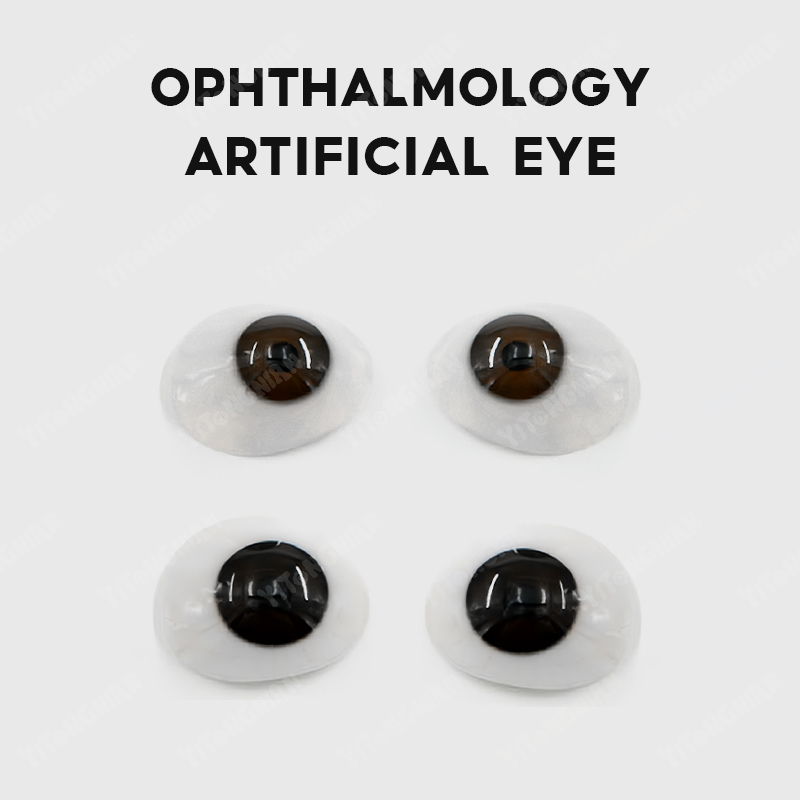
YITONGNIAN Acrylic Eco-Friendly Eye Contact Lens Display Stand Holder
Medical-grade acrylic counter display holder designed for high-end optical boutiques and retail store merchandising.
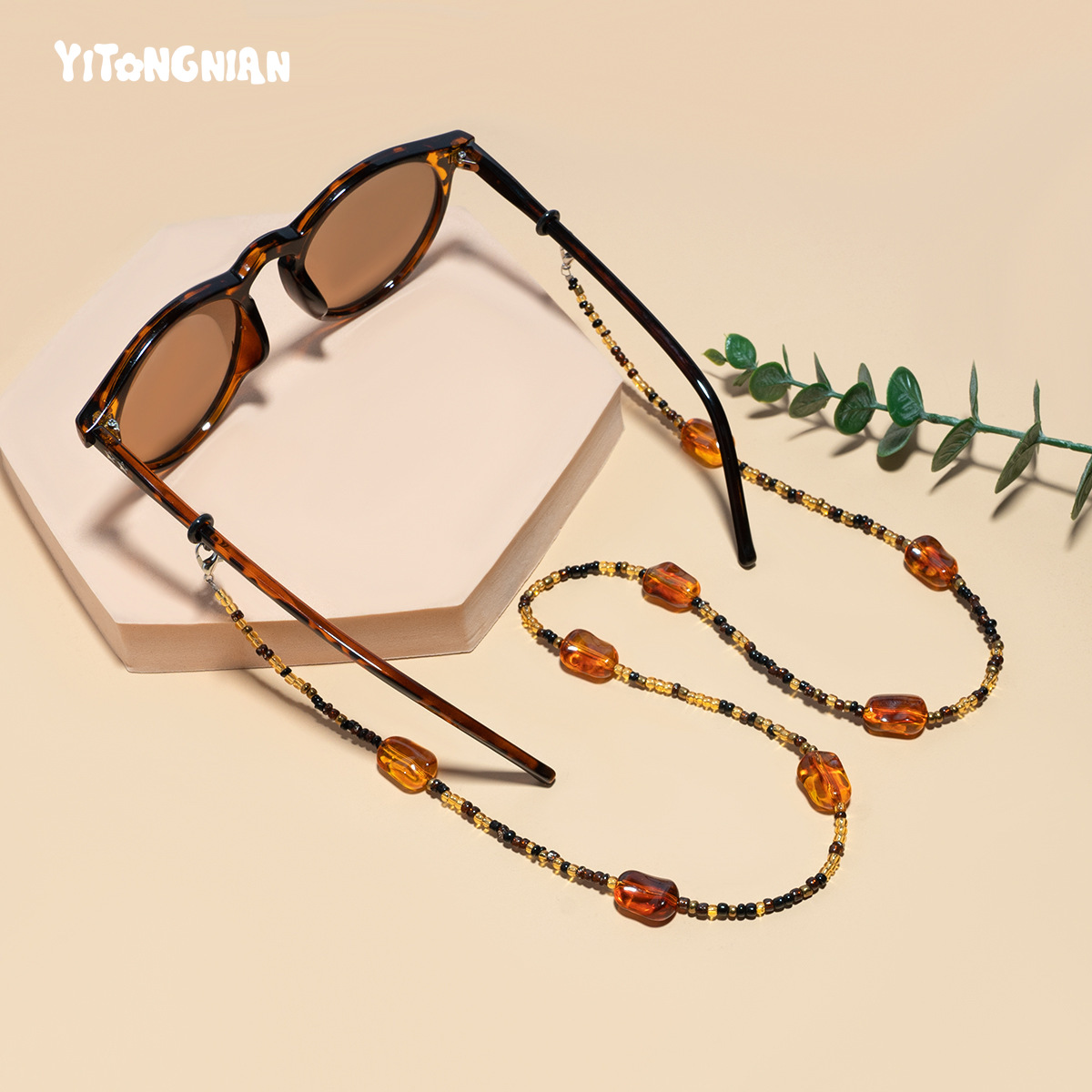
Retro Light Luxury Style Natural Tortoiseshell Patterned Bead Glasses Chain
Anti-slip and anti-loss luxury beaded chain designed for reading glasses, eyewear, and sunglasses accessories.
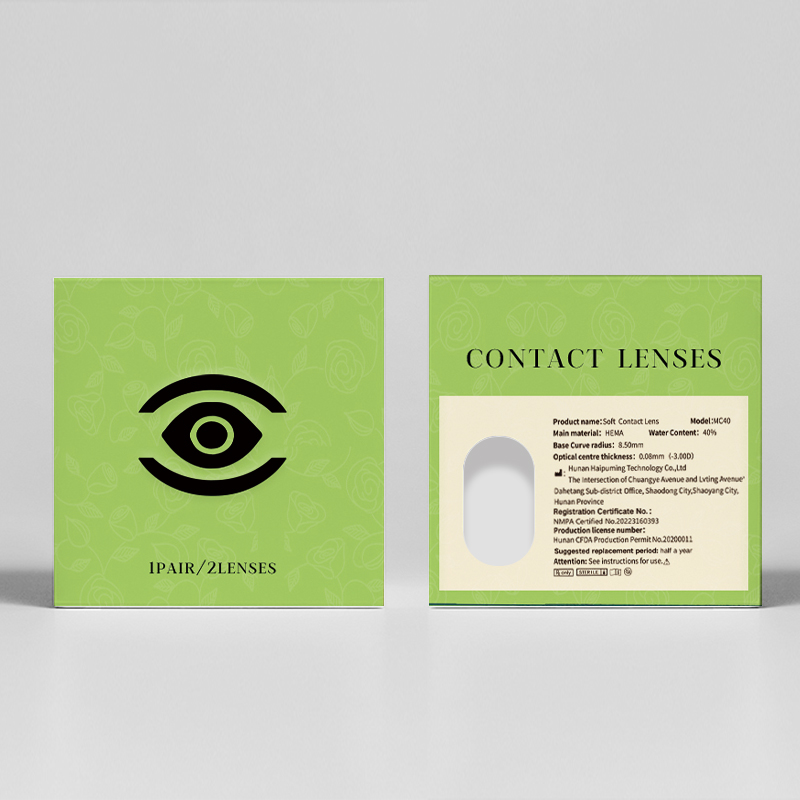
Custom PVC Drawer Packaging Box for Eyewear & Cosmetic Lenses
Bespoke drawer-style gift box packaging with custom logo printing and flexible pantone matching for premium brand unboxing.
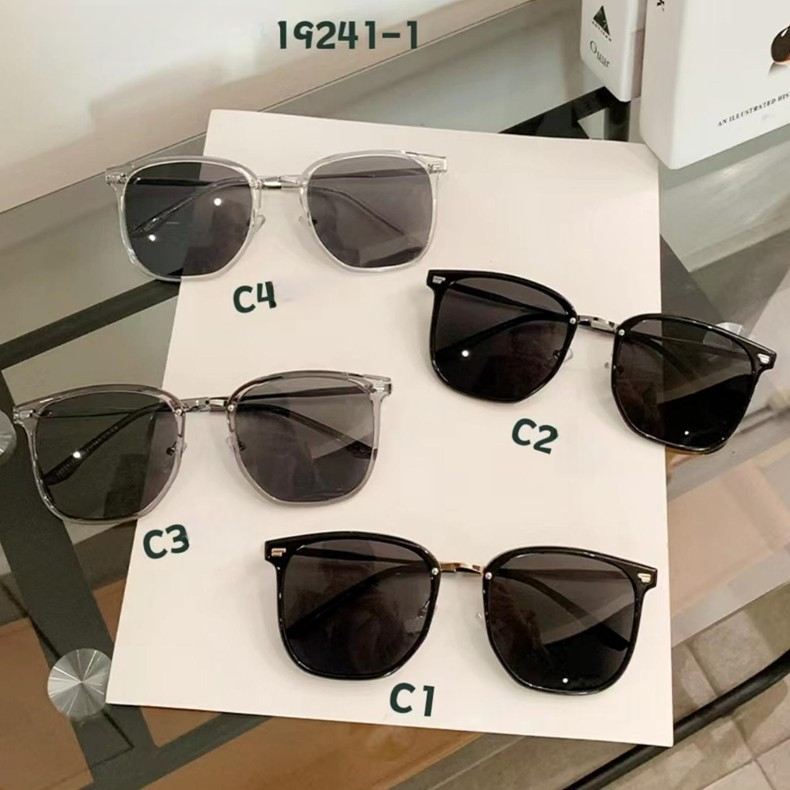
Fashionable Street Style Large Frame Anti-UV Polarized Sunglasses
UV400 protective large-frame sunglasses designed to complement cosmetic colored lens fashion collections.
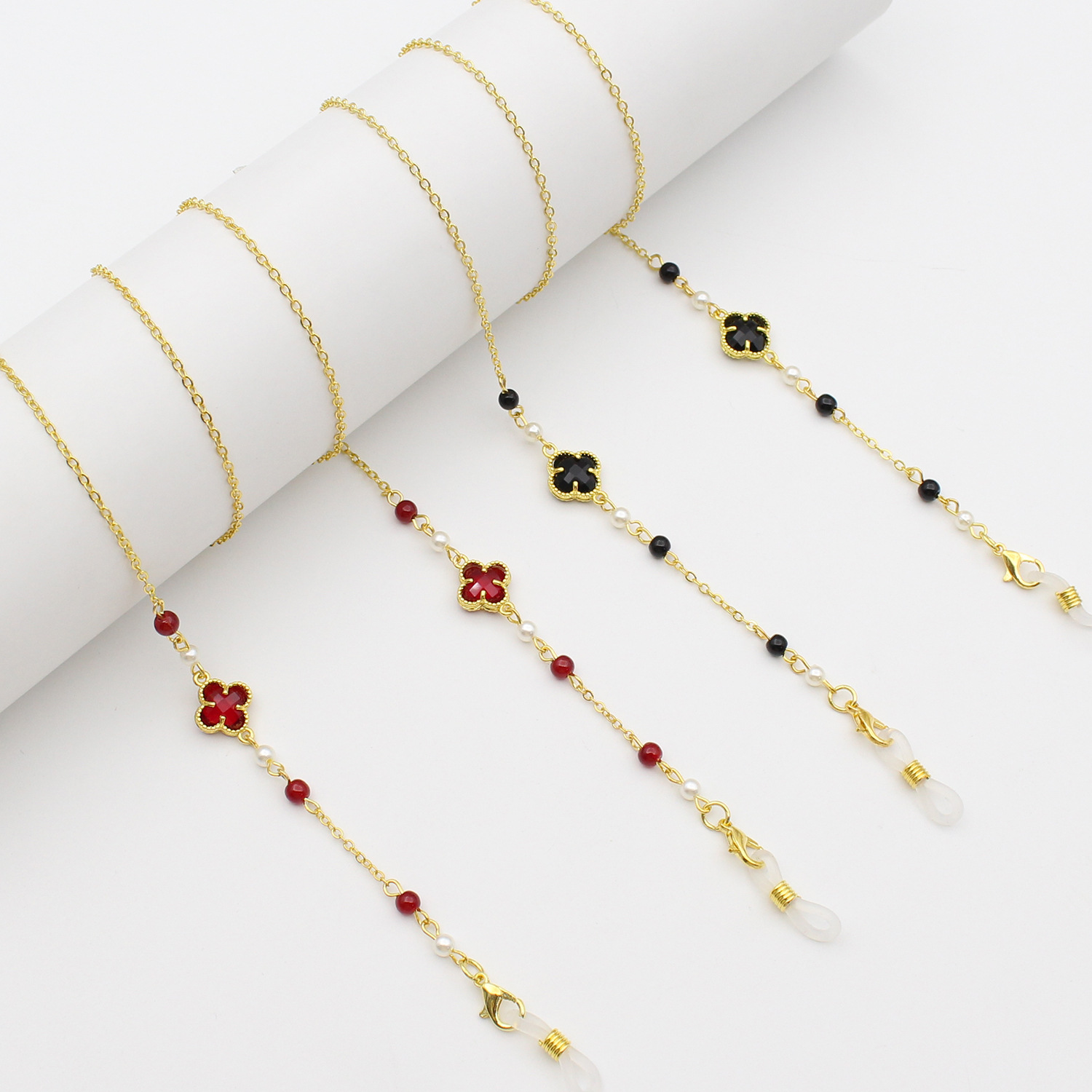
2-in-1 Crystal Four-Leaf Clover Petal Shaped Glasses Chain Accessories
Versatile crystal clover chain accessory engineered for high-margin cross-selling in beauty and optics outlets.
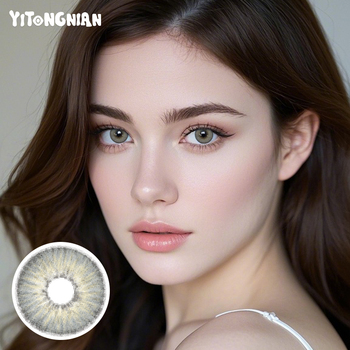
Natural Three-Tone Disposable Soft Colored Contact Lenses
HEMA hydrogel soft lenses with 40% water content, 14.5mm diameter, offering smooth limbal transition for everyday wear.
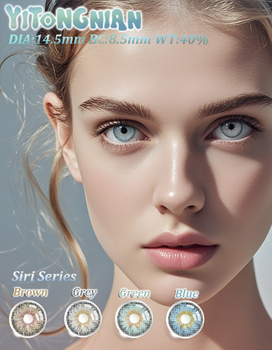
High-Oxygen Silicone Hydrogel Soft Disposable Color Lenses
Advanced Si-Hy polymer formulation ensuring ultra-high oxygen permeability (Dk/t) for maximum corneal health and comfort.
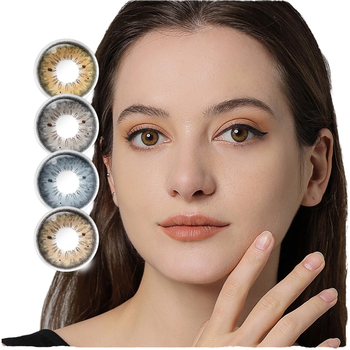
Photochromic Sharingan & Cosplay FX Disposable Contact Lenses
High-opacity pigment micro-encapsulation lenses ideal for seasonal Halloween retail, cosplay conventions, and theatrical sales.
Colorlenshub Technology: Industry-Leading OEM Infrastructure
Operating out of Hunan, China since 2019, Colorlenshub Technology Co., Ltd. combines advanced polymer chemistry with rigorous automated inspection to power over 500+ international contact lens brands.
Regulatory Compliance Notice: Contact lenses are classified as Class IIa/Class IIb medical devices across global jurisdictions. Colorlenshub facilities maintain full adherence to ISO 13485 Quality Management Systems, European CE MDD/MDR standards, and SGS onsite audit protocols. Importers gain complete technical documentation packages (STED) for seamless registration with regional authorities such as the US FDA, Saudi FDA, and Japanese PMDA.
The Strategic B2B Sourcing Analysis: Top 10 Disposable Colored Contact Lens Categories
The global cosmetic contact lens market is undergoing a rapid transformation driven by evolving consumer preferences, optical engineering breakthroughs, and strict regulatory enforcement. Sourcing teams, medical device importers, and beauty brand directors face a dynamic landscape where visual aesthetics must balance perfectly with ocular safety, physiological comfort, and supply chain scalability. This comprehensive guide breaks down the top 10 disposable colored contact lens categories manufactured by leading OEM exporters, presenting raw material specifications, tinting technology, and market adoption vectors.
1. Daily Disposable HEMA Hydrogel Lenses (1-Day Wear)
Daily disposable lenses represent the fastest-growing sector in cosmetic eye-care due to superior hygiene profiles and convenience. Manufactured using 2-Hydroxyethyl Methacrylate (HEMA) hydrogel matrix, daily lenses feature a water content ranging from 38% to 55%. By utilizing single-use daily blisters, wearers eliminate lipid buildup, protein denaturation, and microbial contamination risks associated with multi-day disinfection regimens.
- Target Audience: Urban cosmetics consumers, sensitive-eye wearers, event-driven users.
- Key Technical Parameters: Diameter 14.0mm – 14.2mm, Base Curve 8.5mm – 8.6mm, Center Thickness ~0.06mm – 0.08mm.
- OEM Advantage: Low unit cost in automated high-speed strip blister packaging, ideal for monthly subscription boxes.
2. High-Oxygen Silicone Hydrogel (Si-Hy) Disposable Lenses
Silicone hydrogel matrix technology represents the gold standard in modern contact lens polymer engineering. By incorporating siloxane monomers into the hydrogel network, oxygen transmissibility ($Dk/t$) is elevated from the typical 10–25 barriers of standard HEMA to over 80–120 $Dk/t$. This drastic increase prevents corneal hypoxia, limbal hyperemia (redness), and neovascularization during extended 12+ hour wear cycles.
Formulating colored silicone hydrogel lenses requires specialized surface modification (such as plasma treatment or internal wetting agents like PVA/PVP) to overcome the inherent hydrophobicity of silicone. Exporters mastering this polymer synthesis deliver unmatched premium positioning for optical channel distribution.
3. Three-Tone Natural Iris Emulation Lenses
Natural aesthetic enhancement relies on multi-layer pad printing or inkjet technology that mirrors the complex histology of the human iris. The three-tone configuration comprises:
- Outer Limbal Ring: A defined or feathered dark border that amplifies iris diameter and confers youthful contrast.
- Primary Iris Tone: A blend of hazel, green, grey, or honey pigments that covers native dark eye backgrounds.
- Inner Pupillary Crown: A warm golden or chestnut transition zone surrounding the pupil aperture to ensure seamless color integration.
4. Prescription (Myopia & Hyperopia) Colored Lenses
Combining optical correction with aesthetic enhancement unlocks double the addressable market compared to plano (non-prescription 0.00 D) cosmetic lenses alone. Advanced OEM exporters produce power ranges spanning from -0.50 Diopters to -8.00 Diopters in 0.25/0.50 steps. Maintaining tight optical power tolerances ($\pm0.25\text{D}$) while executing precise micro-encapsulated color layers requires sophisticated mold casting and lathe-cut technological consistency.
5. High-Opacity Cosplay & Special Effects (SFX) Lenses
Cosplay, anime, and Halloween theatrical lenses demand 100% color opacity to completely block out dark brown or black human irises. Utilizing vivid inorganic oxides and titanium dioxide ($TiO_2$) opacifiers, these designs feature vibrant Sharingan patterns, full-white zombie mesh, cat-eye vertical slits, and vibrant neon hues.
Safety Protocol: High-opacity pigments must be strictly locked inside sandwich layers (Double-Cladding Technology) to prevent any direct contact between heavy metal pigments and the sensitive corneal epithelium.
6. Toric Colored Contact Lenses for Astigmatism
Astigmatic wearers represent roughly 25% of all vision correction candidates, yet cosmetic options for this segment remain underserved globally. OEM factories equipped with double-slab-off or prism-ballast stabilization geometry can manufacture disposable colored toric lenses. These designs keep the lens axis stable on the cornea during blinking, preventing rotational blur while providing vibrant eye color modification.
7. Circle Lenses & Visual Enlargement Designs
Pioneered in East Asian aesthetic markets (K-Beauty and J-Beauty), circle lenses feature an enlarged limbal ring diameter spanning 14.5mm to 14.8mm. By pushing the printed color zone past the physiological iris margin, circle lenses create a doll-eye or anime visual effect. Exporters ensure pupil clearance zones remain wider than 5.5mm under photopic conditions to prevent visual field obstruction.
8. Photochromic & Smart Tinted Contact Lenses
Representing the cutting edge of optical innovation, photochromic soft contact lenses dynamically adjust their tint opacity when exposed to ultraviolet light and ambient sun glare. Incorporating naphthopyran dyes within the HEMA matrix allows the lens to transition from a subtle cosmetic sheen indoors to a protective dark glare-reducing filter outdoors, blocking up to 99% of UV-A and UV-B radiation.
9. Customized Private-Label Blister & Box Packaging Solutions
In the competitive direct-to-consumer (DTC) and retail marketplace, primary and secondary packaging is just as critical as the physical lens. Leading exporters supply fully branded solution systems including sterile aluminum foil blister lids, custom printed paper gift boxes, and luxury slide-out PVC drawer boxes (such as Colorlenshub’s custom drawer collection). High-barrier foil seals ensure sterile integrity and shelf stability over a 5-year storage life.
10. Integrated Point-of-Sale (POS) Retail Merchandising Systems
To complete the B2B supply chain, premium exporters produce specialized acrylic display stands, trial lens holder trays, and branded anti-slip glasses chains. Offering turnkey retail displays enables optical distributors to immediately place product lines into brick-and-mortar stores with optimized merchandise layout and high shelf visibility.
Technical Specification Matrix: Material Comparison for B2B Sourcing
The table below provides a engineering benchmarking framework for comparing lens materials during procurement planning:
| Polymer Classification | Water Content (%) | Oxygen Permeability ($Dk/t$) | Modulus (MPa) | Ideal Wear Duration | Target Market Segment |
|---|---|---|---|---|---|
| Standard HEMA Hydrogel | 38% – 42% | 12 – 18 Dk/t | 0.30 – 0.45 | Daily / Monthly Wear | Cost-conscious mass retail & starter brands |
| High-Water HEMA Hydrogel | 55% – 58% | 20 – 28 Dk/t | 0.25 – 0.35 | Daily Disposable | Sensitive eyes, short daily wearing schedules |
| 1st Gen Silicone Hydrogel | 33% – 36% | 80 – 110 Dk/t | 1.00 – 1.20 | Extended / Daily Wear | Premium clinical optical channels |
| 3rd Gen Wetting-Agent Si-Hy | 45% – 48% | 100 – 130 Dk/t | 0.60 – 0.75 | All-Day Comfort Wear | High-end cosmetic DTC brands & optometrists |
Future Sourcing & Manufacturing Trends (2025–2030)
As global medical compliance tightens and consumer awareness deepens, procurement strategies must align with long-term technological trajectories:
1. Micro-Encapsulation Safety
Transition to 100% embedded pigment sandwich structures, eliminating leachability and rough surface topography for reduced friction against eyelid conjunctiva.
2. Automated Digital Try-On
Integration of AR (Augmented Reality) spectral reflectance models, allowing buyers and DTC customers to preview exact color renderings across diverse baseline iris shades.
3. Sustainable Biodegradable Packaging
Replacement of non-recyclable plastic blister trays with eco-friendly molded pulp and bio-based PLA films to reduce environmental footprint.
The OEM/ODM Private Label Manufacturing Lifecycle
Understanding the standard B2B production line workflow ensures seamless execution from initial concept to port delivery:
- Market Consultation & Parameter Scoping: Defining targeted power ranges, diameter choices, color palettes, and regional regulatory parameters.
- Cast-Molding & Polymerization: Injecting optical monomer into high-precision quartz steel molds followed by thermal or UV curing.
- Micro-Sandwich Color Printing: Applying medical-grade biocompatible pigments directly inside polymer layers.
- Hydration & Extraction: Washing unreacted monomers in purified water tanks to achieve target hydration levels.
- Automated Inspection (AOI): 100% optical inspection checking edge smoothness, center thickness, tint alignment, and particulate contaminants.
- Saline Filling, Sealing & Autoclaving: Hermetically sealing lenses in buffered saline solution blisters followed by 121°C terminal steam sterilization.
B2B Procurement & Sourcing FAQ
Essential answers to common technical, logistics, and compliance questions asked by international buyers.
Accelerate Your Brand with a Trusted Contact Lens Exporter
Contact our engineering and sales consultancy team today to receive physical sample kits, wholesale price sheets, and custom OEM packaging quotes.