Curated Fashion & Eyewear Accessory Ecosystem
An enterprise-grade selection encompassing verified cosmetic contact lenses, premium retail display hardware, UV-protective eyewear, and custom packaging systems designed for global retail scalability.
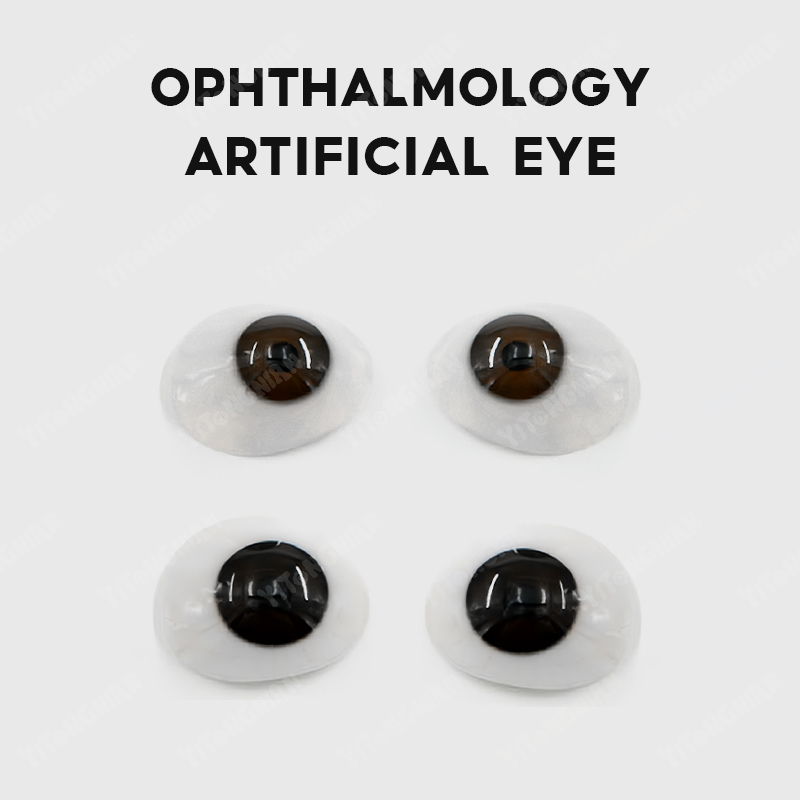
YITONGNIAN YY Color Contact Lens Acrylic Display Stand
- Medical-Grade Acrylic
- Countertop Display
- Custom Silk-screen
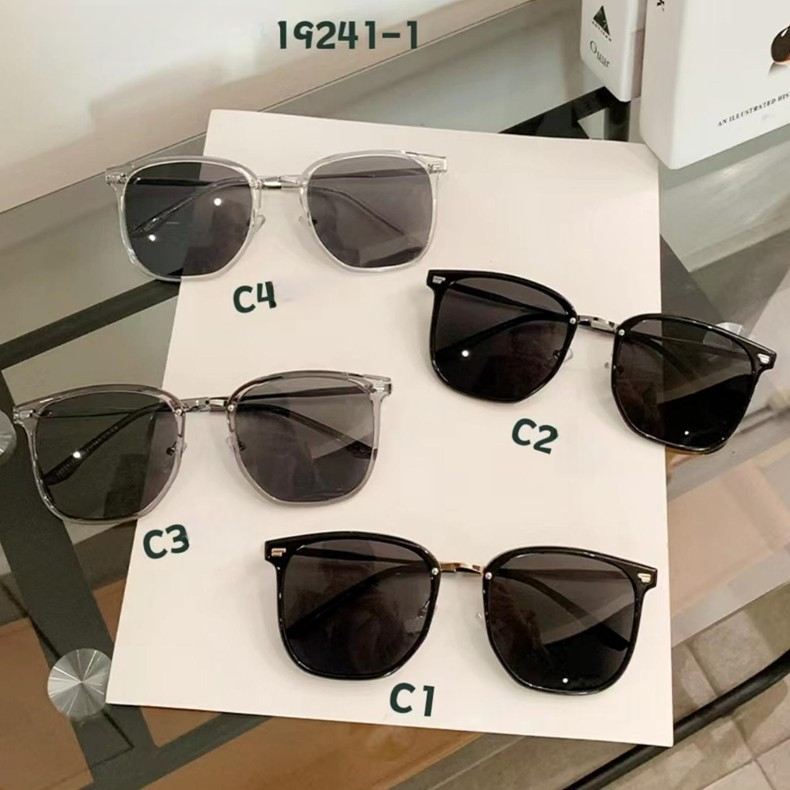
Street Style Large-Frame Polarized Sunglasses UV400
- TAC Polarized Lens
- UV400 Shield
- Ultra-light Alloy
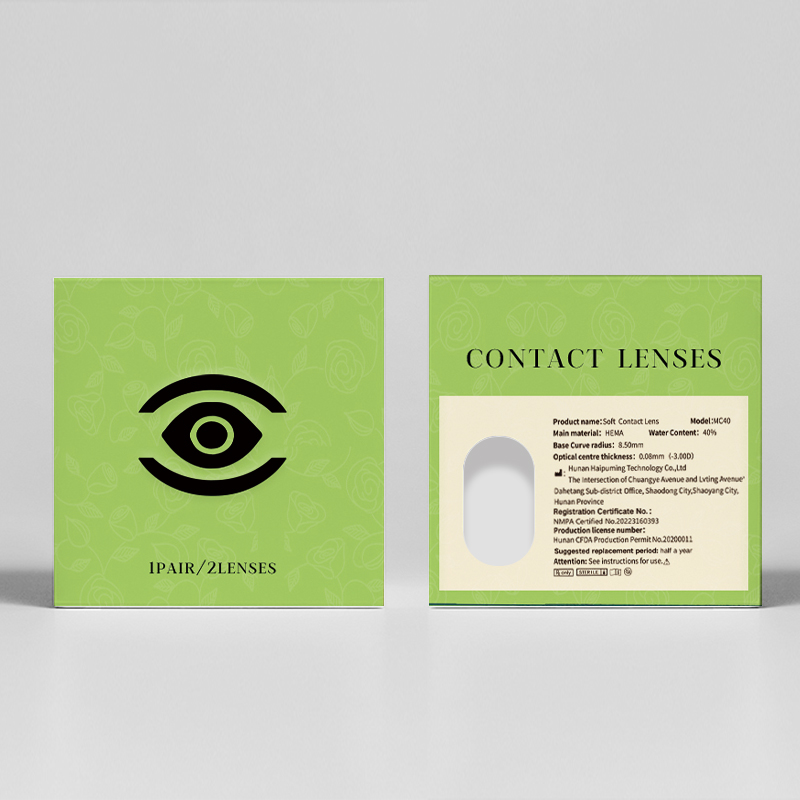
Custom PVC Sliding Drawer Packaging Box System
- Rigid Board + PVC
- Embossing Ready
- Low MOQ (100 pcs)
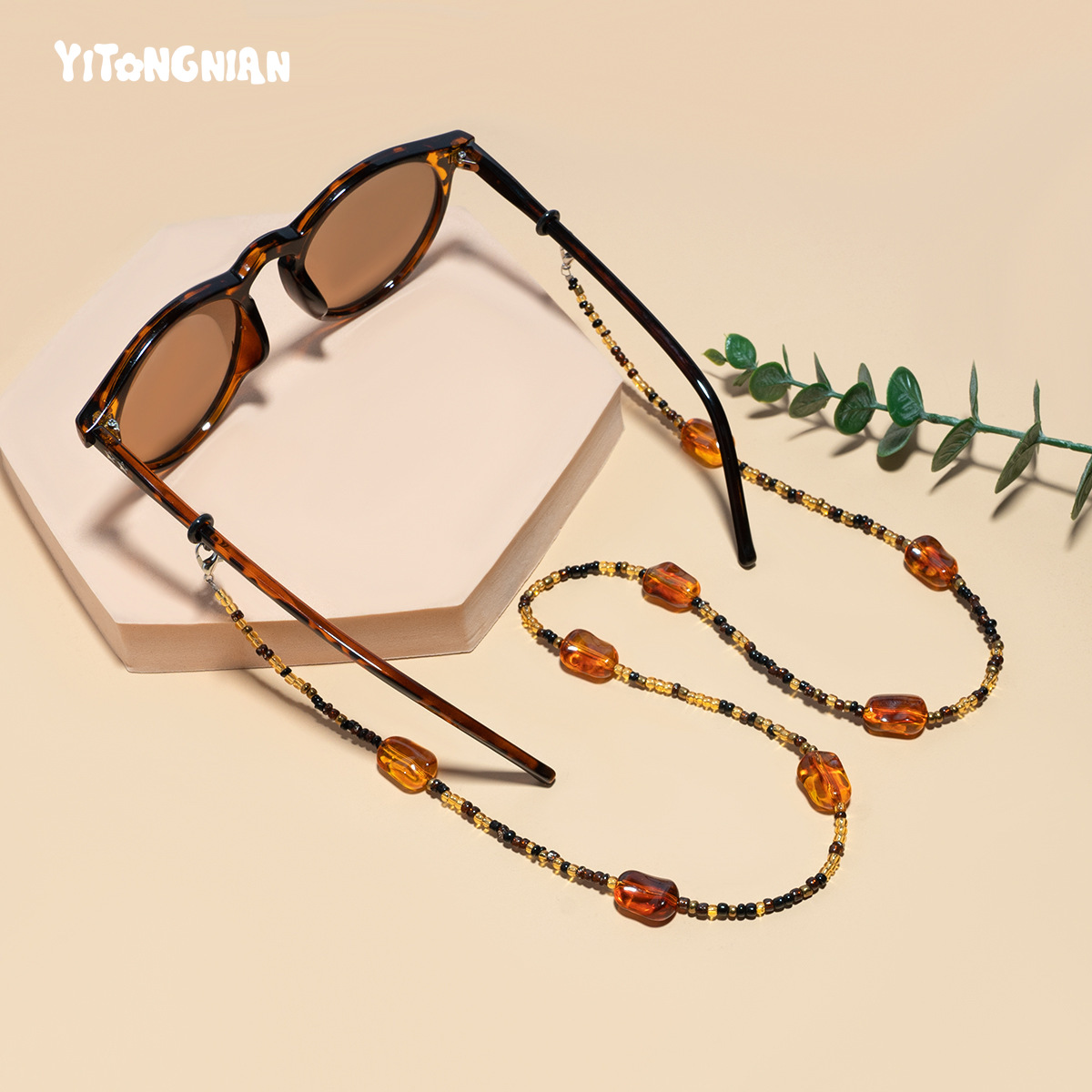
Retro Tortoiseshell Pattern Beaded Eyewear Chain
- Eco-Acetate Beads
- Anti-Slip Clasp
- Hypoallergenic
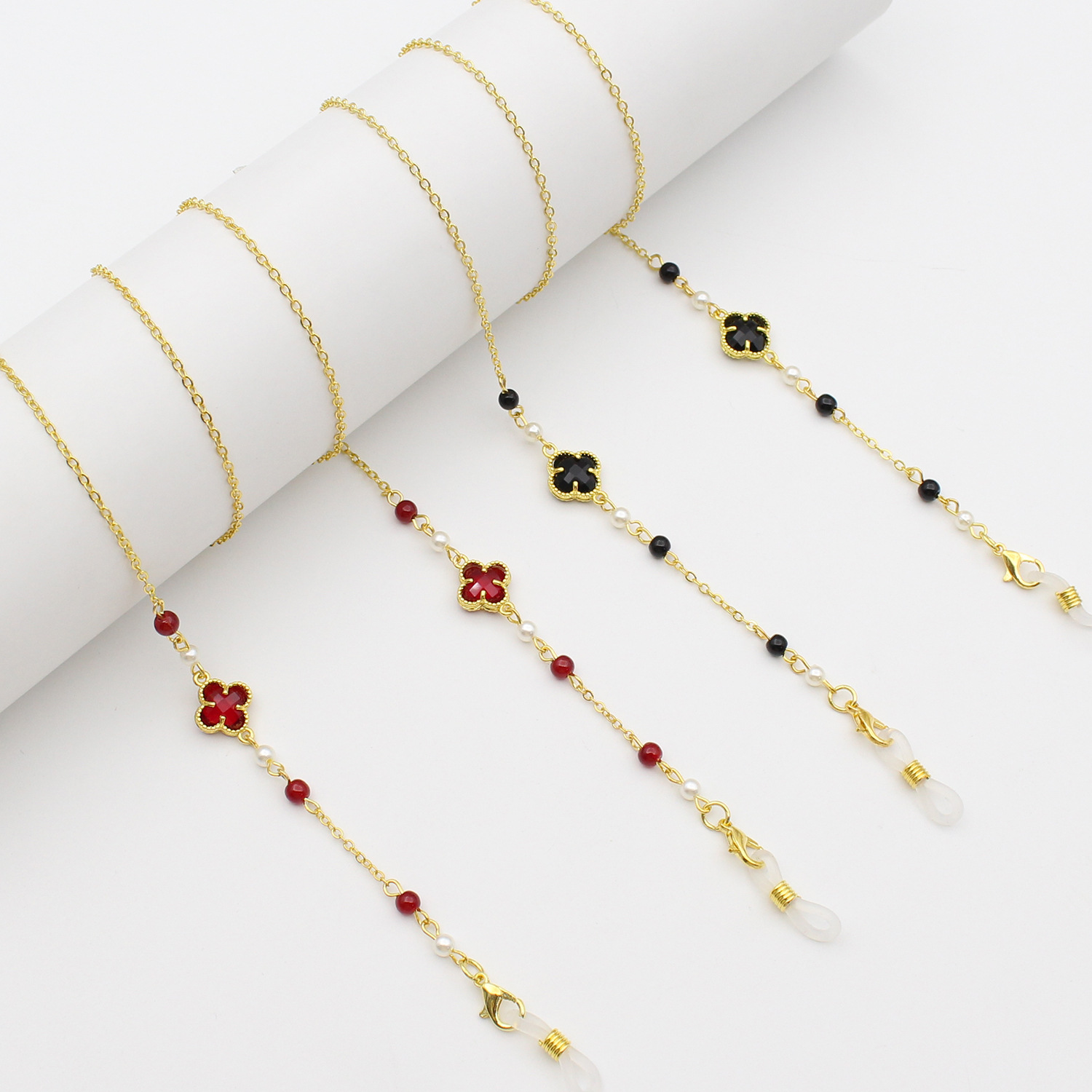
2-in-1 Crystal Four-Leaf Clover Eyewear Chain
- Polished Alloy
- Dual-use Design
- Fashion Eyewear Match
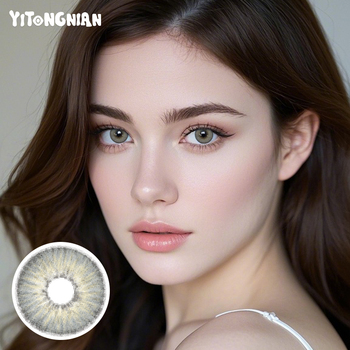
Three-Tone High-Def Natural Color Contact Lenses
- 14.5mm Dia
- 40% Water Content
- Sandwich Dot Matrix
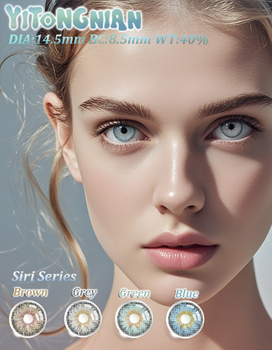
High-Oxygen Silicone Hydrogel Soft Cosmetic Lenses
- Si-Hy Substrate
- Extended Comfort
- High Dk/t Permeability
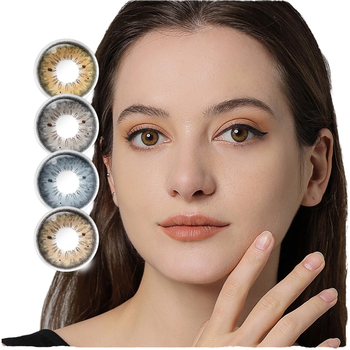
Theatrical & Cosplay Vibrant Graphic Contact Lenses
- Opaque Micro-Pigment
- High Color Fastness
- Plano & Prescription
Established Year
Dedicated Specialists
Proprietary SKUs
Batch Verification
The Engineering Behind China's Contact Lens Manufacturing Supremacy
How automation, polymer chemistry, and rigorous medical device compliance propelled Chinese optical manufacturing to the pinnacle of the global cosmetic eyewear supply chain.
Over the past decade, the manufacturing paradigm for cosmetic and fashion contact lenses has undergone a monumental shift. What was once predominantly an artisanal Korean and Taiwanese contract-manufacturing sector has now firmly anchored its industrial hub in mainland China. China's top fashion contact lens factories have moved far beyond pure cost-arbitrage, evolving into ultra-sophisticated biomedical ecosystems defined by high-precision cast molding, multi-layer dot-matrix encapsulation, and biocompatible material synthesis.
Historically, the major hurdle facing colored contact lens distributors was user comfort and corneal hypoxia. Traditional colored lenses often suffered from pigment leakage or poor surface wettability because pigments were printed directly onto the anterior or posterior surface of the hydrogel. Today, leading Chinese facilities employ proprietary Micro-Pigment Encapsulation Technology (commonly referred to as the Sandwich Method). Under this manufacturing standard, biomedical colorants are hermetically sealed between two layers of raw HEMA (2-hydroxyethyl methacrylate) or silicone-hydrogel polymer networks. The colored matrix never comes into direct physiological contact with corneal epithelial tissues or palpebral conjunctiva, completely eradicating ocular irritation and pigment leaching risks while meeting stringent CE, ISO 13485, and US-MDR medical device benchmarks.
Furthermore, fully automated cleanroom casting systems have replaced legacy lathe-cutting for cosmetic mass production. Fully integrated robotic production lines yield cast-molded lenses with phenomenal reproducibility—maintaining base curve (BC) tolerances within ±0.02 mm and center thickness (CT) consistency at 0.08 mm. This precision ensures that optical retailers and direct-to-consumer (DTC) brands can scale catalog offerings without facing the batch-to-batch variation, edge-profile defects, or irregular astigmatic artifacts that historically troubled the cosmetic lens sector.
Future Sourcing & Procurement Trends (2025–2030)
Actionable strategic foresight for inventory planners, DTC eyewear brands, and regional optical distributors.
1. Shift to Silicone-Hydrogel Formulations
While poly-HEMA hydrogels (38%-40% water content) dominate price-sensitive segments, international B2B buyers are aggressively transitioning toward silicone-hydrogel substrates. High Dk/t values (oxygen transmissibility exceeding 80 units) enable all-day wear without limbal hyperaemia, enabling brands to price retail units at premium health-and-wellness price points.
2. Rapid Replacement Cycles: Daily Disposables
Although yearly and monthly replacement options remain staple high-margin items for developing markets, mature markets in North America and Western Europe demonstrate an accelerating procurement volume for daily disposable (1-Day) cosmetic lenses. Importers are leveraging China's ultra-low unit cost for blister packaging to unlock high-frequency recurring revenue.
3. Hybrid Ecosystem & Cross-Category Merchandising
Progressive buyers no longer procure contact lenses in isolation. Modern DTC and boutique optical retailers bundle fashion contact lenses with coordinating lifestyle accessories—including custom UV400 polarized shades, boutique spectacle chains, and bespoke acrylic countertop fixtures to curate comprehensive "eye-styling" lifestyle packages.
Material Comparison Matrix: Sourcing Specifications
Engineered parameters utilized across our verified production facilities for global distributor orders.
| Specification Feature | Standard Hydrogel (HEMA) | Silicone Hydrogel (Si-Hy) | Theatrical / Themed Cosplay |
|---|---|---|---|
| Oxygen Permeability (Dk/t) | 18 – 24 × 10⁻⁹ | 85 – 110 × 10⁻⁹ | 15 – 20 × 10⁻⁹ |
| Equilibrium Water Content | 38% – 42% | 45% – 55% | 38% – 40% |
| Base Curve (BC) Options | 8.5 mm / 8.6 mm | 8.6 mm / 8.7 mm | 8.5 mm / 8.6 mm |
| Total Diameter (DIA) | 14.0 mm – 14.5 mm | 14.0 mm – 14.2 mm | 14.5 mm – 17.0 mm (Sclera) |
| Recommended Replacement | Monthly / Yearly | Daily / Monthly | Daily / Yearly |
| Regulatory Readiness | CE, ISO 13485, MDD | CE, ISO 13485, FDA 510(k) Ready | CE, ISO 13485, Theatrical Class |
Why International Brands Choose Colorlens Hub
A proven manufacturing partnership built on transparent operations, rigorous third-party certifications, and lean customization flexibility.
Founded in 2019, Colorlenshub Technology Co., Ltd. has scaled into one of the most reliable and innovative export specialists in the soft contact lens and optical merchandising industry. Located in Hunan, China, our 550+ m² operations infrastructure integrates warehouse consolidation, sterility inspection, and professional OEM/ODM branding studios managed by a verified 43-person workforce.
Unlike trading intermediaries that obscure manufacturing lineage, Colorlens Hub has successfully passed thorough on-site supplier assessments conducted by the world's foremost inspection authority, SGS Group. We deliver verifiable compliance files—including CE certificates, ISO 13485 quality management audit trails, and complete MDD regulatory dossiers—to assist distributors navigating entry into highly scrutinized medical device jurisdictions like the European Union, the Americas, and the Middle East.
Our core enterprise differentiators streamline the transition from design concept to market launch:
- Hyper-Flexible Tiered MOQs: Rapid launch capability with in-stock catalog orders starting from just 10 pairs per design, minimizing upfront financial liabilities for testing nascent market verticals.
- In-House Industrial & Graphic Design: Complimentary design studio services for custom-printed blister seals, magnetic PVC drawer cases, luxury cosmetic paper gift boxes, and eco-friendly acrylic optical displays.
- End-to-End Strict Sterility & QC: Independent optical power validation, edge profile microscopy checks, and seal integrity vacuum testing executed on every single batch before cargo dispatch.
Frequently Asked Questions (B2B Buyer FAQ)
Direct technical and operational answers to common procurement questions from optical importers.
What are the baseline MOQs for customized private-label production?
For in-stock catalog lenses with existing packaging, our minimum order quantity starts at just 10 pairs per design. Custom brand printing on secondary packaging (paper folding boxes and slide-out PVC drawer boxes) starts at 100 to 500 units, while customized primary blister-pack foil printing requires project-based evaluations starting at 5,000 to 10,000 pairs depending on the lens parameter complexity.
Do your cosmetic lenses comply with global medical device import standards?
Yes. Our production facilities maintain rigorous quality control frameworks verified by CE marking, ISO 13485 certification, and MDD conformance documentation. Our production and logistics facilities are on-site assessed by the SGS Group. Note that importers are legally required to manage domestic registrations (such as FDA 510(k) in the United States or EUDAMED MDR filings in the European Union); we provide complete technical documentation dossiers to expedite your local regulatory approvals.
Can we request prescription corrective powers alongside plano cosmetic lenses?
Absolutely. A broad segment of our natural three-tone, limbal-ring, and mixed-race cosmetic collections are fully calibrated for prescription powers ranging from 0.00 (Plano) up to -8.00D (in increments of 0.25D up to -6.00D, and 0.50D from -6.00D to -8.00D). Prescription availability varies per pattern, and our engineering team will provide a comprehensive SKU-level availability chart upon initial RFQ review.
What is the typical production and freight delivery timeframe?
In-stock inventory orders are inspected, packaged, and handed over to express freight handlers (DHL, FedEx, UPS, or dedicated air logistics lanes) within 3 to 7 business days. OEM bespoke private-label runs typically take 25 to 35 business days from final digital artwork sign-off to bulk container dispatch, accounting for secondary sterilization cycles and strict quarantine testing.