Curated B2B Product Lines & Commercial Accessories
Direct OEM/ODM catalog selections, medical-grade color contact lenses, and high-conversion retail point-of-sale display hardware.
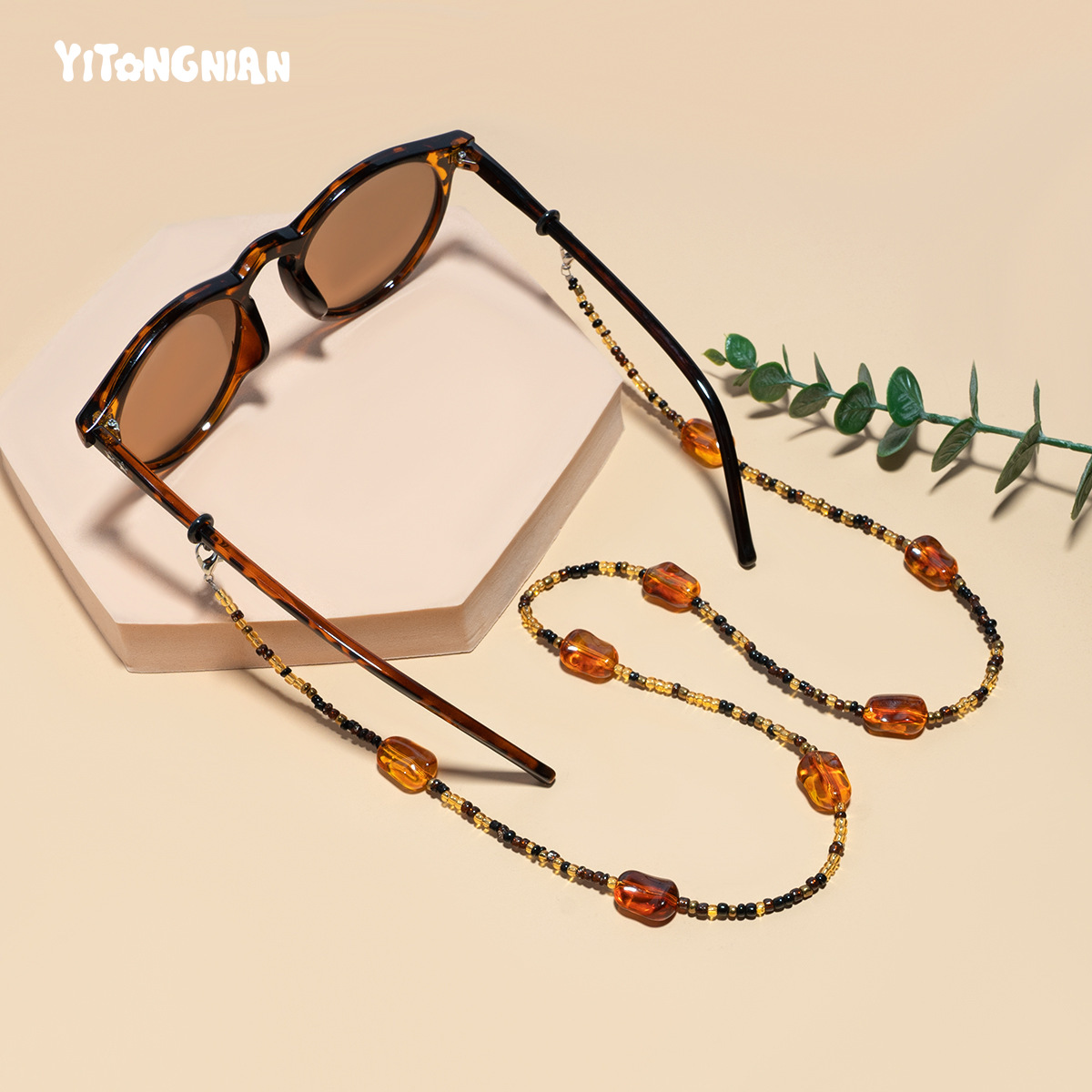
Retro Light Luxury Natural Tortoiseshell Patterned Eyewear Chain
View Product Details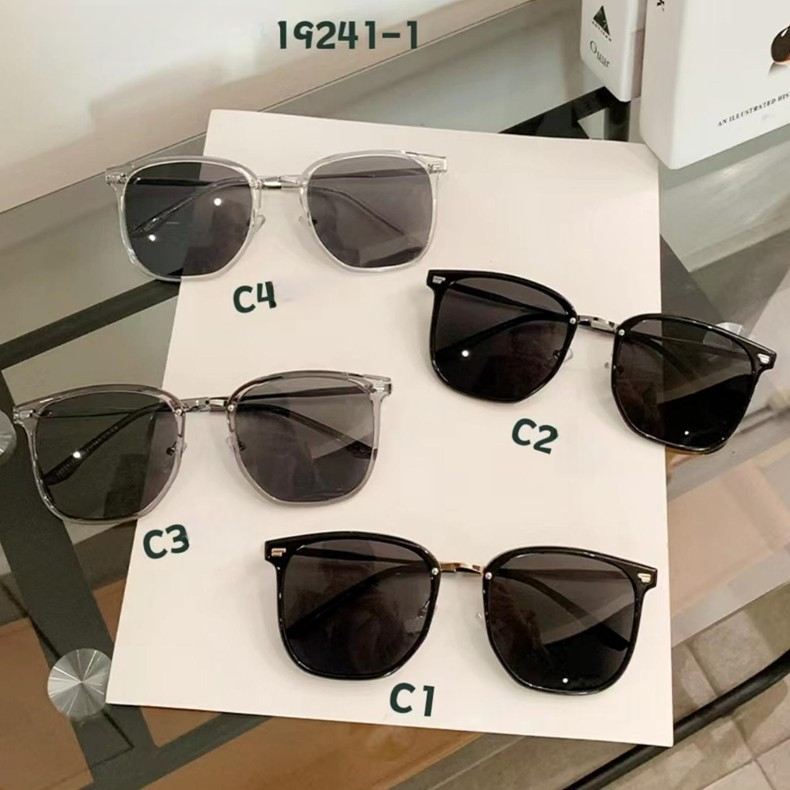
Fashion Street Style Large Frame Polarized UV400 Sunglasses
View Product Details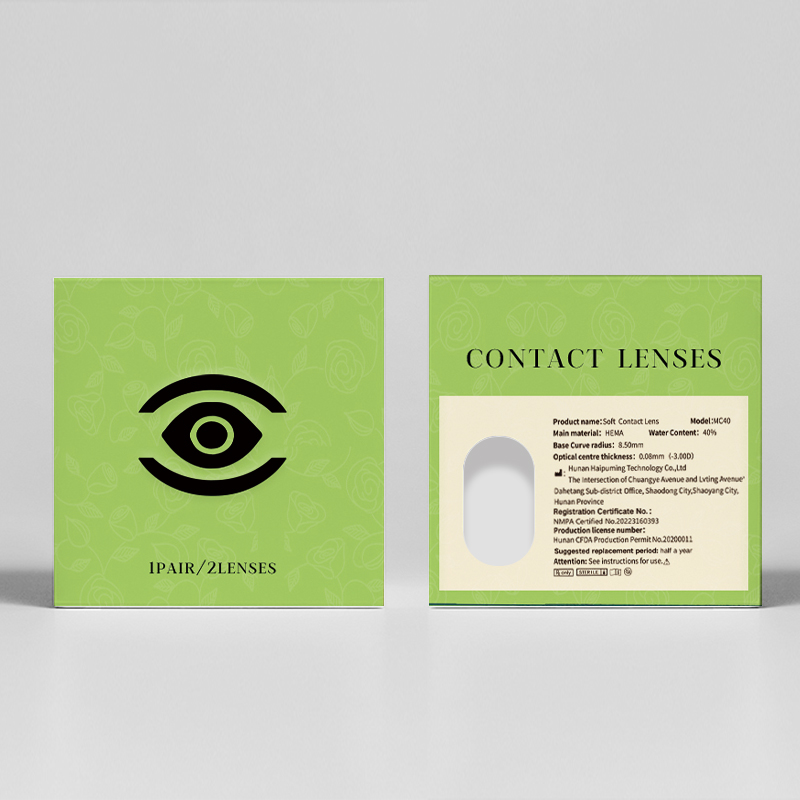
Custom OEM/ODM Rigid PVC Drawer Packaging Box for Eyewear & Lenses
View Product Details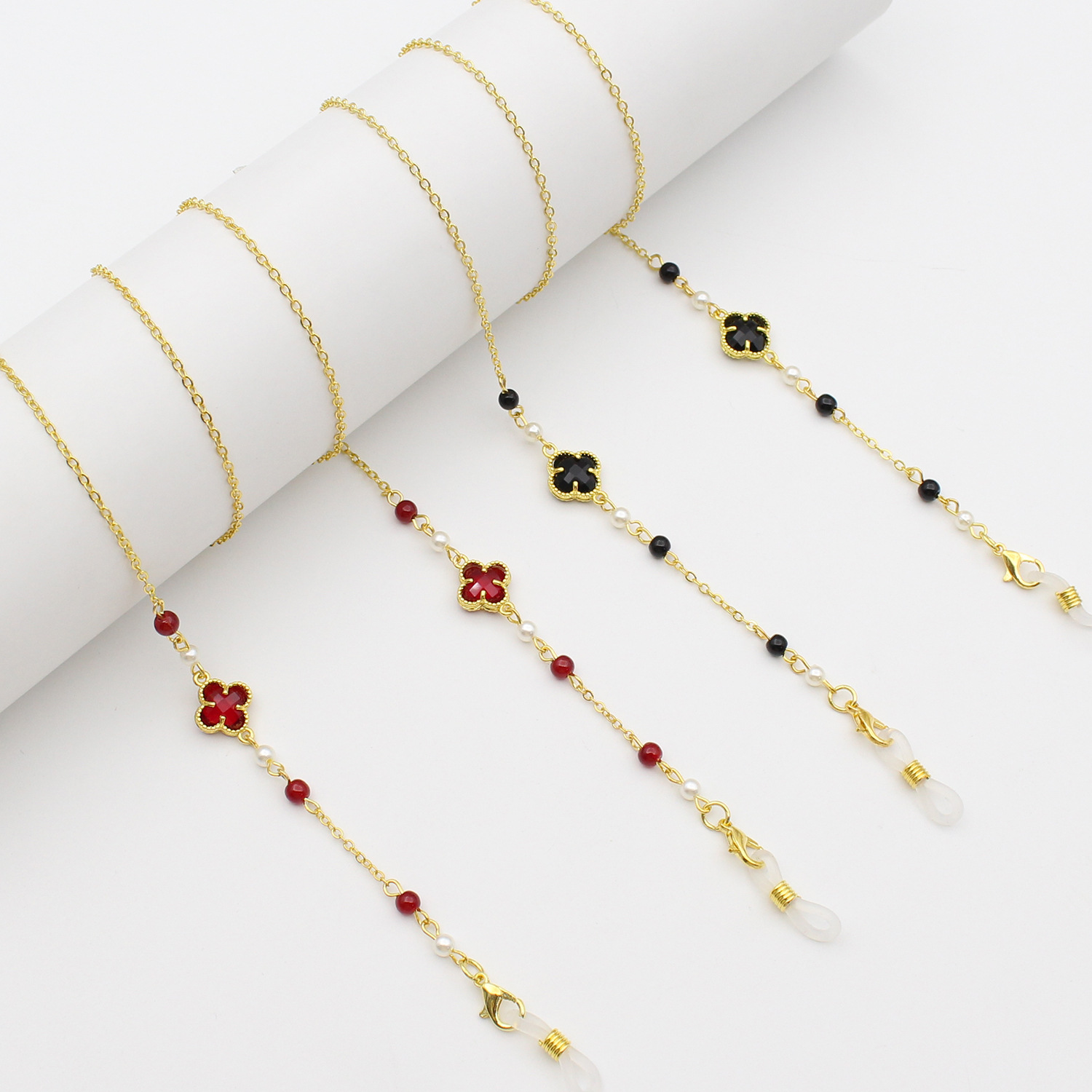
2-in-1 Crystal Four-Leaf Clover Petal Eyeglasses & Sunglasses Chain
View Product Details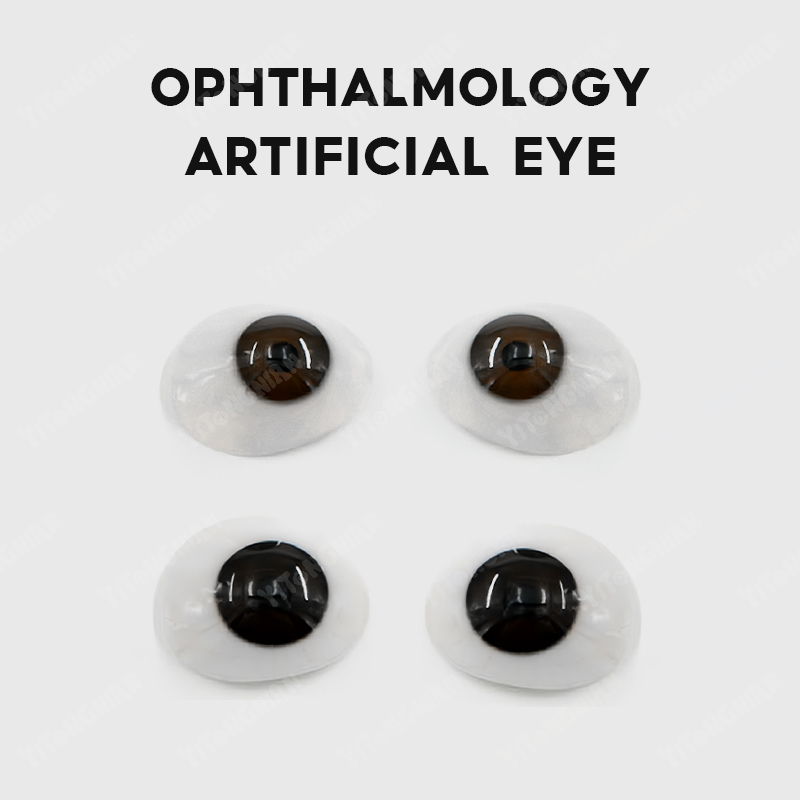
Acrylic Eco-Friendly Color Contact Lens Countertop Display Stand
View Product Details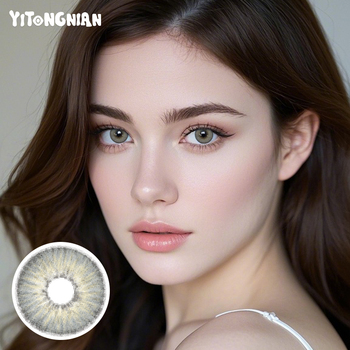
Wholesale Three-Tone Natural Cosmetic Soft Color Contact Lenses
View Series Catalog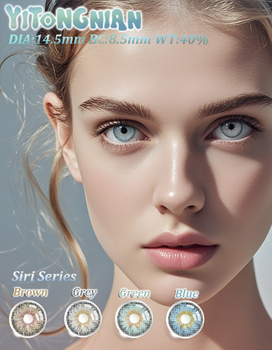
High-Oxygen Permeability Silicone Hydrogel Soft Color Lenses
View Series Catalog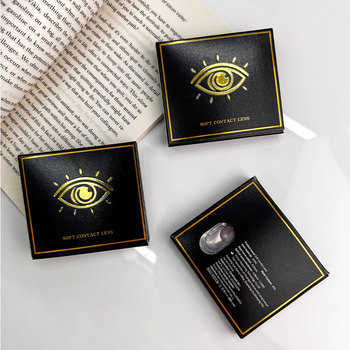
Private-Label Custom Printed Contact Lens Blister Packaging Box
Get CatalogManufacturing Authority & Corporate Competency Overview
In the highly regulated ophthalmic device industry, selecting a qualified B2B contact lens manufacturer requires rigorous evaluation of polymer engineering, sterile manufacturing environments, quality system management, and international compliance. Colorlenshub Technology Co., Ltd. (operating commercially as Colorlens Hub) stands as an industry-leading OEM/ODM manufacturer specializing in soft cosmetic contact lenses, corrective prescription lenses, and customized brand packaging solutions.
Established in 2019, Colorlens Hub has expanded its footprint across key international markets, including North America, Western Europe, South America, the Middle East, and Southeast Asia. Built upon a robust infrastructure verified on-site by SGS Group, the enterprise combines technical precision with flexible commercial terms to empower global optical brands, cosmetic retailers, and cross-border e-commerce distributors.
Class 100,000 Cleanroom Production
Lenses are synthesized, cast-molded, and hydrated within sterile, environmentally monitored cleanrooms adhering strictly to ISO 13485 medical device protocols.
Agile Supply Chain & Low MOQ
Supporting emerging beauty brands with low minimum order quantities starting from 10 pairs for ready-to-ship stock, scaling to high-volume custom OEM runs.
End-to-End Private Labeling
In-house industrial design team providing complimentary artwork for custom blister packaging, paper boxes, slide-out PVC packaging, and countertop display hardware.
Technical Evolution & Product Development Trends in Contact Lens Manufacturing
The global contact lens market is undergoing a paradigm shift driven by material science innovations, advanced color pigmentation technologies, and heightened consumer demand for dual-purpose (cosmetic plus visual correction) daily wear. Understanding these key engineering trends enables brand procurement directors to optimize product line roadmaps effectively.
1. Advanced Silicone Hydrogel Matrix Integration
Traditional hydrogel lenses reliance on water content for oxygen transmissibility ($Dk/t$) poses inherent physical limitations. Modern B2B procurement is rapidly transitioning toward Silicone Hydrogel (Si-Hy) polymers. By embedding siloxane chains into the monomer matrix, oxygen transmissibility is increased up to 4x compared to conventional poly-HEMA materials (elevating $Dk/t$ values from ~15 to >60 $Dk/t$). This allows continuous aerobic corneal respiration, dramatically reducing hypoxic stress, ocular hyperemia, and dryness during extended wear cycles.
2. Sandwich Color Micro-Encapsulation Technology
Safety in colored cosmetic lenses is governed by pigment isolation. Legacy manufacturing techniques printed pigments directly onto lens surface layers, creating potential abrasive friction against corneal tissues or risk of pigment leaching. Next-generation factories utilize Sandwich Micro-Encapsulation Printing. Biocompatible color pigments are embedded between two clear hydrogel monomer layers, ensuring zero direct contact between pigment particulates and ocular tissues while retaining vivid visual vibrancy and structural stability.
3. Fully Automated Wet-Cast Molding Precision
High-yield factories have phased out manual lathe-cutting for soft lens production in favor of fully automated high-precision Cast Molding Systems. Utilizing computer-controlled polymer injection molding, liquid monomer mixtures are photopolymerized under ultraviolet light inside precision optical molds. This process achieves sub-micron edge-profile accuracy, consistent base curve radius ($BC = 8.5\text{mm} - 8.6\text{mm}$), uniform center thickness ($CT \approx 0.08\text{mm}$), and smooth rim geometry essential for tear-film exchange and mechanical wearing comfort.
| Performance Spec / Parameter | Standard HEMA Hydrogel Lenses | High-Oxygen Silicone Hydrogel Lenses | Special FX / Cosplay Lenses |
|---|---|---|---|
| Primary Monomer Matrix | Poly-2-Hydroxyethyl Methacrylate | Fluorosilicone Hydrogel Composite | Cross-linked HEMA Matrix |
| Oxygen Permeability ($Dk/t$) | 15 – 25 $Dk/t$ | 60 – 110 $Dk/t$ | 12 – 18 $Dk/t$ |
| Hydration / Water Content | 38% – 42% | 45% – 55% | 38% – 40% |
| Lens Diameter ($DIA$) | 14.0mm – 14.2mm | 14.0mm – 14.2mm | 14.2mm – 14.5mm (Sclera up to 22mm) |
| Color Pigment Layering | 2-Tone / 3-Tone Sandwich Print | Natural Multi-Layer Micro-Dot | Full-Coverage Opaque Pigment Layer |
| Optical Prescription Range | 0.00 to -8.00 Diopters | 0.00 to -10.00 Diopters | Plano (0.00) Primary Focus |
| Recommended Replacement | Monthly / Yearly | Daily / Monthly | Monthly / Yearly |
Future B2B Procurement Trends & Global Supply Chain Forecast
B2B buyers, beauty chain procurement teams, and cross-border e-commerce brand owners must align their sourcing strategies with evolving regulatory frameworks and market dynamics. Key procurement trends shaping the 2025–2030 horizon include:
Democratization of Agile OEM Private Labeling
The legacy procurement model demanding 10,000-unit per-SKU minimums is rapidly eroding. Fast-fashion beauty brands require agile product testing. Modern OEM suppliers offer modular private labeling—enabling brands to enter the market with low initial capital risk through stock customized packaging (MOQs as low as 100–500 boxes) while scaling smoothly into high-volume custom molded runs.
Stringent Medical Device Compliance (EU MDR & US FDA 510k Focus)
Regulatory enforcement surrounding cosmetic eyewear is tightening globally. In the European Union, the transition from MDD to EU MDR (2017/745) mandates robust clinical evaluation data and post-market surveillance. Similarly, US FDA classification treats all contact lenses—whether corrective or purely cosmetic—as Class II medical devices requiring 510(k) clearance. Leading factories assist global importers by providing standardized technical master files, CE certification documentation, and sterile barrier packaging validation reports.
Eco-Conscious Packaging & Sustainable Sourcing
Environmental sustainability has migrated from consumer preference to enterprise procurement criteria. Manufacturers are replacing virgin plastic blister trays with recyclable secondary paperboard packaging, reduced-plastic slide-out PVC drawer boxes, and FSC-certified paper materials. Reducing volumetric packaging weight also significantly cuts international air freight carbon footprints and logistics tariffs.
Frequently Asked Questions for Global Wholesale Buyers
Essential operational, technical, and logistics answers tailored for B2B procurement directors and brand managers.