Engineered for Clinical Safety, Designed for High Retailing Yield
Explore our SGS onsite-verified contact lenses, diagnostic display assets, and bespoke secondary packaging configurations crafted for global optical chains and independent distributors.
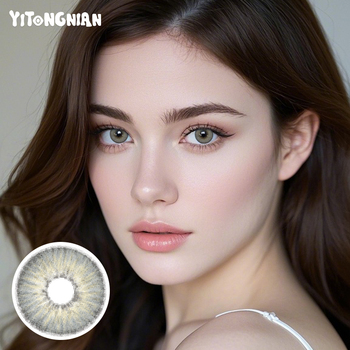
Three-Tone Soft Colored Contact Lenses (Brown/Gray/Green)
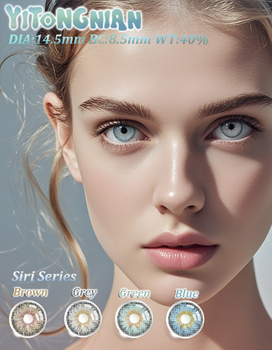
High-Oxygen Silicone Hydrogel Soft Colored Lenses
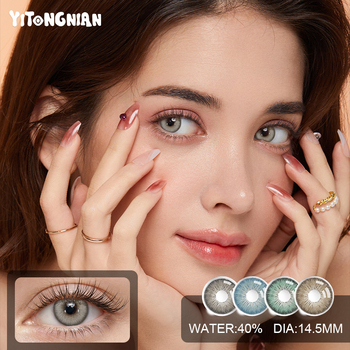
Cosmetic Annual Replacement Soft Colored Contact Lenses
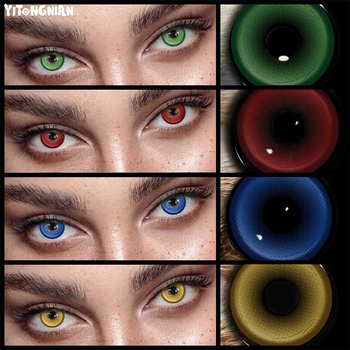
Vivid Red Cosplay & Halloween Soft Specialty Contact Lenses
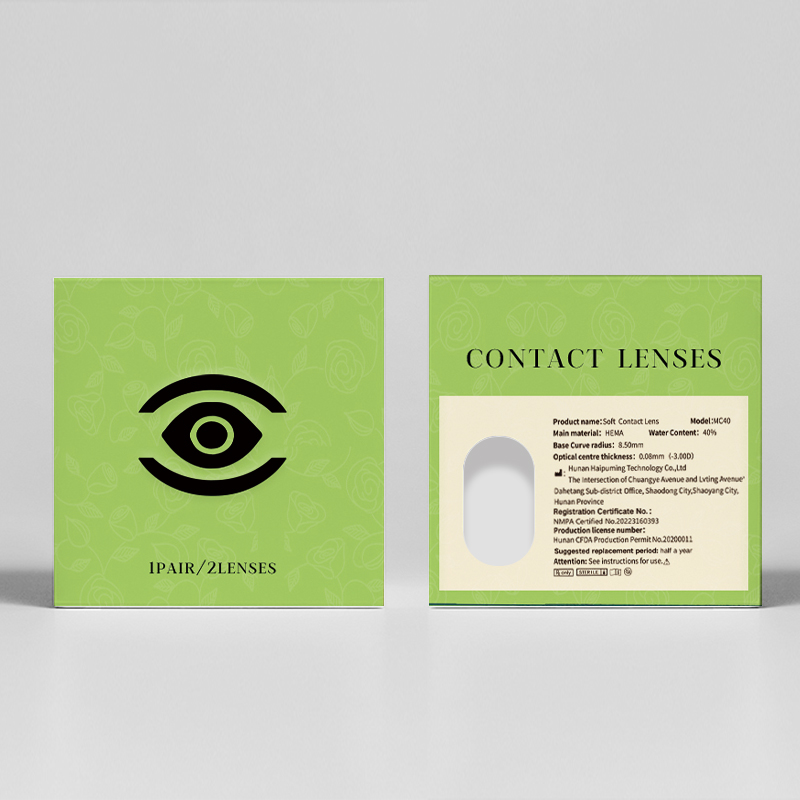
Custom PVC Drawer Packaging Gift Box for Eyewear & Lenses
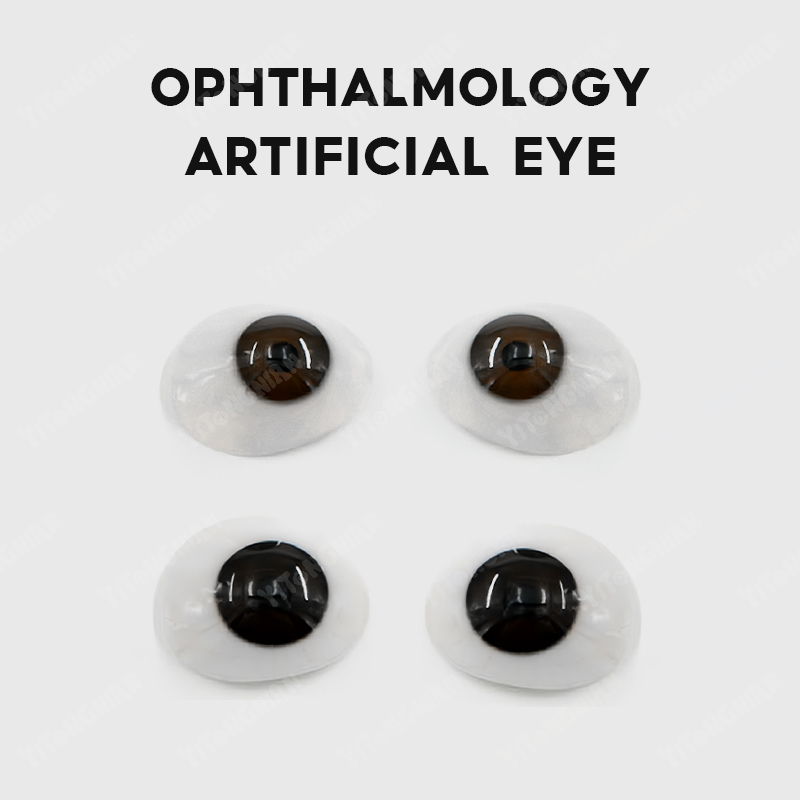
Acrylic Contact Lens Display Stand & Retail Sample Holder
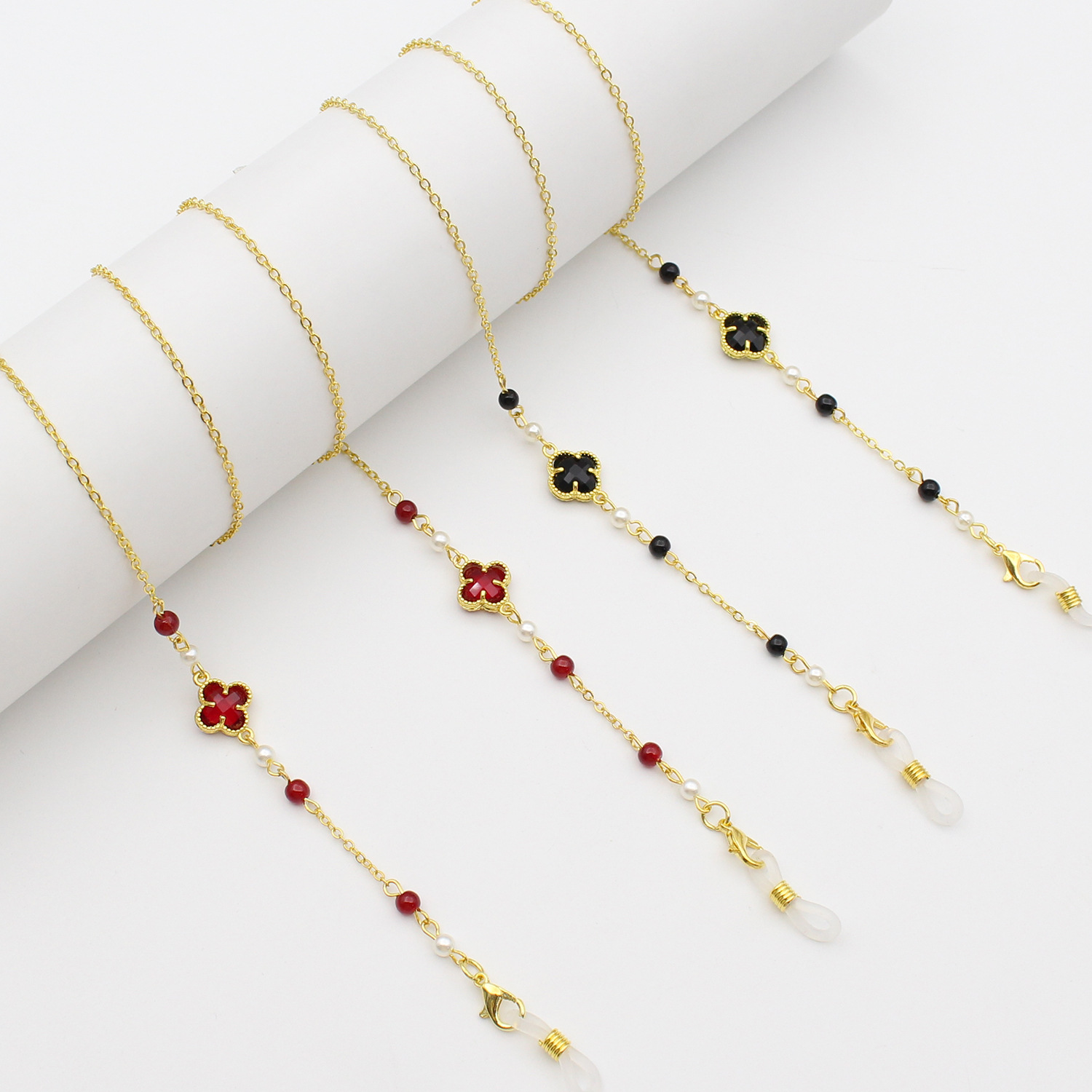
2-in-1 Four-Leaf Clover Petal Crystal Eyewear Chain
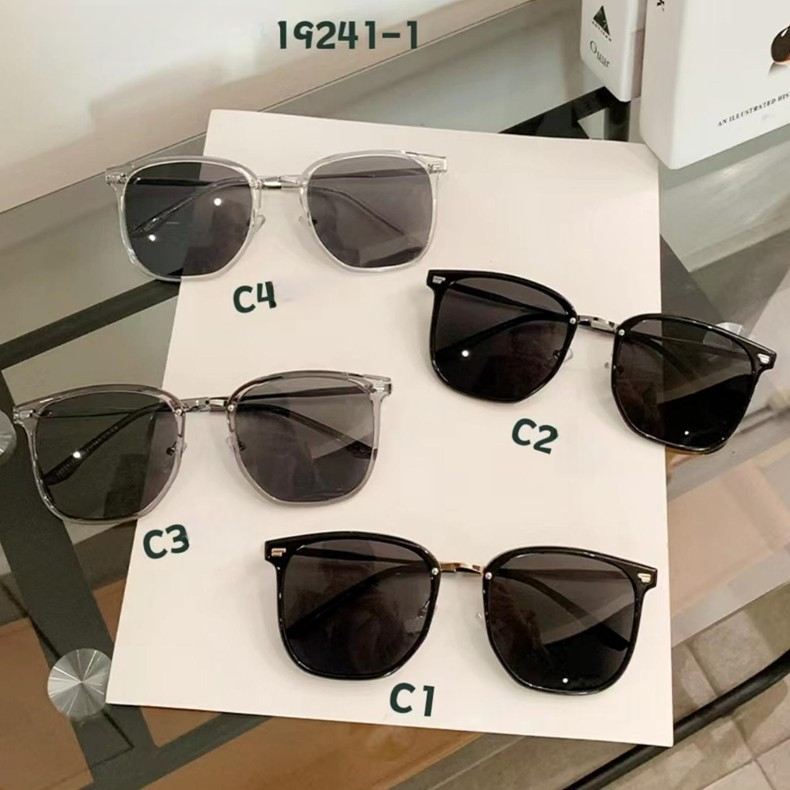
Oversized Polarized Anti-UV Eyewear Sunglasses Collection
Navigating the Global Soft Colored Contact Lens Market: Clinical Standards, Pigment Safety & Scalable Procurement
The global trade in cosmetic and corrective soft colored contact lenses has transitioned from a niche, seasonal cosmetic novelty into a high-margin, clinically governed segment of the global optical industry. Modern consumers demand lenses that not only provide hyper-realistic anatomical depth—achieved through sophisticated three-tone color layering and biometric iris stippling—but also satisfy strict physiological requirements for ocular surface health. As a Class II (US FDA) and Class IIb (EU MDR) medical device, sourcing colored contact lenses demands deep technical vetting of polymer substrates, encapsulation bioprocesses, oxygen transmissibility indices, and international supply chain compliance.
For B2B procurement officers, private-label brand architects, and regional distributors, navigating supplier landscapes requires an intricate understanding of polymer chemistry, mold replication fidelity, and the regulatory barriers defining major consumer markets. The difference between rapid commercial scale and catastrophic customs detentions lies in selecting verified manufacturing partners whose processes transcend cosmetic assembly to encompass audited cleanroom cast-molding, rigorous biological safety validations, and end-to-end documentary traceability.
1. Biomaterial Architecture & The Micro-Encapsulation Paradigm
A critical determinant of safety in soft colored contact lenses is pigment isolation technology. Direct surface printing of pigments presents substantial clinical hazards, including epithelial micro-abrasions, conjunctival hyperemia, and ocular pigment leaching under the mechanical shear stress of eyelid blinking. Premier manufacturers deploy sandwich micro-encapsulation technology (also termed embedded tinting or dual-layer casting), where non-toxic biological colorants (such as iron oxides, titanium dioxide, and phthalocyanine derivatives) are embedded hermetically between two ultra-thin layers of hydrogel polymer.
Furthermore, substrate selection balances hydration, mechanical lubricity, and cellular oxygenation. While traditional poly-HEMA (2-hydroxyethyl methacrylate) hydrogels provide predictable swelling ratios, reliable shape retention, and economic manufacturing parameters (typically 38% to 42% water content with low lipid deposition), the industry is seeing an aggressive shift toward Silicone Hydrogel (Si-Hy) co-polymers. By incorporating fluorosilicone macromers, Si-Hy matrices achieve oxygen transmissibility ratings (Dk/t) exceeding 80 to 120 Barrers/cm, bypassing the physical oxygen barrier intrinsic to pure water phases and mitigating the risk of corneal hypoxia and limbal vascularization during extended daily wear cycles.
Cast-Molding Automation
Utilizing high-precision digital CNC steel molds and virgin polypropylene sub-molds ensures sub-micron surface smoothness, zero edge-burr formation, and uniform sagittal depth across mass production runs.
Pigment Biocompatibility
Cosmetic pigments are strictly locked within the core matrix, preventing direct contact with the delicate corneal epithelium while keeping the optical aperture free of distortion.
Lubricious Edge Profiling
Advanced multi-curve peripheral geometry facilitates continuous tear-film exchange during dynamic blink intervals, preventing lens adherence and debris accumulation.
2. Future Procurement Trends: Where the B2B Market is Moving
Strategic purchasing requires anticipating clinical, behavioral, and technological disruptions. Institutional distributors and venture-backed optical retailers are adjusting their forward contracts around four structural trends reshaping the contact lens sector:
A. Accelerated Transition Toward Daily Disposable (1-Day) Modalities: While monthly and annual replacement regimes maintain massive cost-efficiency advantages in price-sensitive emerging markets, premium consumer segments in North America, Western Europe, and East Asia are shifting toward 1-Day daily disposable colored lenses. Daily modalities dramatically drop rates of microbial keratitis, eliminate compliance-dependent cleaning solutions, and provide higher customer lifetime value (LTV) through recurring subscription replenishment business models.
B. High-Definition Multi-Layer Dot Matrix Printing: Flat, cartoonish graphic patterns have become obsolete in the retail market. Sourcing demand has pivoted toward multi-layered, microscopic irregular dot patterns mimicking physiological human stroma. Integrating subtle limbal transitions with hazel/honey inner pupillary rings delivers high pigment opacity on dark brown irises without looking artificial under intense daylight.
C. Comprehensive Optical Power Spreads (Plano to High Myopia & Toric): Colored lenses are no longer exclusively cosmetic plano (0.00 power) accessories. Modern buyers expect suppliers to maintain off-the-shelf inventory covering myopic corrections from -0.50D to -8.00D (in 0.25D and 0.50D steps). Sourcing partners capable of executing customized colored toric lenses for astigmatism (combining prism ballasting with pattern orientation) capture uncontested market premiums.
D. Turnkey Private-Label Ecosystems: Optical importers increasingly avoid fragmented vendor models where lenses, blister packaging, carton print, and marketing assets are brokered through separate entities. Suppliers offering vertically integrated packaging—from sterile ultrasonic foil blisters to bespoke luxury PVC drawer boxes and retail acrylic merchandising displays—slash brand go-to-market cycles from nine months down to several weeks.
3. Future Product Innovations: The Technological Roadmap
Research and development pipelines within Tier-1 contact lens fabrication centers are expanding beyond traditional aesthetic alterations into multifunctional ocular technologies. Prospective B2B buyers should monitor three emerging material frontiers:
| Technology Frontier | Material / Technical Mechanism | Target Market & Clinical Value | Commercial Horizon |
|---|---|---|---|
| Smart Chromatic & Photochromic Lenses | Reversible photochromic dyes responding dynamically to UV/HEV light irradiance. | Outdoor lifestyle & festival markets; automatic transition from subtle tint to intense graphic protection. | Active Pilot Sampling |
| HEV Blue-Light & UV400 Filtering | Polymer-bound benzotriazole blockers filtering 380–450nm high-energy visible rays. | Digital screen workers, everyday urban consumers seeking photoprotective aesthetic eyewear. | Commercial Scale (In Catalog) |
| Biomimetic Phosphorylcholine (MPC) Hydrogel | Zwitterionic polar headgroups attracting and holding water layers to resist protein fouling. | Dry-eye sufferers; significantly extends comfortable wear time past 12–14 hours continuously. | Mainstream Expansion |
| Micro-Ocular Display Integration | Embedded transparent conductive pathways and micro-LED apertures for AR display. | Enterprise heads-up display, industrial navigation, and next-generation smart wearable applications. | R&D Phase |
4. Enterprise Manufacturing & Global Supply Chain Advantages
At Colorlenshub Technology Co., Ltd. (Colorlens Hub), we bridge the gap between medical device regulatory manufacturing and high-fashion cosmetic design. Operating since 2019, our infrastructure is built to support the rigorous sourcing requirements of international optical chains, global cosmetic private labels, and high-growth e-commerce powerhouses.
SGS Verified & Certified
Our operations have undergone independent on-site operational verification by SGS Group. Lenses adhere to CE, ISO 13485, and MDD quality architectures with complete Technical Construction Files.
5,000+ Curated SKUs
From hyper-natural three-tone blends and subtle limbal circle designs to vibrant cosplay, Sharingan, and cat-eye sclera models, we maintain extensive stock ready for immediate dispatch.
Agile Trial Procurement
We eliminate inventory risk for emerging brands by offering baseline trial MOQs starting at just 10 pairs per design on in-stock catalog models, with fast-turnaround air courier fulfillment.
Integrated OEM/ODM Service
Beyond lens casting, our in-house graphics division produces tailored secondary packaging: custom PVC drawer gift boxes, printed blisters, solution bottles, cases, and retail display stands.
Our operational facility encompasses over 550 square meters of specialized warehouse logistics, sterile sorting suites, and visual inspection workstations manned by 43 optical technicians, QA inspectors, and private-label specialists. Every batch undergoes strict incoming raw material verification, optical center alignment checks, edge integrity profiling, and post-autoclave visual screening under 10x optical magnification.
Frequently Asked Questions by Contact Lens Importers
What are the minimum order quantities (MOQ) for catalog items vs. custom OEM private label?
What regulatory documentation and certifications do you supply for international customs clearance?
How do you guarantee that colored pigments do not cause corneal irritation or chemical leaching?
What optical parameters, base curves, and water content metrics are standard across your product lines?
What is the standard production and shipping lead time for volume orders?
Can you support multi-category optical sourcing beyond contact lenses?
Connect Directly with Our Optical Engineering & Export Team
Whether you require rapid sampling of our top-selling 3-tone natural lenses, technical compliance dossiers for regional import registration, or end-to-end OEM packaging development, our B2B trade specialists are standing by.
Send an Inquiry