Featured Optical Collections & Commercial Accessories
Laboratory-grade hydrogel lenses, specialized optical display units, and premium eyewear accessories configured for Lima, Arequipa, and Trujillo retail supply chains.
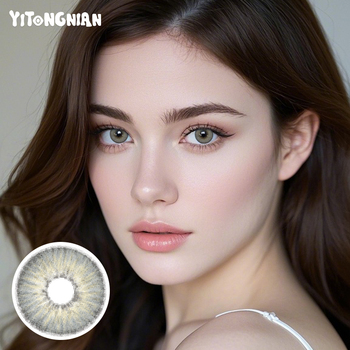
Three-Tone Natural Cosmetic Contact Lenses
- 14.5 mm DIA
- 40% Water
- HEMA Hydrogel
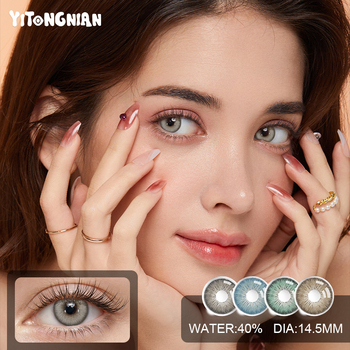
Annual Ultra-Thin Cast-Molded Colored Lenses
- 0.08 mm CT
- 8.5 mm BC
- Annual Wear
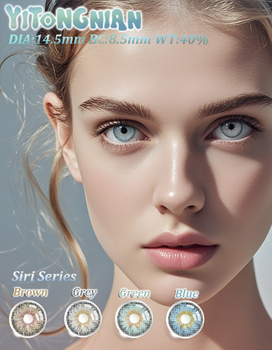
High-Oxygen Silicone Hydrogel Colored Lenses
- High Dk/t
- Extended Comfort
- Biocompatible
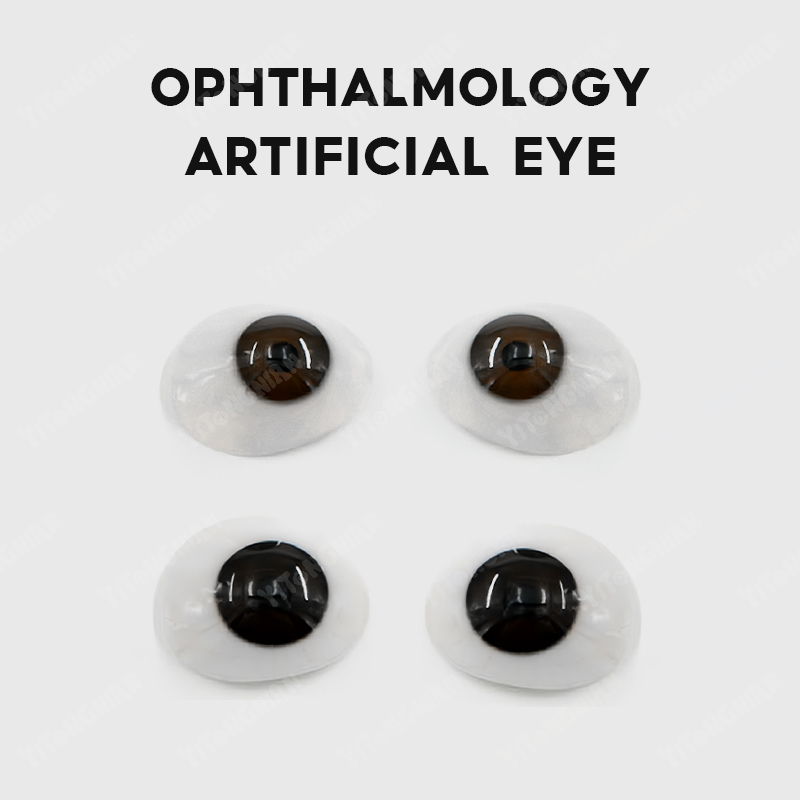
Acrylic Clinical Counter Display Stand
- Eco-Friendly Acrylic
- Modular Tiered
- POS Clinical
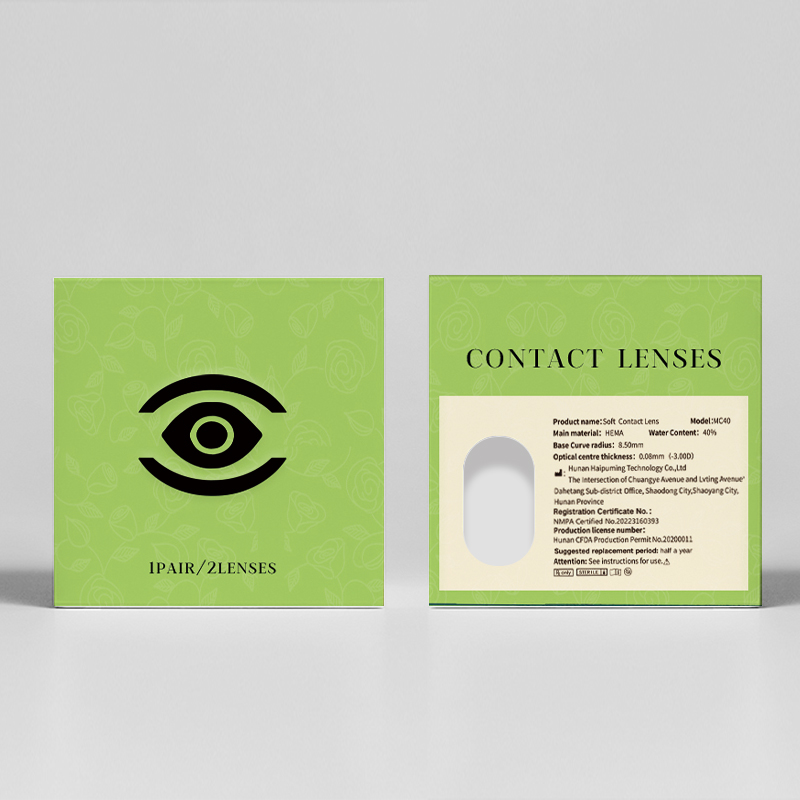
Custom Rigid PVC Drawer Box with Foil Logo
- Custom Die-cut
- Brand Customization
- Protective Foam
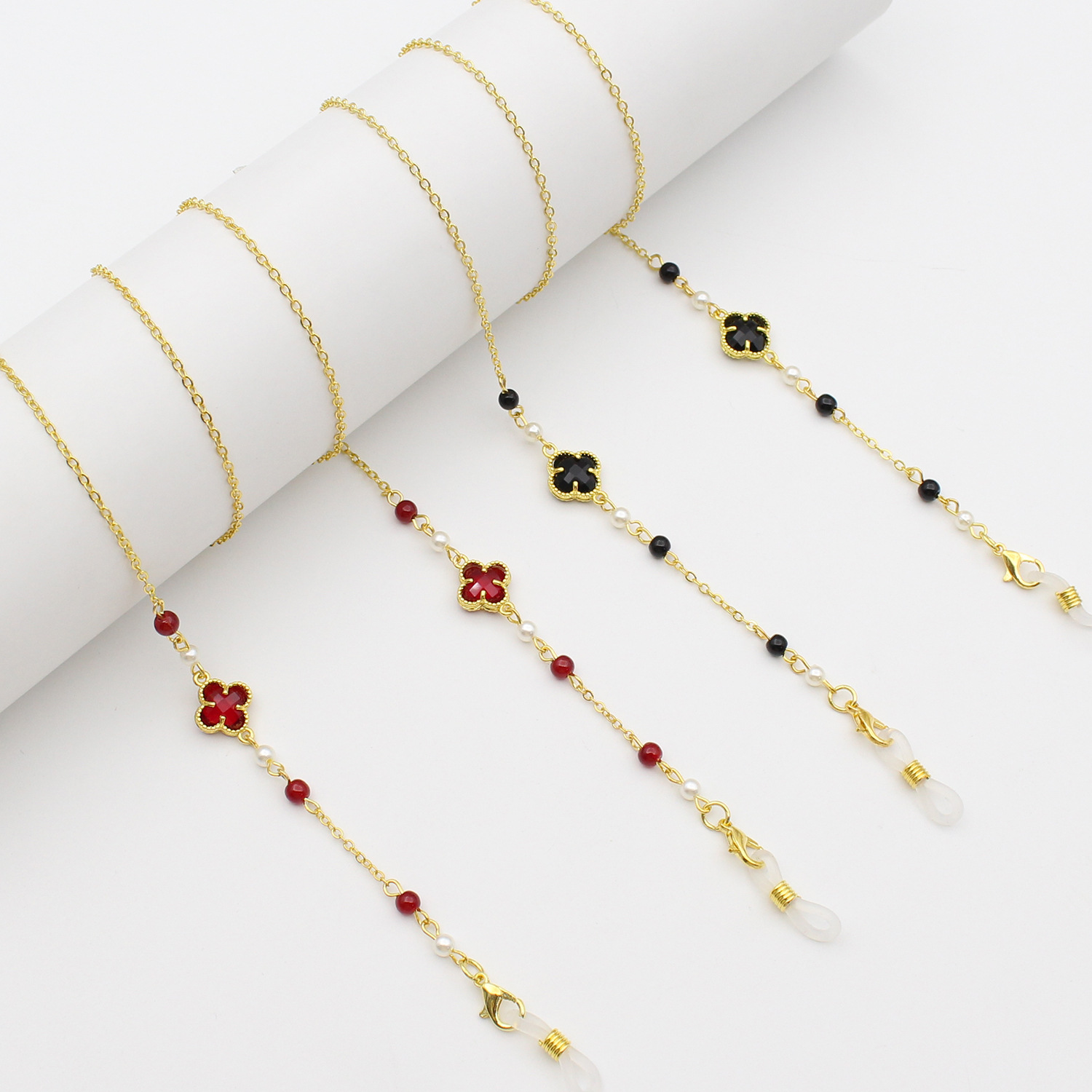
2-in-1 Four-Leaf Clover Crystal Eyewear Chain
- Anti-Tarnish Alloy
- Dual Function
- Boutique Grade
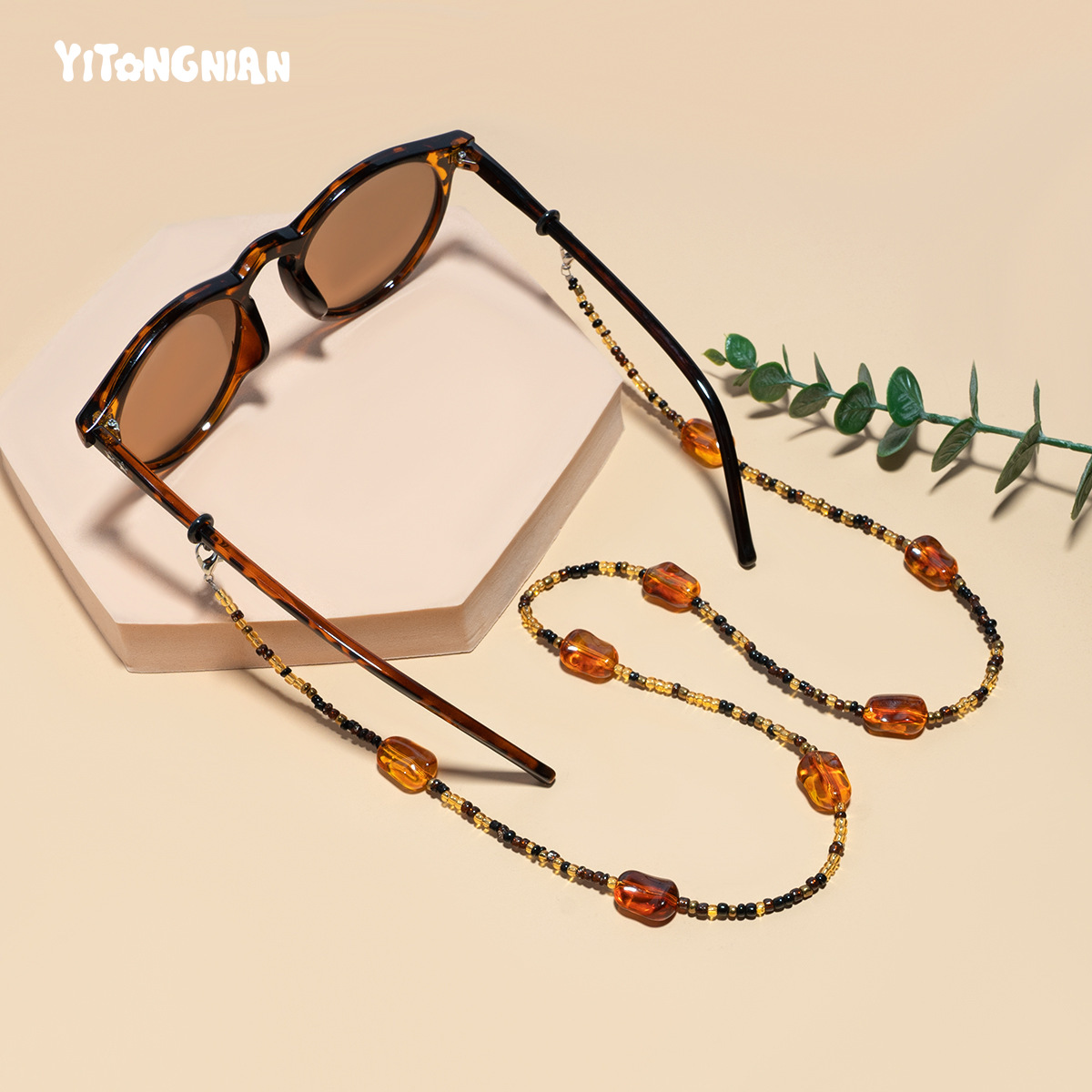
Retro Tortoiseshell Bead Anti-Slip Cord
- Ergonomic Loops
- High-Grade Resin
- Non-Slip Grip
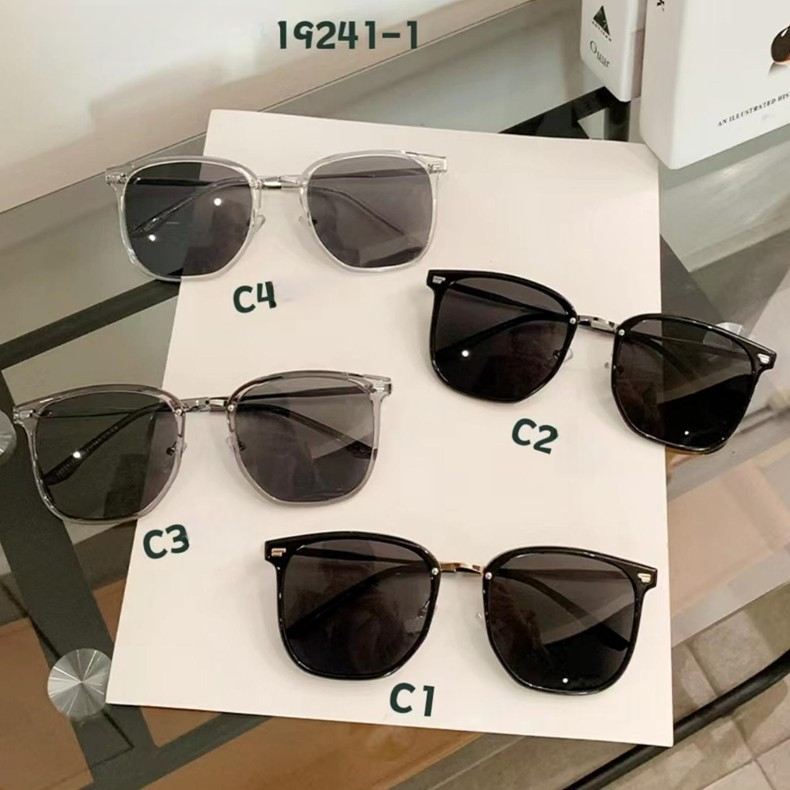
Polarized Street-Style Large Frame Eyewear
- TAC Polarized
- UV400 Protection
- Polycarbonate
Comprehensive Strategic Whitepaper: Selecting a Certified Contact Lens Manufacturer for Peru
Entering or scaling an optical and cosmetic distribution business in the Republic of Peru presents extraordinary commercial opportunities paired with stringent technical oversight. The Peruvian optical sector has experienced rapid compound annual growth over recent years, stimulated by rising disposable income in metropolitan hubs such as Lima, Arequipa, Trujillo, and Chiclayo. Concurrently, consumers across Latin America have transitioned from seeing contact lenses merely as refractive corrections to embracing them as essential personal style and cosmetic enhancements.
However, importing contact lenses into Peru requires strict navigation through regulatory frameworks managed by the General Directorate of Medicines, Supplies, and Drugs (DIGEMID - Dirección General de Medicamentos, Insumos y Drogas), an agency under the Ministry of Health (MINSA). As Class II or Class III medical devices depending on specific optical classifications and wear schedules, soft hydrophilic contact lenses cannot be treated as ordinary consumer goods. Working with an experienced, CE-certified manufacturer equipped with verifiable international documentation is the decisive factor between swift customs clearance and catastrophic port confiscation.
DIGEMID Regulatory Dossiers
Navigating sanitary registrations (Registro Sanitario) demands rigorous batch records, ISO 13485:2016 technical files, Free Sale Certificates (FSC), and complete biocompatibility reports conforming to ISO 10993 cytotoxicity and ocular irritation benchmarks.
Advanced Polymer Engineering
Lenses manufactured via state-of-the-art cast-molding guarantee zero edge burrs, consistent sag values (sagittal depth), controlled center thicknesses (~0.08mm), and non-leaching Sandwich Printing technology that locks pigment layers completely away from corneal tissue.
Callao Customs Logistics
Strategic export management directly coordinates cold-chain or climate-monitored air cargo to Jorge Chávez International Airport (LIM) or consolidated ocean freight into Puerto del Callao, backed by authenticated certificates of analysis (CoA) for immediate release.
Peruvian Market Localization & Clinical Application Scenarios
A granular understanding of Peruvian demographics, optical anatomy, and cultural events is essential for brand owners seeking high product velocity. Sourcing managers must evaluate how distinct lens parameters map to specific consumer segments across coastal, Andean, and urban regions:
- Everyday Natural Iris Modulation for Dark Corneas: The predominant corneal color in Peru falls within the dark brown spectrum (Munsell Hue 2.5YR to 10R). Ordinary western-market colored lenses with translucent, single-layer tints frequently fail to show noticeable color changes or appear unnatural against dark irises. Our three-tone matrix prints incorporate high-opacity micro-dot pigment rings with warm hazel, honey brown, and deep olive gradients that seamlessly blend with native iris patterns for everyday professional wear in corporate Lima.
- Myopia Refraction with Aesthetic Appeal (Rx Range 0.00 to -8.00): Over 34% of urban Peruvian young adults require vision correction. Supplying purely cosmetic (plano) lenses leaves significant market share untapped. Our automated power-casting lines produce diopter ranges from -0.50 to -8.00 in 0.25D/0.50D increments, enabling optical practices (ópticas) to offer clinical vision correction alongside cosmetic enhancement.
- Seasonal Retail Surges: Halloween, Comic-Con & Fiesta Retail: The demand for dramatic cosplay, Sharingan anime prints, and white-mesh or cat-eye special-effects spikes dramatically between September and early November in Peru. Supplying certified, safe cosmetic lenses through fashion boutiques and specialized e-commerce platforms generates rapid cash turnover when scheduled alongside back-to-university marketing campaigns.
- Arid Coastal and High-Altitude Microclimates: Coastal Lima features persistent coastal dampness coupled with industrial urban dust, while high-altitude inland cities like Cusco and Arequipa present low ambient humidity and intense ultraviolet exposure. Hydrogel contact lenses must maintain optimal hydration dynamics (38% to 40% water content) to avoid excessive tear absorption, while integrated Class II UV blocking layers filter over 70% UVA and 95% UVB radiation.
| Technical Parameter | Clinical Specification | Peruvian Distribution Benchmark |
|---|---|---|
| Base Polymer Matrix | Poly-HEMA (2-Hydroxyethyl Methacrylate) / Silicone Hydrogel | Stable tear-film wettability, high tensile tear resistance against handling damage. |
| Water Equilibrium Content | 38.0% – 40.0% | Prevents ocular surface dehydration in both coastal micro-dust and Andean arid settings. |
| Base Curve (BC) & DIA | 8.5 mm – 8.6 mm Base Curve | 14.0 mm – 14.5 mm Diameter | Ergonomically tuned to standard corneal curvature radii, preventing lens decentration and limbal impingement. |
| Pigment Encapsulation | Full Cast-Molded Sandwich Printing Process | Zero pigment migration or direct epithelial contact, ensuring complete DIGEMID sanitary compliance. |
| Sterilization Modality | High-Pressure Steam Autoclave (>121°C for 20+ min) | Sterility Assurance Level (SAL) 10^-6 in individual medical-grade foil blisters or glass vials. |
Key Industry Trends Transforming the Peruvian Optical Marketplace
The Latin American optical market is undergoing a structural transformation. Buyers sourcing contact lenses for retail chains, private beauty lines, or ophthalmological clinics in Peru should align their product strategies with three distinct trends:
1. Shift Toward Private-Label Branding (Marca Propia): Independent optical clinics across Peru are actively migrating away from dominating global multinational brand conglomerates where margin compressions exceed 60%. By launching proprietary private-label lines supported by custom-engineered rigid packaging, clinical drawer boxes, and branded blister foils, Peruvian distributors capture sustainable gross margins ranging between 65% and 80%.
2. Silicone Hydrogel Penetration in Lifestyle Segments: As smartphone and digital device screentime increases among university students and urban professionals in Peru, complaints of digital eye strain and dry-eye sensation have escalated. High-oxygen permeable silicone hydrogel materials with elevated Dk/t values allow prolonged comfort during 12-hour workdays, providing distributors with a justifiable premium retail price tier.
3. Omnichannel Point-of-Sale Merchandising: Contact lenses are inherently tactile and visual. Successful Peruvian optical chains are deploying specialized acrylic countertop display showcases alongside complimentary designer eyewear chains. This turn-key accessory merchandising model significantly elevates average transaction values (ATV) across retail counters.
Why Leading Global Importers Choose Colorlens Hub
Combining direct manufacturing capacity with rigorous quality control systems certified by top international audit bodies.
SGS Onsite Audited Facility
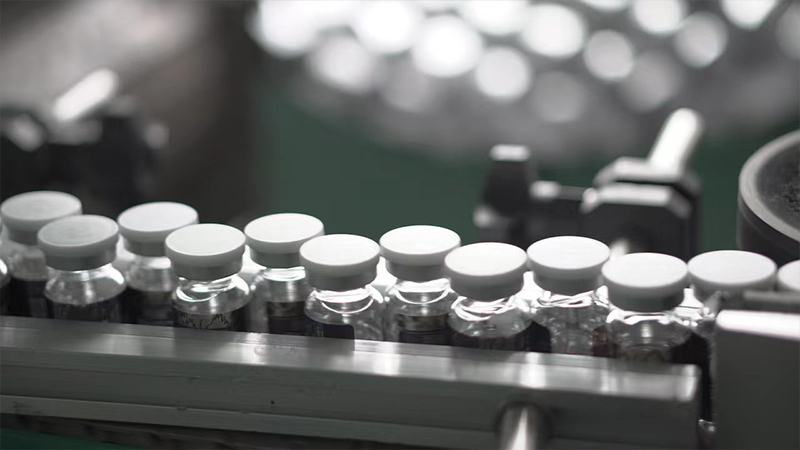
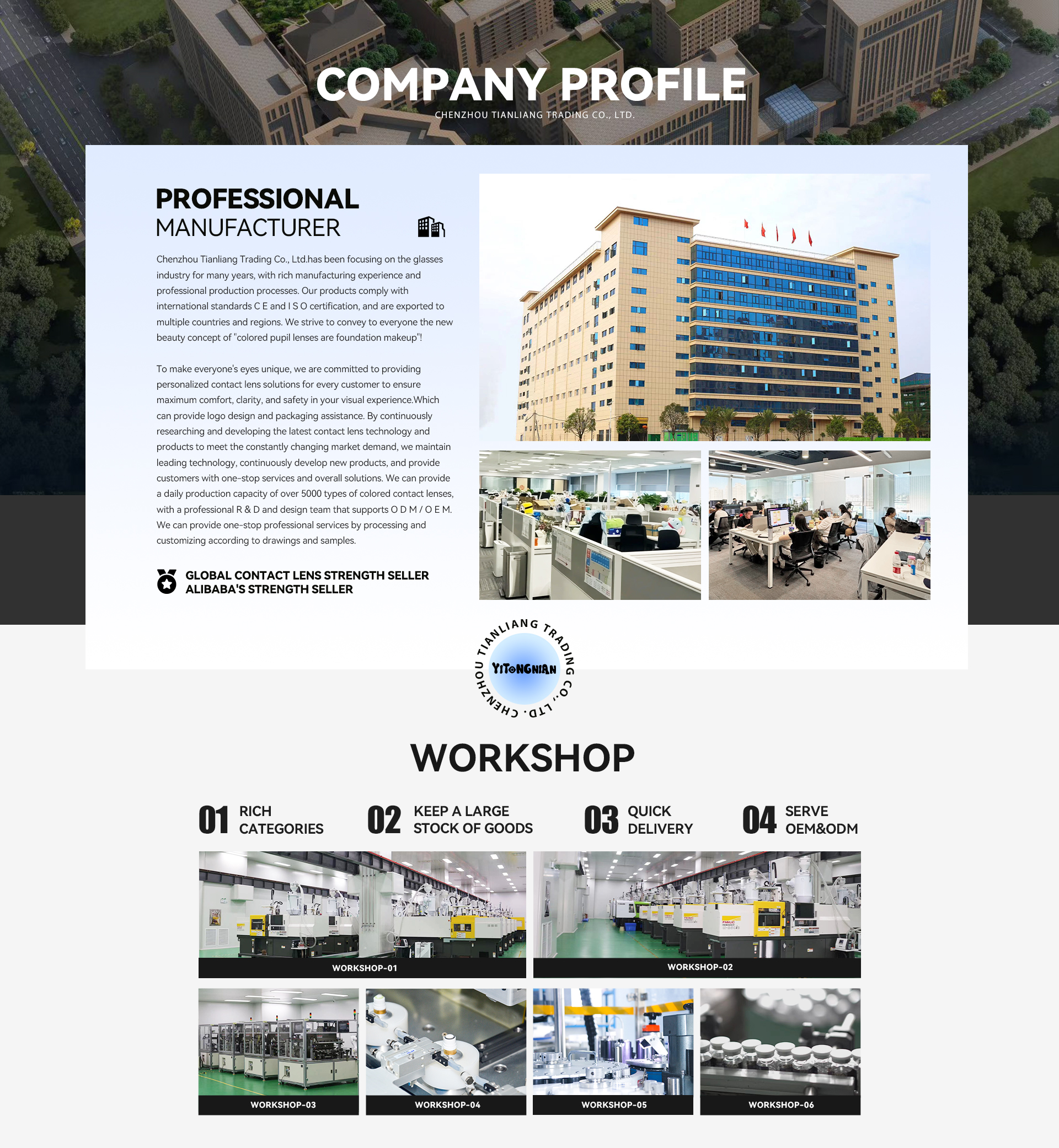
Verified manufacturing floor exceeding 550m² of controlled cleanroom environments, packaging facilities, and logistics warehousing in Hunan.
Full Regulatory File Access
Complete CE, ISO 13485, and MDD technical dossier provisions to streamline your local DIGEMID Sanitary Registration filing in Peru.
Complimentary OEM/ODM Design
In-house graphic design studio providing free custom blister label artwork, rigid gift drawer box construction, and retail display stands.
Agile Supply & Low Starter MOQ
Stock collections ship within 3–7 business days with low minimum commitments starting from only 10 pairs per design, lowering inventory risk.


Frequently Asked Questions by Importers in Peru
Direct technical and commercial answers regarding DIGEMID clearance, customs declarations, shipping, and customization.
What documents do you provide for DIGEMID registration in Peru?
We provide full technical support documentation, including ISO 13485:2016 manufacturing certificates, CE compliance declarations, Certificates of Analysis (CoA) per batch, complete product formula specifications, and Free Sale Certificates (FSC) to facilitate your local registration process.
Can I import smaller trial orders into Peru without full clinical registration?
Many Peruvian retail boutiques and small-scale importers begin with commercial sample evaluation shipments via express couriers (DHL/FedEx) under simplified import regimes for commercial testing and clinical sampling prior to bulk container shipments.
How do your lenses maintain comfort in Peru's varied regional climates?
Our standard Poly-HEMA series are formulated with a balanced 38%–40% water equilibrium content. This prevents the lens from drying out and drawing excessive moisture from the cornea in arid Andean settings like Arequipa while resisting surface lipid deposits in coastal cities.
Can we customize our brand packaging in Spanish for the local market?
Yes. Our in-house design team provides end-to-end packaging development with full Spanish language typography, including legal warnings, usage instructions, barcode generation, and lot/expiration date coding complying with national consumer health standards.
What is the typical shipping transit time to Jorge Chávez International Airport (LIM)?
Ready-to-ship stock orders are dispatched within 3 to 7 business days from our logistics hub. Air express shipments typically arrive in Lima within 5 to 8 transit days, while consolidated ocean freight to Puerto del Callao averages 28 to 35 days depending on shipping lanes.
Do you manufacture corrective prescription powers for colored series?
Yes. Our natural colored lens collections are available in both plano (0.00 diopters) and corrective myopia powers ranging from -0.50 to -8.00. This enables Peruvian opticians to address aesthetic and refractive needs simultaneously.
Launch or Scale Your Contact Lens Brand in Peru
Partner with an SGS-verified, CE-certified manufacturer. Receive complete technical dossiers, bespoke private packaging, and factory-direct wholesale pricing today.
Inquire Now