Retail Merchandising
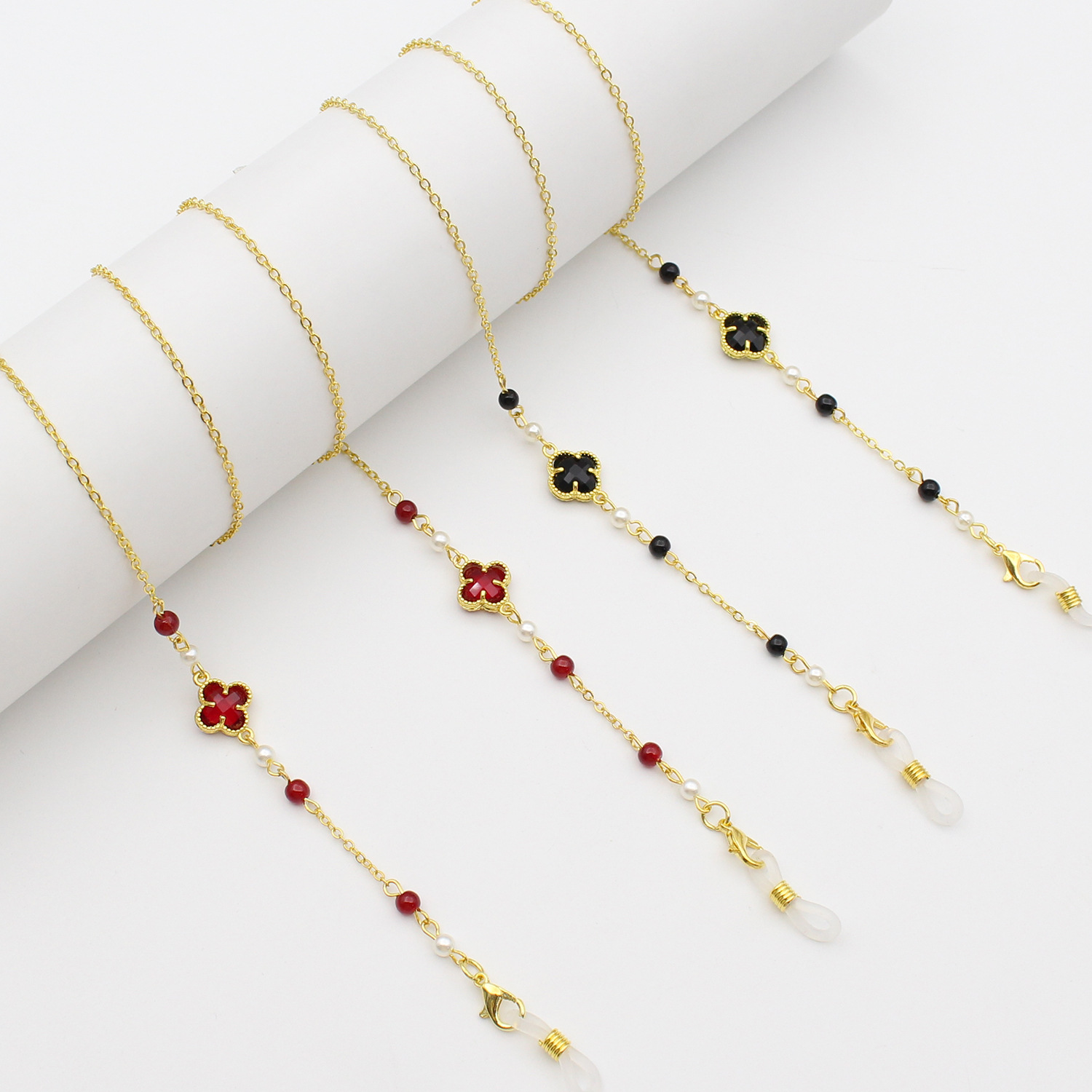
Glasses Accessories 2-in-1 Four-leaf Clover Petal Shaped Chain
- Crystal Accents
- Dual Function
- Anti-Loss Grip
Pre-inspected export inventory engineered for Irish optical retail chains, dermatological clinics, independent opticians, and high-growth beauty brands.
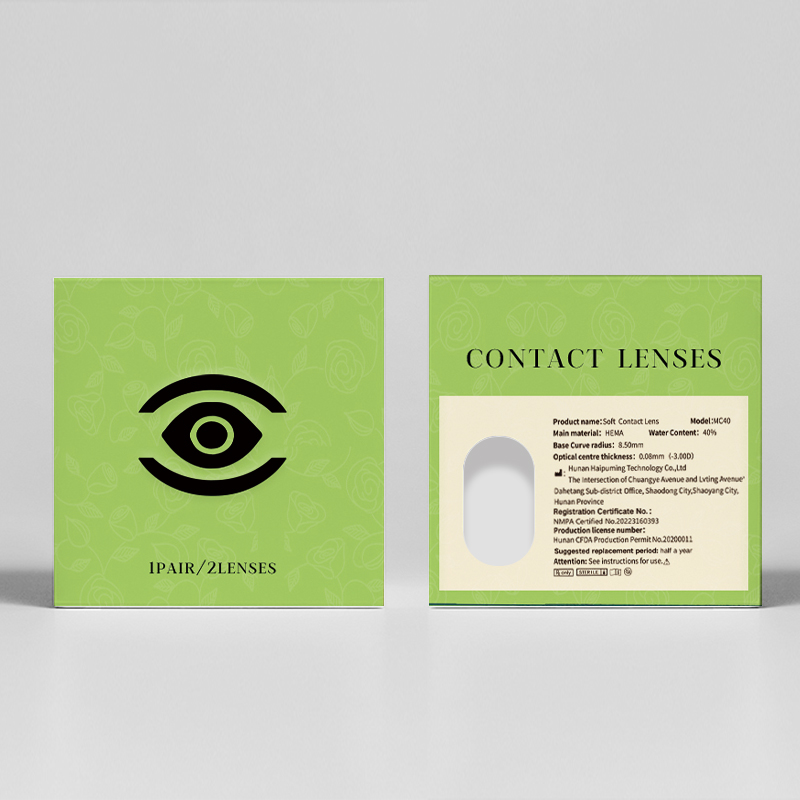
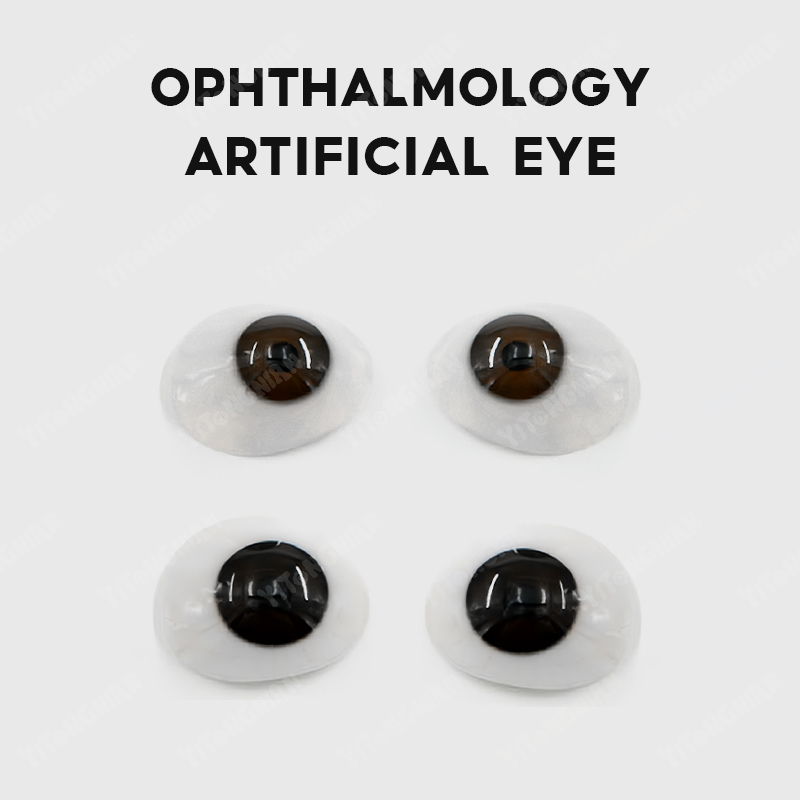

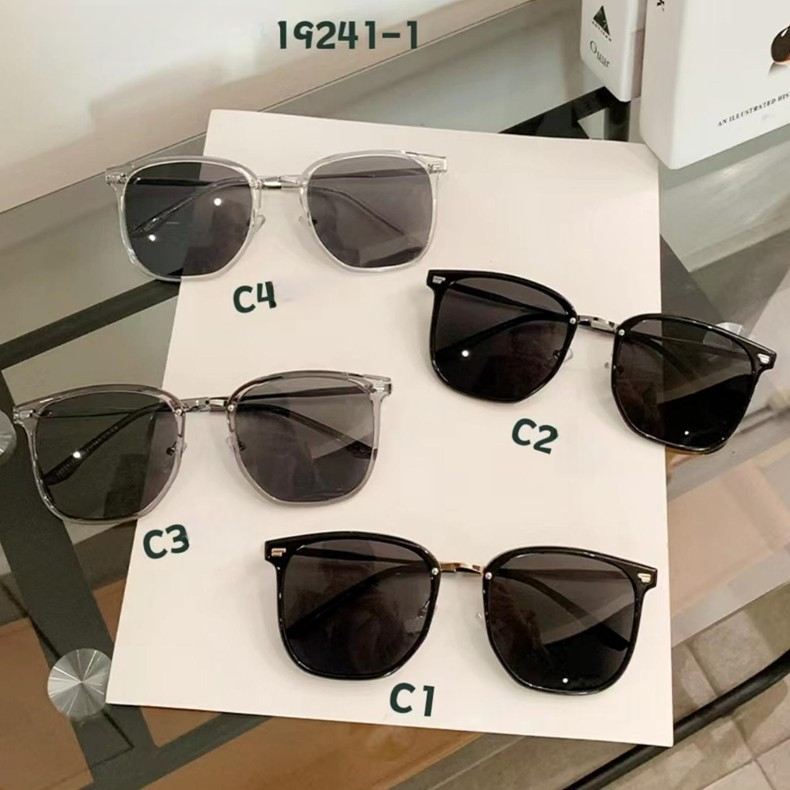
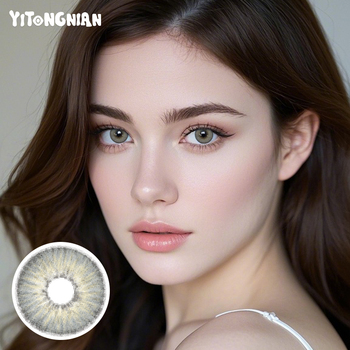
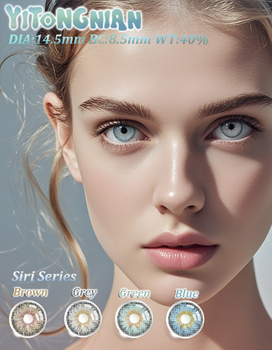
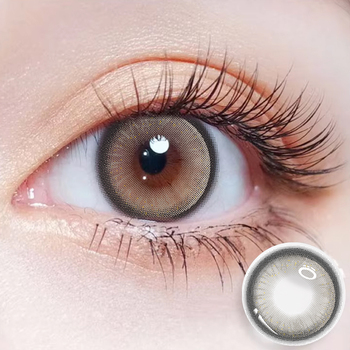
How specialized colored lens collections integrate within domestic optical chains, community pharmacies, cosmetic clinics, and entertainment retailers.
Ireland’s independent optometrists and prominent retail optical practitioners located along Grafton Street, Henry Street, and major suburban centers like Dundrum and Blanchardstown require high-integrity corrective colored lenses. Consumers with light-pigmented irises (predominantly blue, green, and pale hazel) demand subtle, multi-tone color integration that blends seamlessly with the natural iris without appearing artificial or hyper-pigmented. Our 3-tone micro-matrix dot formulations maintain physiological corneal respiration while fulfilling astigmatic and spherical myopia requirements from -0.50D to -8.00D.
Leading Irish pharmacy multiples and beauty healthcare providers (such as Boots Ireland, McCauley Health and Beauty Pharmacy, and independent CarePlus pharmacies) leverage countertop displays to capture high-margin impulse sales. In Ireland, cosmetic contact lenses purchased without a prescription are regulated as medical devices requiring CE certification under the Health Products Regulatory Authority (HPRA) surveillance. Our pre-packaged, blister-sealed sterile single pairs in tamper-evident retail drawer packaging provide the requisite medical documentation, EAN barcoding, and multilingual user safety inserts.
Ireland boasts a robust creative industry and deep cultural affinity for seasonal festivities. Major events including the Bram Stoker Festival in Dublin, the Galway International Arts Festival, and traditional Samhain (Halloween) nationwide drive exponential spikes in specialized special-effects lenses. Cosplay events like Dublin Comic Con demand certified SFX sclera, Sharingan, white mesh, and vivid crimson lenses that guarantee ocular safety. Supplying non-toxic, lathe-cut, or wet-cast pigments embedded safely within biocompatible HEMA avoids the corneal abrasion risks associated with unverified grey-market imports.
All Colorlens Hub export consignments delivered into Dublin Port, Shannon Airport, and Cork Logistics Parks include unified EU Declaration of Conformity dossiers, Class IIa / MDR Annex VIII classification mapping, and complete technical datasheets. We mitigate administrative bottlenecks, ensuring smooth clearance through Irish Customs (Revenue Commissioners) and HPRA border inspections.
Quantitative shifts in buyer preferences, climatic adaptation considerations, and regulatory governance throughout Ireland.
Following the UK's withdrawal from the European Union, Irish optometrists and beauty distributors historically reliant on British wholesale consolidators encountered unexpected VAT tariffs, customs declaration delays, and dual-regulatory complexity (UKCA vs. CE marking). Forward-thinking Irish enterprises now bypass UK intermediaries entirely, opting for direct OEM/wholesale factory procurement that arrives under European Free Trade transit agreements, slashing product landing costs by 18% to 27%.
Ireland’s oceanic maritime climate presents unique ocular considerations: rapid shifts between high ambient outdoor humidity and low-humidity indoor heating environments induce contact-lens-related dry eye (CLDE) in urban populations across Dublin and Limerick. Irish optical buyers increasingly specify Silicone Hydrogel (Si-Hy) or moderate 38–40% equilibrium water content HEMA matrices, which resist dehydration and minimize tear-film evaporation during 12-hour workdays.
Unlike East Asian or Middle Eastern markets where opaque light-brown or vivid hazel lenses predominate, Irish end-consumers have a substantially higher proportion of naturally light-colored eyes (approximately 50% blue, 30% green/hazel). Consequently, domestic market growth is heavily weighted toward limbal ring definition and subtle translucent tint overlays (such as olive green, soft pearl grey, and caramel mocha) that deepen the native iris rather than entirely masking it.
Ireland's progressive implementation of the EU Single-Use Plastics Directive and domestic Waste Action Plan for a Circular Economy has heightened consumer and retail scrutiny regarding packaging waste. Irish optical retailers demand fully recyclable FSC-certified paperboard outer cartons, biodegradable PVC-free display trays, and consolidated multi-pack blister arrangements that diminish physical retail waste footprints while reinforcing premium brand positioning.
Independent e-commerce brands operated out of Ireland’s tech-dense urban centers are heavily driven by viral short-form video engagement across Instagram and TikTok. Gen-Z consumers in universities across Dublin, Cork, and Galway gravitate toward fast-fashion beauty aesthetics where colored contacts serve as non-permanent style accessories paired with seasonal cosmetics. This segment demands low minimum order quantities (MOQs) from suppliers to rapidly test niche viral color palettes.
While cosmetic plano (0.00D) lenses continue to capture retail fashion volume, the highest retention rates in Irish optical practices stem from prescription colored contacts. Eyewear wearers diagnosed with mild to moderate myopia are ditching clear disposable lenses for aesthetic alternatives. Suppliers that provide matched power ranges (-0.50 to -8.00 in 0.25D increments) across fashionable hues empower Irish optometrists to elevate patient lifetime spend.
Evaluating material parameters, oxygen transmissibility, and optical performance criteria essential for Irish medical device procurement.
In wholesale optical distribution, aesthetic appeal must always align with rigorous clinical safety. Colored contact lenses are classified under EU Medical Device Regulation (EU) 2017/745 (MDR) as Class IIa medical devices, regardless of whether they incorporate refractive correction (prescription) or serve an exclusively cosmetic purpose (plano). For clinical buyers and optical department managers across Ireland, the critical differentiator between low-cost generic products and enterprise-grade contact lenses resides in three engineering disciplines: pigment entrapment technology, oxygen permeability (Dk/t), and edge-geometry profiling.
Traditional silk-screen printing methods on inferior cosmetic lenses carry the hazardous risk of pigment exposure, where microscopic color particles contact the palpebral conjunctiva and corneal epithelium directly. This exposure can induce giant papillary conjunctivitis, superficial punctate keratitis, or microbial keratitis. Colorlens Hub utilizes a patented three-layer sandwich encapsulation process. During cast molding, the non-toxic, FDA-approved biomedical organic pigments are embedded squarely between an anterior and posterior layer of polymer matrix (HEMA or Silicone Hydrogel). The pigment layer is permanently sealed, ensuring that at no point do inorganic or organic color dyes make contact with corneal tissue or tear film.
Optimal corneal health requires an adequate supply of atmospheric oxygen to maintain epithelial metabolism. While standard hydrogel lenses (Poly-2-hydroxyethyl methacrylate / HEMA) provide predictable hydration retention and exceptionally soft modulus (yielding immediate insertion comfort), high-performance lines utilize Silicone Hydrogel. Silicone rubber segments incorporated into the macromolecular chain significantly elevate oxygen transmissibility (Dk/t values exceeding 80–110 Fatt units), allowing oxygen to pass directly through the polymer rather than relying solely on fluid hydration transport. This is particularly advantageous for the Irish corporate demographic who wear lenses through extended screen hours in climate-controlled environments.
| Technical Parameter | HEMA 3-Tone Natural Series | Silicone Hydrogel Elite Series | Theatrical & COS FX Series |
|---|---|---|---|
| Polymer Composition | HEMA + NVP Co-polymer | Fluoro-Silicone Hydrogel | HEMA Conventional Hydrogel |
| Equilibrium Water Content | 38% – 40% | 45% – 48% | 38% – 42% |
| Total Diameter (DIA) | 14.0 mm / 14.2 mm / 14.5 mm | 14.2 mm | 14.5 mm / 17.0 mm / 22.0 mm |
| Base Curve (BC) | 8.5 mm – 8.6 mm | 8.6 mm | 8.6 mm |
| Center Thickness (CT @ -3.00D) | 0.08 mm | 0.07 mm | 0.09 mm – 0.11 mm |
| Oxygen Transmissibility (Dk/t) | 20 – 25 × 10⁻⁹ | 85 – 110 × 10⁻⁹ | 18 – 22 × 10⁻⁹ |
| Pigment Encapsulation | Micro-Dot Sandwich Cast | Full Polymer Molecular Lock | Double-Layer Internal Lathe-Cut |
| Refractive Correction | 0.00 to -8.00 (0.25D Steps) | 0.00 to -8.00 (0.25D Steps) | Primarily Plano (0.00D) |
| Wear Schedule | Monthly / Yearly | Monthly Disposable | Daily / Monthly / Yearly |
| Sterilization Standard | Moist Heat Autoclave (121°C) | Moist Heat Autoclave (121°C) | Moist Heat Autoclave (121°C) |
The standard corneal radius of curvature within the adult European population averages 7.80 mm, resulting in optimal fitting characteristics with contact lens base curves positioned between 8.50 mm and 8.65 mm. A lens that is excessively flat can induce movement instability and edge flare, which disrupts visual acuity and misaligns the cosmetic pupil aperture with the visual axis. Conversely, an overly steep lens constricts limbal vascular flow. Colorlens Hub products maintain strict ISO 18369 precision tooling tolerances (±0.02 mm on base curve; ±0.01 mm on optical center thickness), ensuring reliable physiological centration and consistent blink dynamics.
Assessed, certified, and audited to give Irish optical distributors unequivocal peace of mind.
Our primary production, warehouse, and cleanroom packaging facilities are comprehensively verified onsite by SGS Group. Operating across extensive cleanroom facilities with full automated blister packaging lines, our processes adhere stringently to ISO 13485 medical device quality management standards.
Navigating European Union health surveillance demands verified regulatory documentation. We supply Irish importers with complete technical dossiers, sterile test validations, biocompatibility cytotoxicity reports (ISO 10993 compliant), and clinical evaluation records to support your regional filings.
Empowering Irish brands to dominate local retail shelves: our bespoke services encompass foil blister lid branding, custom cardboard cartons, high-end rigid slide drawer boxes, and dedicated acrylic counter displays. We provide full in-house structural design and graphic rendering at zero additional surcharge.
Addressing essential customs, regulatory compliance, logistical timelines, and private-label production parameters for Ireland.
Partner with an SGS-verified manufacturer committed to European medical device standards, competitive tier pricing, and bespoke private-label packaging. Request a full catalog and sample trial batch today.