Curated Optical & Cosmetic Hardware for Osaka Brands
Precision-molded soft hydrogel contacts, Si-Hy matrices, and turnkey presentation packaging for Kansai volume retailers.
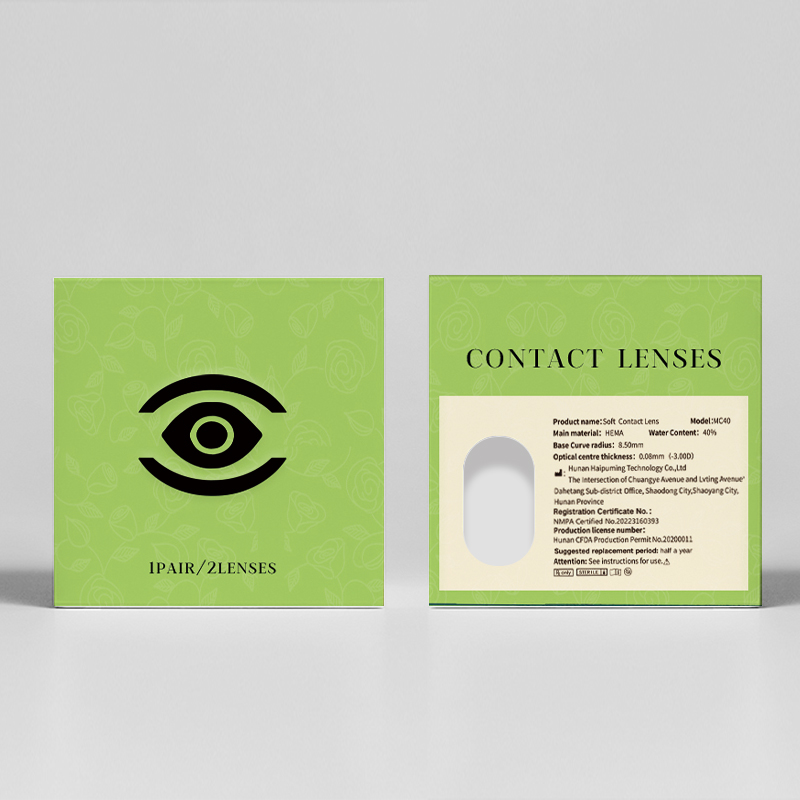 Packaging
Custom PVC Drawer Box for Eyewear, Jewelry & Cosmetics Packaging
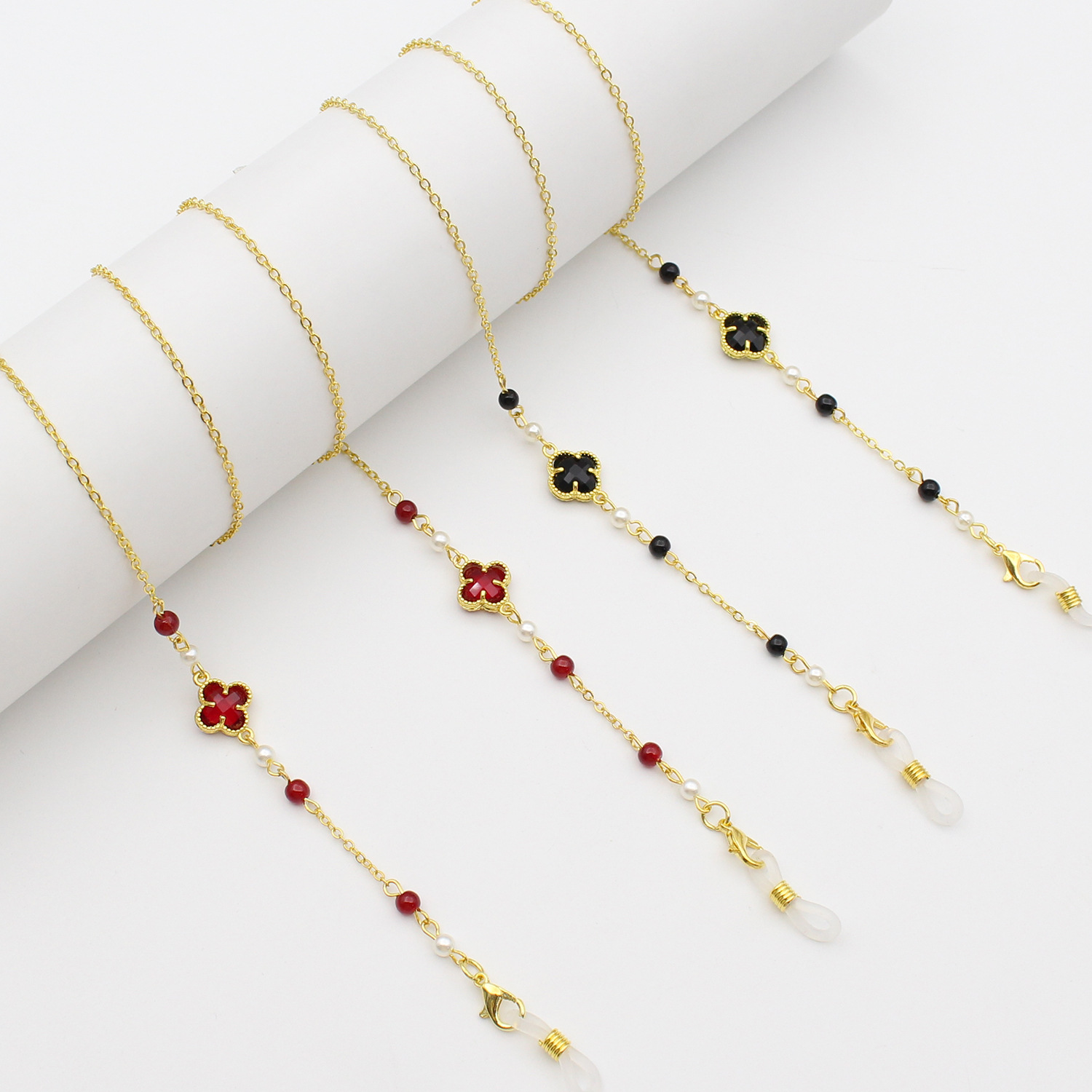 Accessory
Crystal Four-Leaf Clover 2-in-1 Eyewear & Sunglass Chain
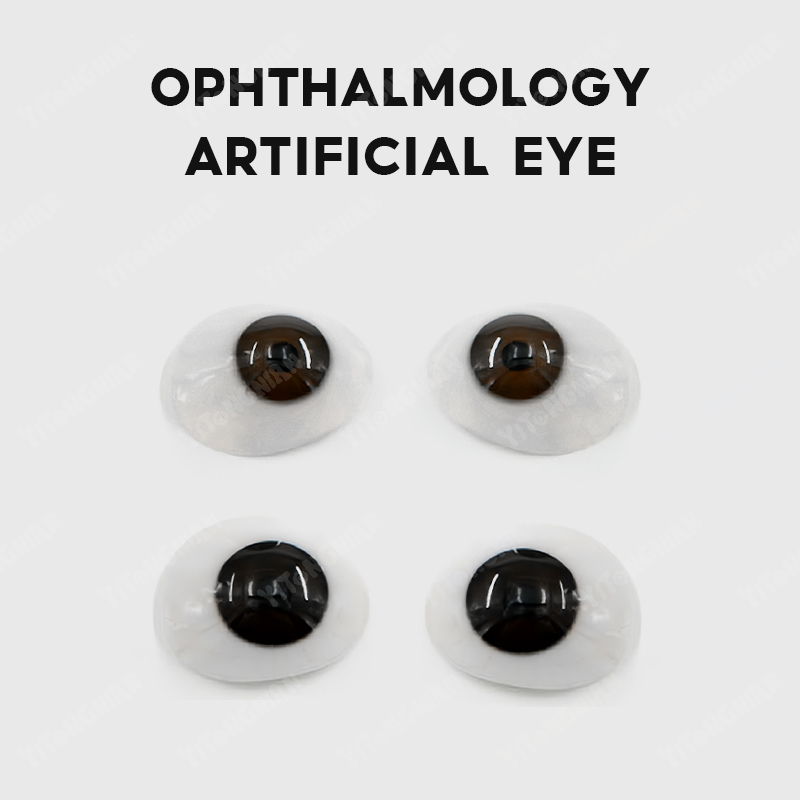 Retail Unit
Acrylic Color Contact Lens Retail Display Stand & Holder
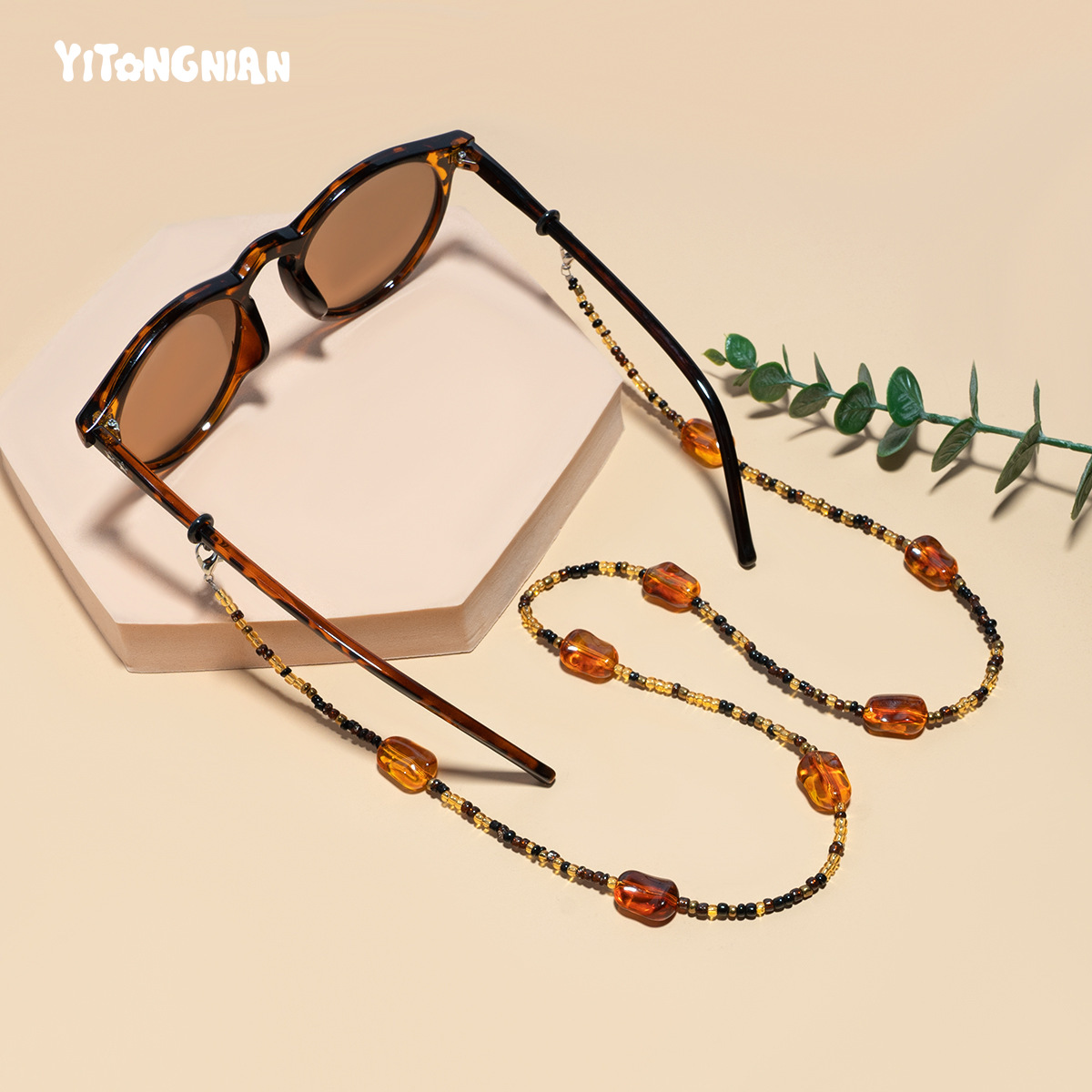 Accessory
Retro Light Luxury Tortoiseshell Patterned Eyewear Chain
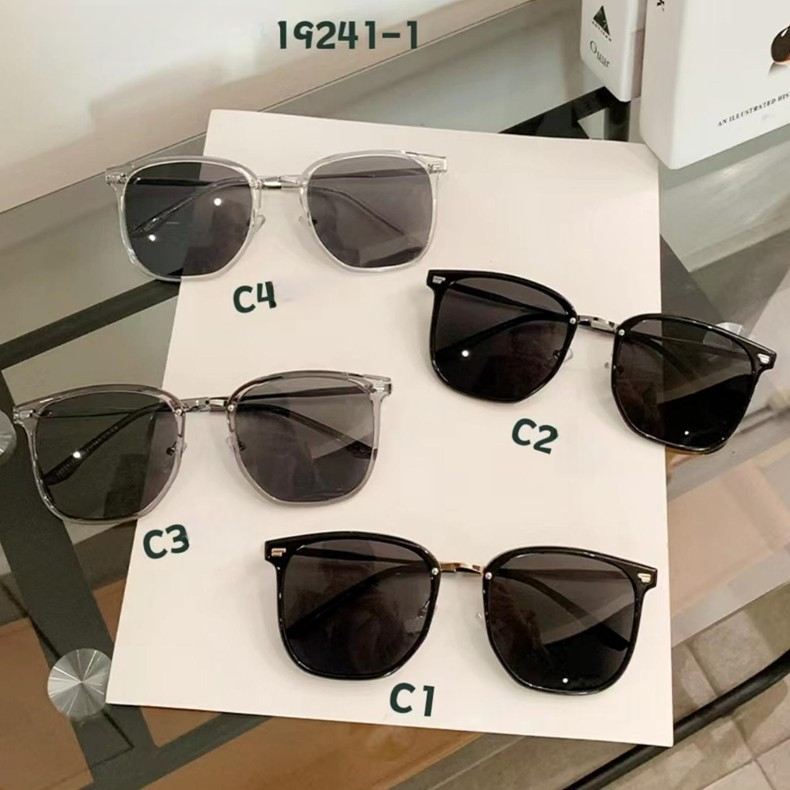 Optical Eyewear
Large Frame Polarized Street-Style UV400 Sunglasses
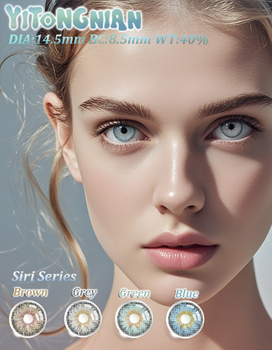 Si-Hy Lens
High-Oxygen Silicone Hydrogel Soft Colored Contact Lenses
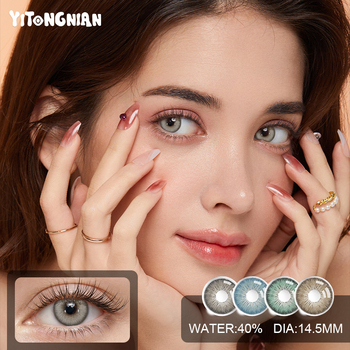 Soft HEMA
Natural Blend Three-Tone Ultra-Thin Daily/Annual Hydrogel Lens
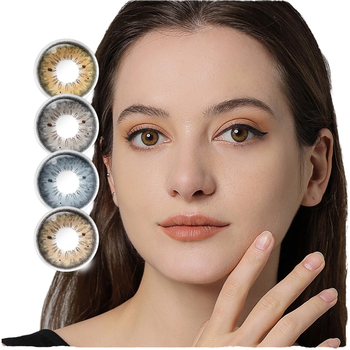 Special FX
Sub-Culture Vibrant Anime & Cosplay 14.2/14.5mm Graphic Lens
The Osaka Contact Lens Landscape: Sub-Cultures, Retail Channels & High-Density Demand
Osaka occupies a definitive, trendsetting position within the Japanese and wider East Asian cosmetic eye-enhancement market. As the cultural powerhouse of the Kansai region, consumer buying behavior in districts such as Shinsaibashi (心斎橋), Amerikamura (アメ村), Umeda, and Nipponbashi (Den-Den Town) demonstrates a diverse dichotomy rarely witnessed in single metropolitan areas. On one end of the spectrum, high-volume drugstores (such as Matsumoto Kiyoshi, Sundrug, and Don Quijote flagships) move extraordinary volumes of everyday "chyuu-kura" (subtly natural, micro-limbal) 1-Day daily disposables. On the opposing end, youth culture and event-driven cosplayers demand intense pigment saturation and graphic diameters exceeding 13.8mm.
For enterprise procurement officers, brand licensing holders, and private-label distributors operating in Osaka, establishing a direct pipeline with high-precision cosmetic contact lenses factories is no longer just a supply chain consideration—it is a brand survival mandate. Given Japan's rigorous enforcement under the Pharmaceuticals and Medical Devices Act (PMDA / 薬機法), imported cosmetic contact lenses are legally categorized as Class II Special Controlled Medical Devices (高度管理医療機器). Sub-standard pigment deposition, erratic edge geometry, or deficient oxygen transmissibility (Dk/t) results in instant border refusal, severe regulatory sanctions, and customer churn.
Micro-Dot Subtlety
Optimized for Umeda office-wear and natural aesthetics. Multi-layer micro-dot matrix printing replicates the authentic radial striations of the human iris without artificial outer boundaries.
Sub-Culture Opacity
Directly serving Nipponbashi subculture conventions. Full-occlusion pigments completely mask deep dark irises without restricting pupil dilation or optical tunnel field-of-view.
Turnkey Packaging Ecosystem
Complete secondary packaging: PET/PP blister foil peeling integrity, customized foil-stamped drawer boxes, and PMMA retail display stands that meet Japanese department store visual standards.
Manufacturing Integrity: Lathe-Cutting vs. Cast Molding in Hydrogel Fabrication
Producing cosmetic contact lenses that satisfy the structural expectations of Japanese optometrists requires uncompromising manufacturing execution. Colorlenshub Technology Co., Ltd. utilizes automated Cast Molding Injection Systems inside Class 100,000 cleanrooms, minimizing human intervention and eradicating surface particulate anomalies. Every mold insert undergoes ultra-precision optical nano-lathe processing to ensure that the peripheral bevel, back optic zone radius (BOZR), and edge roundness achieve maximum tear circulation underneath the lens.
A central differentiator separating clinical-grade factory production from generic alternatives is our Micro-Encapsulated Sandwich Technology. Instead of printing dyes directly on the lens exterior where blinking creates abrasive friction against the palpebral conjunctiva, the pigment matrix is fully cross-linked and polymer-locked between two ultra-thin layers of poly-HEMA or Silicone Hydrogel. This ensures zero dye-to-cornea contact, preventing allergic giant papillary conjunctivitis (GPC) and guaranteeing prolonged all-day lubrication.
| Evaluation Parameter | Colorlens Hub Standard Series | High-Dk Silicone Hydrogel (Si-Hy) | Industrial Significance for Osaka Buyers |
|---|---|---|---|
| Base Polymer | Poly-HEMA Hydrogel | Fluorosilicone Hydrogel Macropolymers | Biocompatible monomer matrix ensuring tear retention |
| Water Content (WC) | 38% – 42% Stable Hydration | 45% – 50% High Equilibration | Lower evaporation prevents dry-eye sensation in HVAC interiors |
| Center Thickness (CT) | Approx. 0.08 mm (@ -3.00D) | Approx. 0.07 mm (@ -3.00D) | Ultra-thin apex eliminates foreign body sensation |
| Base Curve (BC) | 8.5 mm / 8.6 mm Asian Fit | 8.6 mm Multi-Aspheric Curve | Tailored precisely to the median corneal topography of Asian eyes |
| Pigment Isolation | Dual-Layer Embedded Sandwich | Polymerized Inter-Layer Matrix | Ensures full compliance with cytotoxic elution protocols |
| Power Range Availability | 0.00 (Plano) to -8.00D | 0.00 (Plano) to -10.00D | Full myopia coverage catering to regional prescription rates |
Emerging Market Trends in the Greater Kansai Area
Procurement patterns analyzed across retail channels in Osaka, Kobe, and Kyoto highlight three transformative structural shifts that enterprise buyers must address when structuring their OEM pipelines:
1. Accelerating Migration Toward Daily Disposables (1-Day): Due to heightened consumer hygiene awareness and fast-paced urban lifestyles, 1-Day blister-packed cosmetic lenses represent over 72% of commercial counter turnover in prime retail hubs. While monthly and annual lenses maintain high stability in niche cosmetic boutiques, building a diversified portfolio with pre-sterilized single-use blisters is mandatory for penetrating mainstream retail chains.
2. Requirement for Blue Light & UV Blocking Co-Polymerization: Modern consumers demand multifunctional ocular defense. Incorporating UV-absorbing monomers (blocking ≥90% UVA and ≥99% UVB) as well as selective blue-light attenuation into cosmetic formulations creates quantifiable unique selling propositions (USPs) that outperform single-function cosmetic competitors on retail shelves.
3. Demand for Sustainable & Minimalist Outer Presentation: Japanese retail spaces prioritize spatial optimization and eco-conscious presentation. Oversized, bulky packaging has been replaced by sleek drawer-style boxes, recyclable paper boards, and compact blister multi-packs that reduce shelf footprint while delivering a luxury tactile unboxing experience.
Why Global & Osaka Importers Partner with Colorlenshub Technology
Operating since 2019 with a verified, dedicated team of 43 specialists, Colorlenshub Technology Co., Ltd. operates as a streamlined, end-to-end manufacturing and private-label consolidation partner. Unlike trading middlemen who lack direct oversight over raw materials, our operational infrastructure bridges the gap between massive factory capacity and nimble retail execution.
SGS On-Site Audited
Our operational floorspace, warehousing, cleanroom protocols, and personnel structure have undergone on-site verification by SGS Group, providing verifiable supply-chain transparency.
CE & ISO Quality Standards
Products adhere strictly to ISO 13485 medical device quality systems, accompanied by full batch documentation and MDD files to assist your internal regulatory dossiers.
Frequently Asked Questions: B2B Procurement for Osaka & Japan
Direct answers addressing the operational, logistical, and technical concerns of overseas procurement directors.
How do your lens parameters conform to Japanese corneal geometry?
Our standard manufacturing portfolio focuses on Base Curves of 8.5mm and 8.6mm with overall diameters of 14.0mm to 14.5mm. These parameters precisely match the anatomical median of Japanese wearers, ensuring proper lens centration without excessive limbal lag or tight movement.
What documentation is provided for import clearance through Kansai International Airport (KIX)?
We supply complete commercial invoices, packing lists with traceable lot codes, Certificate of Analysis (COA) per production run, ISO 13485 certification, and CE conformity documentation to support your Japanese Marketing Authorization Holder (MAH / 製造販売業者) during clearance.
Can you fabricate custom Japanese-language packaging and barcode labels?
Yes. Our in-house packaging design team provides complimentary dieline structuring, localized Japanese typography placement (including mandatory Japanese warning symbols, lot numbers, and expiration dates), and JAN/EAN-13 barcode integration for POS retail systems.
What is the standard production and shipping lead time to the Osaka metropolitan area?
In-stock SKUs are dispatched within 3–7 business days via premium air freight (FedEx/DHL/direct air line), arriving in Osaka within 2–4 transit days. Full OEM custom runs with bespoke secondary packaging generally require 25–35 production days depending on specification complexity.