Featured Korean-Grade Lenses & Optical Retail Essentials
Engineered for international beauty chains, ophthalmic distributors, and boutique private labels seeking medical CE/ISO compliance, ultra-thin comfort profiles, and premium retail presentation.
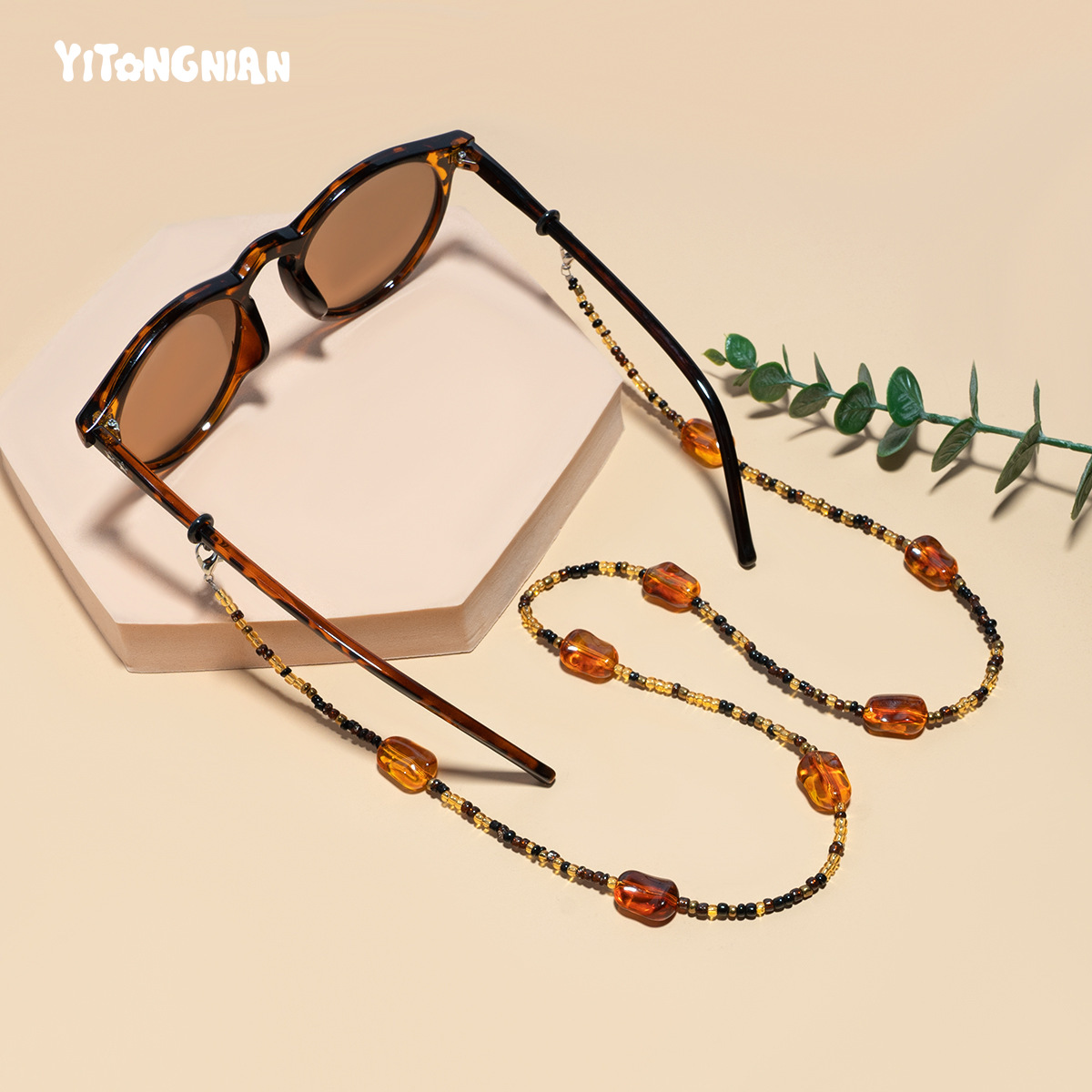
Retro Light Luxury Natural Tortoiseshell Bead Glasses Chain
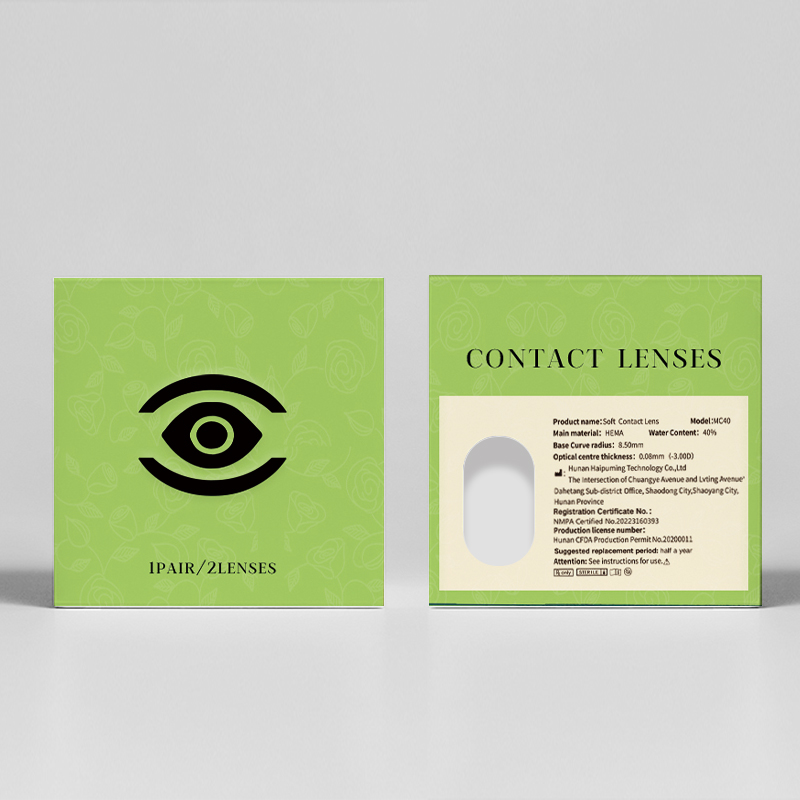
Custom Wholesale PVC Drawer Box for Eyewear & Cosmetic Packaging
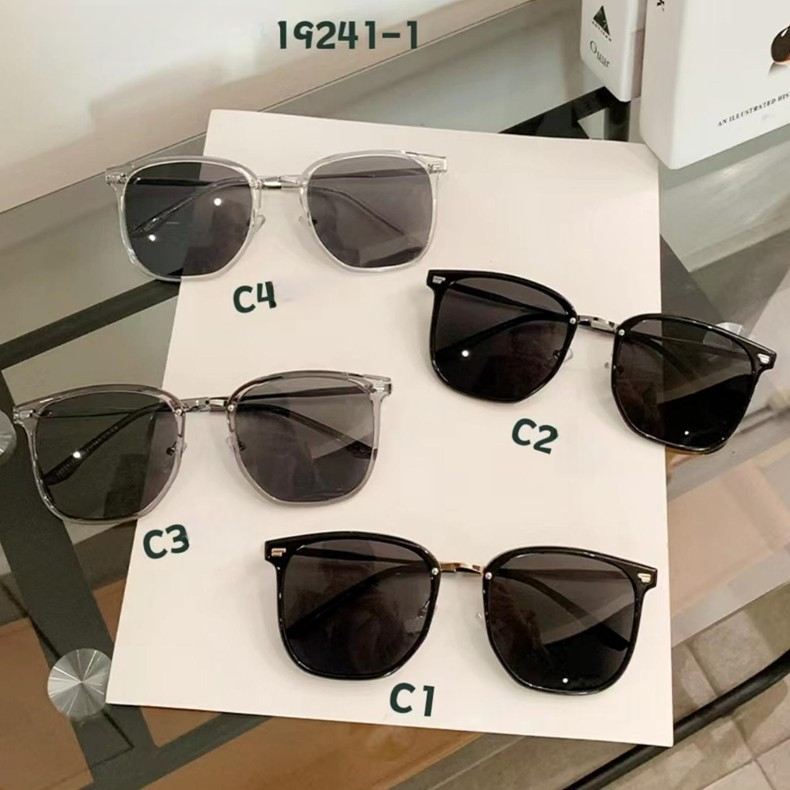
Fashionable Street-Style Large Frame Polarized UV400 Sunglasses
YITONGNIAN Acrylic Countertop Contact Lens Showcase Display Stand
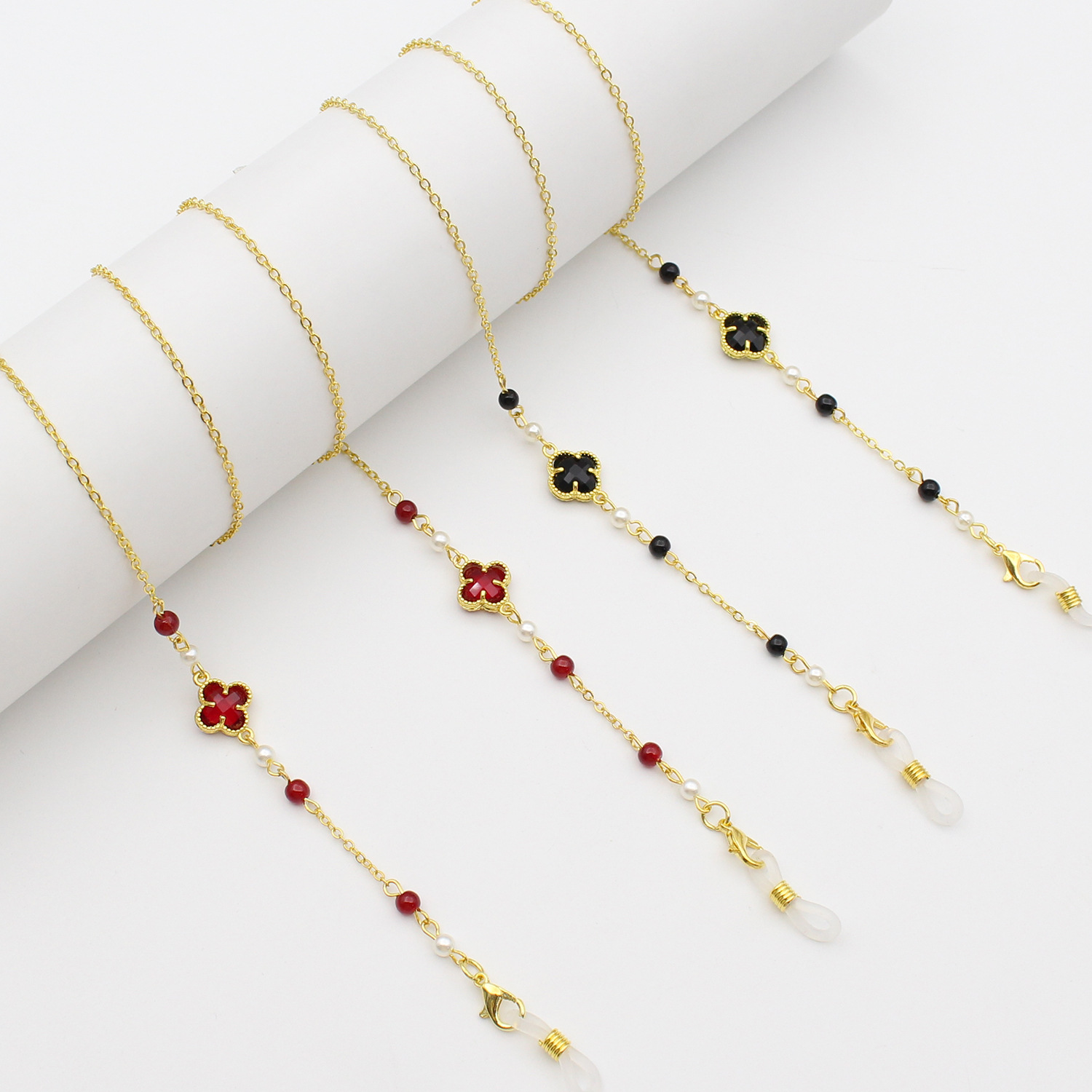
2-in-1 Crystal Four-Leaf Clover Glasses Chain & Mask Lanyard
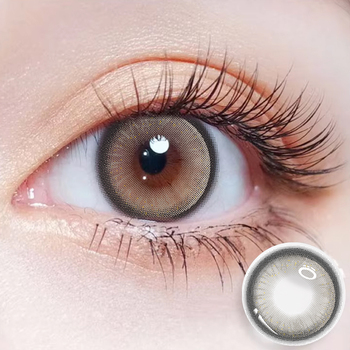
Korean Grey Series Natural Daily/Monthly Prescription Circle Lenses
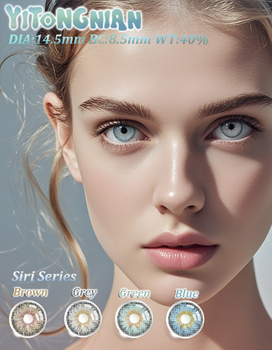
Breathable High-Oxygen Silicone Hydrogel Daily Disposable Lenses
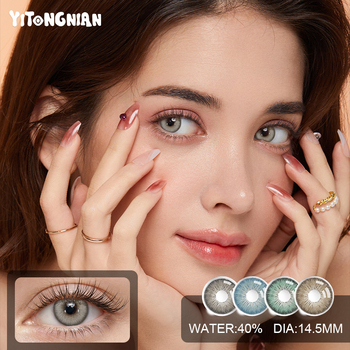
Natural Chwee Tone Micro-Gradient Soft Color Contact Lenses
The Precision Architecture of Korean Disposable Colored Contact Lens Manufacturing
An authoritative analysis of optical polymer casting, micro-encapsulated pigment layering, and physiological biocompatibility across South Korea's premier ophthalmic production corridors.
Over the past decade, South Korea has emerged as the definitive global benchmark for cosmetic contact lens innovation. Driven by the relentless aesthetic standards of the K-Beauty industry and supported by stringent oversight from the South Korean Ministry of Food and Drug Safety (MFDS), Korean manufacturing facilities have superseded traditional lathe-cut ocular prosthetics through industrialized high-precision full cast-molding automated systems. For international B2B importers, brand owners, and optical retail syndicates, understanding the core manufacturing vectors of disposable colored contact lenses in Korea is essential for curating lines that balance photorealistic iris appearance with optimal ocular surface health.
Micro-Pigment Sandwich Encapsulation: Absolute Epithelial Protection
The paramount technical differentiator of high-tier Korean contact lens factories is the complete physical isolation of colorants from ocular tissue. Historically, low-cost cosmetic lenses relied on surface pad-printing, which exposed the palpebral and bulbar conjunctiva to raw pigment abrasive friction, micro-leaching, and giant papillary conjunctivitis (GPC).
Modern Korean fabrication utilizes proprietary Cast Molding Sandwich Technology (also designated as dual-layer embedding). In this process, the optical anterior curve is molded from medical-grade monomer (HEMA, Omafilcon, or Fluorosilicone hydrogel). The cosmetic chromatic pattern is printed via microscopic halftone matrices using biocompatible, inorganic pigments (iron oxides, titanium dioxide, and phthalocyanine derivatives). A secondary polymerizing layer is cross-linked under controlled ultraviolet thermal conditions, effectively encapsulating 100% of the pigment molecules within the core polymer lattice. The resulting finished lens presents an ultra-smooth root-mean-square (RMS) surface profile below 5 nanometers, guaranteeing zero color-to-cornea direct contact and preserving tear film lipid stability across prolonged 14-hour daily wear cycles.
Cast-Molding Automation
Eliminates structural microscopic irregularities inherent to lathe-cut lenses. Nano-machined optical steel molds ensure 0.005mm center thickness uniformity and reproducible base curve geometry batch after batch.
Phosphorylcholine Hydration
Incorporating MPC (2-methacryloyloxyethyl phosphorylcholine) bio-mimetic polymers mimics cellular membrane phospholipid heads, dramatically reducing protein deposition and dehydration-induced lens shrinkage.
Aspheric Beveled Edge
Precision multi-radial edge taper accelerates dynamic tear exchange beneath the contact lens during each blink, sustaining sub-lens metabolic flushing and eliminating mechanical limbal indentation rings.
Silicone Hydrogel Modulus Optimization in Daily Disposables (1-Day)
While conventional poly-HEMA hydrogels remain pervasive in annual aesthetic lines due to their forgiving elasticity and vivid color uptake, the worldwide optical market has decisively pivoted toward daily disposable (1-Day) silicone hydrogel modalities. In Korean cleanroom manufacturing facilities, the central engineering challenge has been balancing high oxygen permeability (Dk/t) with mechanical modulus. First-generation silicone hydrogels exhibited stiffness ratings exceeding 1.2 MPa, which provoked mechanical corneal irritation in delicate East Asian eye geometries characterized by tighter upper lid tensions.
Leading Korean OEM facilities resolved this through patented hydrophilic macromer synthesis. By interweaving siloxane segments with high-molecular-weight polyvinylpyrrolidone (PVP) and crosslinked hyaluronic acid (HA), Korean daily disposables attain oxygen transmissibility scores of $Dk/t\ 80\text{--}100 \times 10^{-9}\ \text{barrers/cm}$ while maintaining a silky, low modulus of 0.38 to 0.45 MPa. This enables wholesale buyers to market a cosmetic lens that matches the medical-grade clinical comfort of clear daily contact lenses manufactured by multinational vision care corporations.
Localized Application Scenarios: The Korean Consumer Aesthetic
How cosmetic lens wear transitioned from a niche optical correction necessity into a dominant pillar of South Korea’s daily personal beauty regimen.

The K-Pop "Natural Glaze" Daily Look
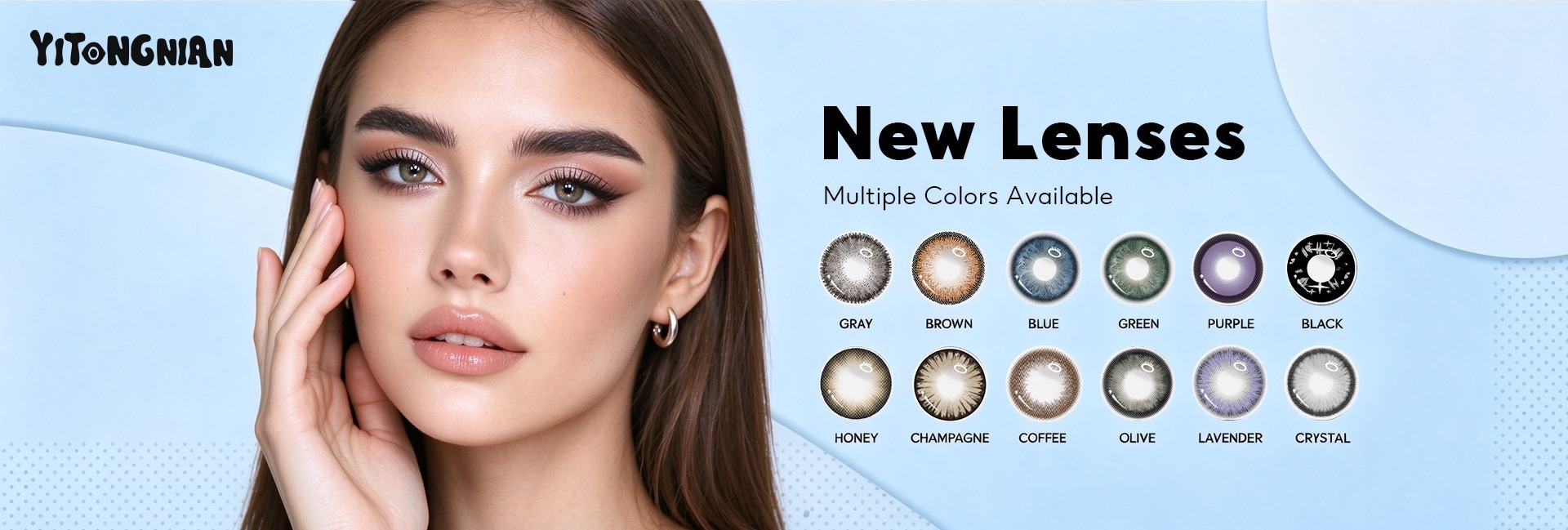
Unlike Western markets favoring dramatic 14.5mm total iris masking, Korean consumers in Gangnam and Hongdae demand micro Graphic Diameters (G.DIA 11.9mm to 13.0mm). These designs blend feather-soft limbal rings with translucent olive, ash choco, and subtle hazel tints that complement dark irises under high-definition studio cameras without producing the dreaded artificial "bug-eye" effect.

Screen Fatigue & Low-Dehydration Office Modalities
In corporate Seoul, prolonged exposure to dry, air-conditioned towers and dual-monitor workstations demands specialized hydration engineering. Daily disposable colored lenses infused with 38% equilibrium water content and hyaluronic acid soaking solutions prevent the lens from siphoning moisture away from the precorneal tear film, ensuring zero end-of-day redness.
Dermatology & Medical Esthetic Synergies
Following non-invasive cosmetic procedures (double eyelid surgery, canthoplasty, or dermal filler treatments), Korean dermatological boutiques recommend single-use, sterile daily disposable blisters. Eliminating lens cases and chemical soaking solutions mitigates bacterial bio-burden risk while restoring vibrant ocular brightness during facial recovery phases.
Emerging Technological Trends in Korean Lens Manufacturing
Strategic vectors shaping factory investment, cleanroom protocols, and consumer preferences across East Asian optical manufacturing corridors through 2026–2030.
B2B buyers sourcing from Korean factories must align their product development pipelines with three macro trends governing the domestic Korean market:
1. The Complete Dominance of Short-Cycle Modalities (1-Day & 10-Pack Packaging)
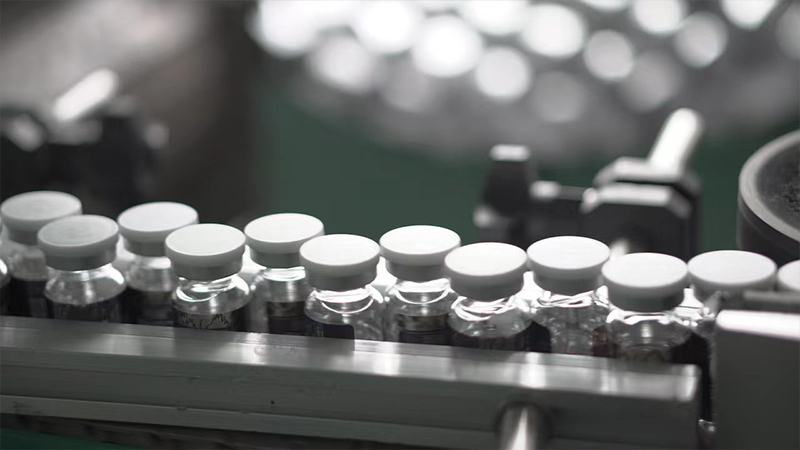
Annual (12-month) glass-vial packaging, which dominated the Korean landscape during the early 2010s, now represents less than 12% of domestic retail volume. Consumer education regarding acanthamoeba keratitis and protein denaturation has driven a comprehensive shift toward 1-Day disposable thermoformed blisters, packaged in travel-friendly 10-pack or 30-pack folding cartons. Korean manufacturing plants have invested heavily in high-speed form-fill-seal (FFS) packaging machines capable of outputting 120,000 sterile blister cavities per hour with laser-etched lot traceability and foil hermetic sealing.
2. Asymmetric "Water-Drop" & Halo Glaze Optical Patterns
Classical radial spoke patterns and heavy circular borders are rapidly becoming obsolete. Korean cosmetic design labs have developed revolutionary asymmetric printing methods. These include half-crescent moon patterns, light-refracting highlighting dots, and multidimensional gradient halos that simulate sunlight reflecting off the tear meniscus. Using variable-droplet digital print heads, factories deposit pigment droplets as minute as 14 microns, creating a seamless, natural transition from the wearer's real iris to the pigmented zone.
3. Dual Class II/III Medical Regulatory Filings and Clean Secondary Packaging
Korean factories work strictly under KGMP (Korea Good Manufacturing Practice) and ISO 13485 standards. For export to tier-one markets (US FDA 510(k), EU MDR Class IIa, Japanese PMDA), Korean manufacturers prepare complete Design History Files (DHF) and biocompatibility dossiers according to ISO 10993 (cytotoxicity, ocular irritation, systemic toxicity). Simultaneously, turnkey OEM services have extended into secondary sustainable packaging—replacing plastic wraps with FSC-certified virgin kraft boxes and biodegradable PVC drawer cases.
| Modality Type | Material Matrix | Water Cont. | Dk/t Permeability | Modulus (MPa) | Common G.DIA Range | Regulatory Status |
|---|---|---|---|---|---|---|
| Daily Disposable (1-Day) | Silicone Hydrogel + MPC | 38% – 42% | 85 – 100 × 10⁻⁹ | 0.42 MPa (Ultra-Soft) | 11.9 mm – 13.2 mm | CE / FDA / MFDS |
| Monthly Disposable | Hydrophilic Poly-HEMA | 40% – 43% | 28 – 35 × 10⁻⁹ | 0.55 MPa (Standard) | 12.8 mm – 13.6 mm | CE / ISO 13485 |
| Yearly Conventional | Cross-linked Polymacon | 38% – 40% | 18 – 22 × 10⁻⁹ | 0.70 MPa (Durable) | 13.0 mm – 14.5 mm | CE / MDD |
| Cosplay / FX Series | High-Pigment HEMA | 40% – 42% | 18 – 20 × 10⁻⁹ | 0.68 MPa (Structured) | 13.8 mm – 14.5 mm | CE / ISO Audited |
Why International Brands Choose Colorlens Hub
Integrating Korean optical precision standards with scalable global manufacturing economics, turnkey packaging, and verified supply chain transparency.
SGS Onsite-Verified Facility
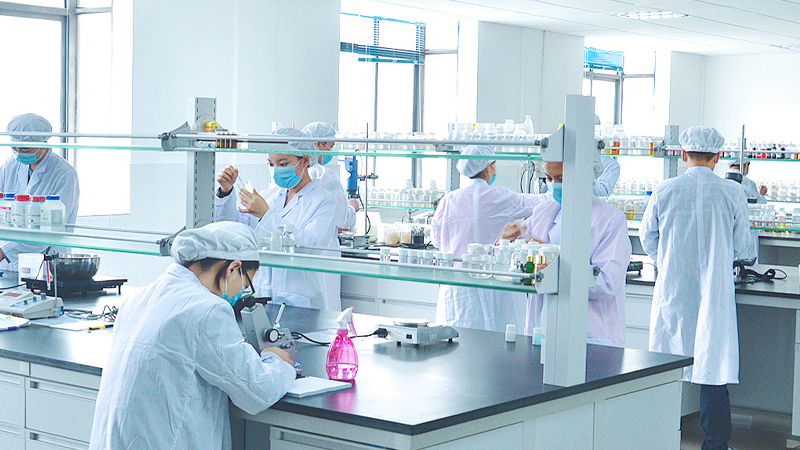
Operates under stringent third-party supplier assessments. Our 550m² staging, inspection, and cleanroom facilities undergo rigorous batch sterility testing and optical parameter verification.
Agile Low MOQ From 10 Pairs
Test new aesthetic colors without inventory capital paralysis. In-stock catalog SKUs ship from 10 pairs per design, supporting dynamic seasonal rotation and micro-influencer product launches.
Full Diopter Range (0.00 to -8.00)
Cosmetic appeal combined with optical correction. Selected natural series carry spherical myopia prescriptions from plano (0.00) down to -8.00D with strict optical zone alignment.
In-House Creative Packaging Studio
Free structural packaging design. From luxury foil-stamped drawer boxes to retail countertop acrylic display stands, our design department provides complete 3D mockups at zero additional charge.
Global Medical Compliance Dossiers
Complete technical documentation including CE, ISO 13485, and MDD certification. We supply laboratory testing data files to streamline clearance with domestic health authorities worldwide.
Rapid Global Express Fulfillment
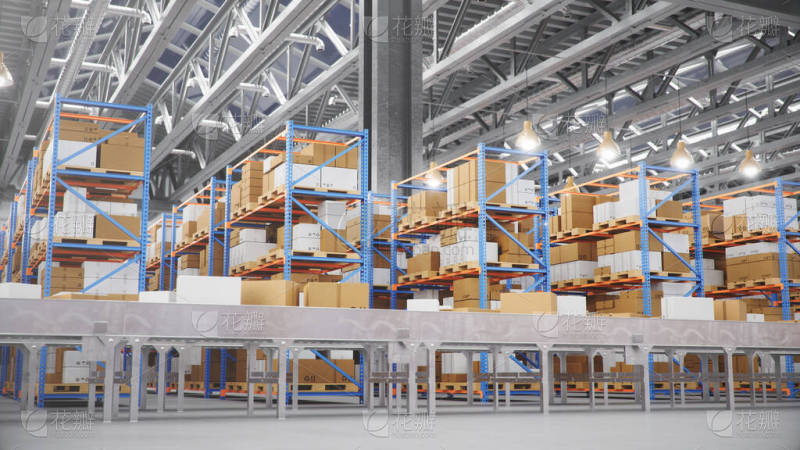
In-stock inventory ships within 3 to 7 working days via direct DHL, FedEx, or temperature-controlled air freight lines, complete with end-to-end B2B tracking and customs clearing documentation.
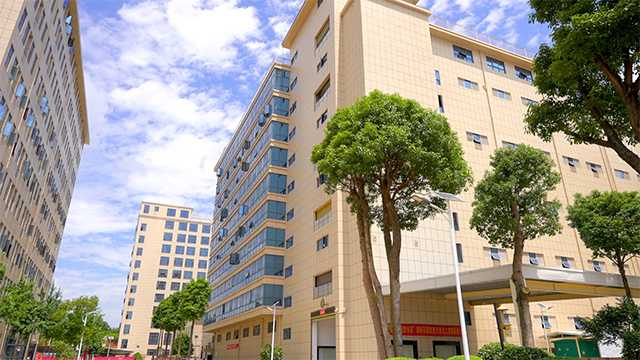
Class 100,000 Cleanroom Manufacturing & Rigorous Quality Control
Every production batch undergoes five critical optical checkpoints: laser diameter profiling, center thickness interferometry, diopter power verification in saline cells, surface roughness profilometry, and double-sided darkfield microscopy inspection to identify micro-bubbles, edge tears, or pigment asymmetry.
Frequently Asked Questions by Korean & Global B2B Buyers
Essential legal, logistical, and technical parameters optical distributors and e-commerce founders query prior to finalizing private-label OEM contracts.
What are the key regulatory certifications required when importing Korean-style colored lenses into Europe or North America?
What is the difference between Total Diameter (DIA) and Graphic Diameter (G.DIA)?
Can we order custom private-label branding, blister foil printing, and secondary boxes?
Why is Silicone Hydrogel superior to standard HEMA for daily disposable colored lenses?
What are the lead times for sample prototyping versus bulk container shipments?
How does Colorlens Hub ensure optical centering and prevent pupil obstruction?
Launch Your Brand’s Korean-Grade Colored Lens Line
Connect directly with our optical engineering and private label branding team. Request comprehensive design catalogs, clinical parameters, sample trial sets, and instant OEM quotation schedules.