Featured Enlarging Lenses & Optical Retailing Equipment
High-velocity SKUs engineered with certified biocompatible pigments, optimal base curves (8.5–8.6mm), and complementary retail display hardware.
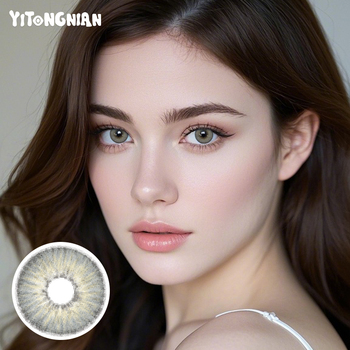 CE / ISO
Three-Tone Brown & Gray 14.5mm Enlarging Soft Lenses
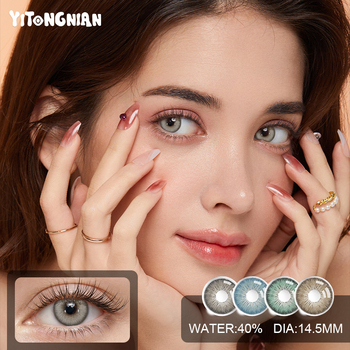 Annual Wear
Deep Limbal Ring Three-Tone Annual Cosmetic Lenses
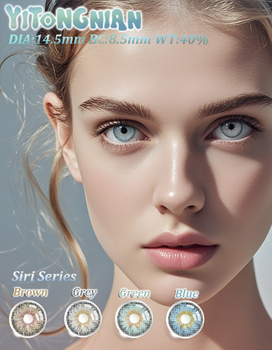 Si-Hy Class
High-Oxygen Silicone Hydrogel Natural Enlarging Lenses
 Merchandising
YITONGNIAN YY Acrylic Eco-Friendly Counter Display Stand
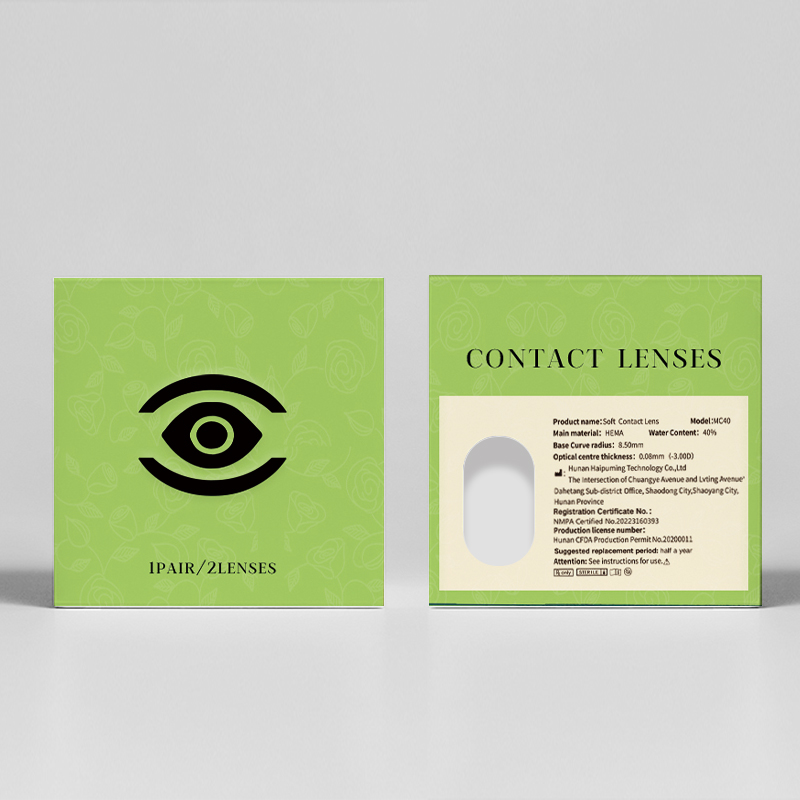 OEM Box
Custom Rigid PVC Drawer Box for Luxury Lens Packaging
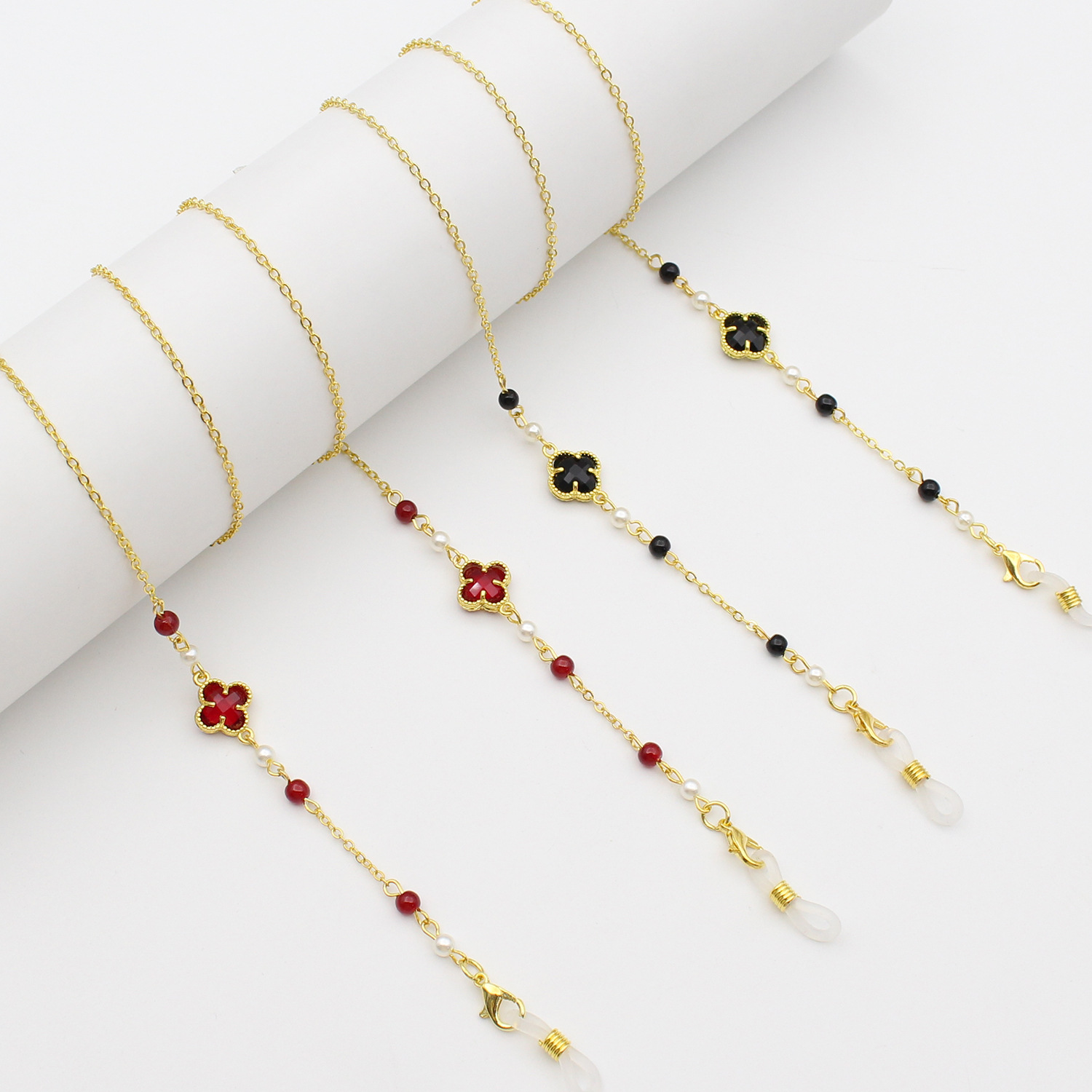 Retail Add-on
2-in-1 Four-Leaf Clover Crystal Eyewear Chain & Charm
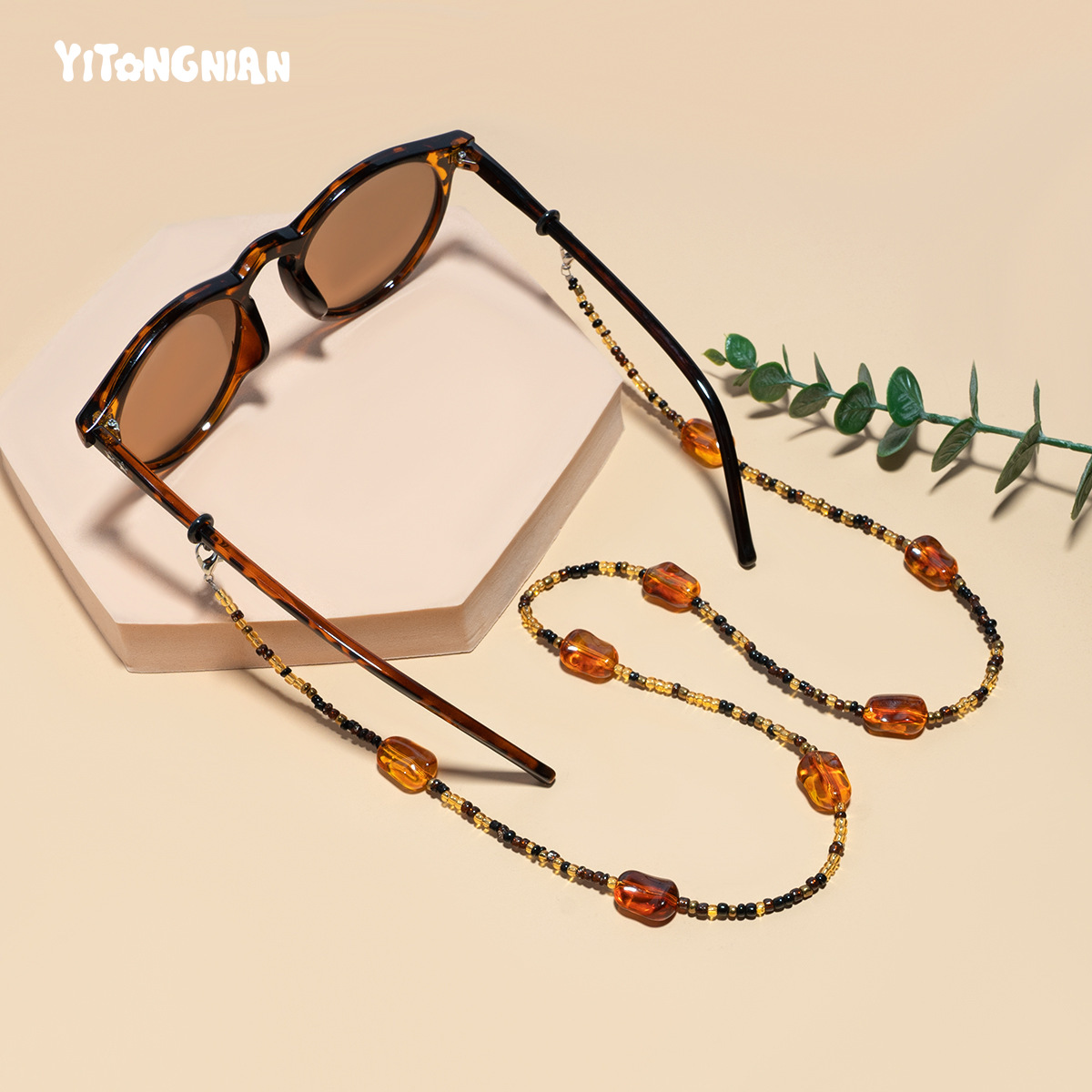 Optical Store
Retro Light Luxury Tortoiseshell Pattern Retaining Chain
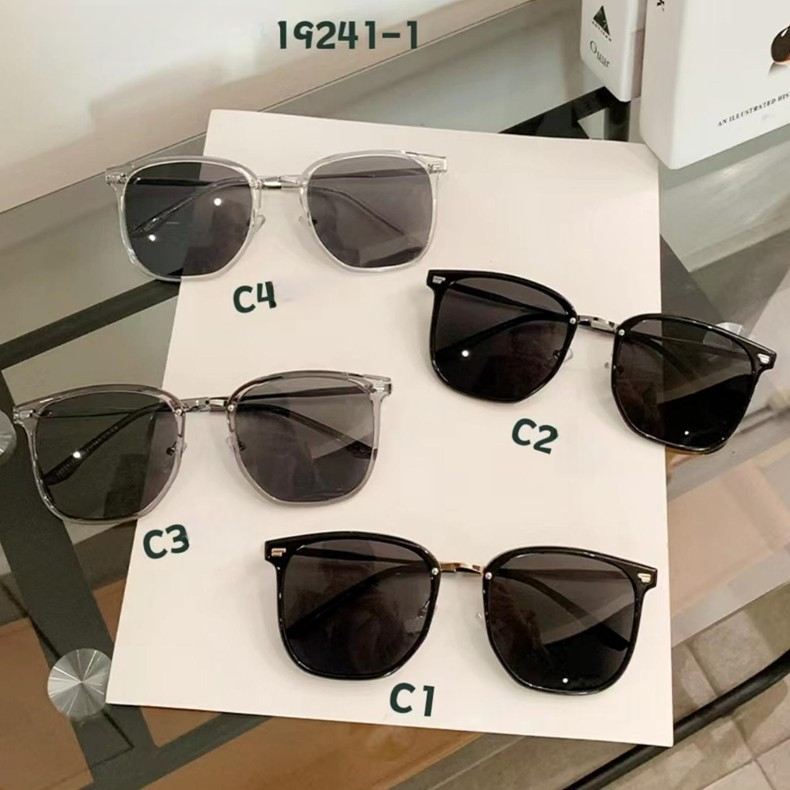 UV400 Shield
Large Frame Polarized Sunglasses for Post-Fitting UV Guard
Engineering Enlarging Contact Lenses: Polymer Mechanics & Pigment Isolation
A comprehensive guide for Sri Lankan optical distributors, cosmetic retailers, and ophthalmic professionals navigating supply chain procurement.
1. The Geometry of Iris Magnification: DIA vs. Graphic DIA (GDIA)
In contemporary cosmetic optometry, the illusion of ocular enlargement—frequently referred to as circle lenses or doll-eye lenses—does not rely merely on increasing the physical lens diameter (DIA). A standard hydrogel contact lens operates with a total chord diameter of 14.0 mm to 14.5 mm. However, the precise metric dictating visible iris expansion is the Graphic Diameter (GDIA), which defines the pigmented surface footprint. Standard human irises average 11.5 mm to 12.0 mm in visible diameter. Enlarging contact lenses intentionally expand the graphic perimeter to between 13.3 mm and 14.2 mm, bordered by a defined, semi-opaque peripheral limbal ring.
For South Asian demographics—notably in the Western, Central, and Southern Provinces of Sri Lanka where iris color is predominantly Type IV and Type V deep melanin brown—standard translucent cosmetic lenses fail to deliver defined contrast. Colorlenshub Technology Co., Ltd. utilizes an advanced micro-dot matrix pattern with elevated optical density at the outer 1.5 mm periphery. This creates an optical transition that accentuates ocular depth without exposing the clear sclera beneath the lens matrix, preventing the dreaded "halo artifact" that compromises aesthetic authenticity.
Technical Insight: Base Curve (BC) compatibility is paramount for the Sri Lankan population. Clinical fitting surveys indicate a median central corneal radius of 7.75 mm to 7.85 mm, matching a lens base curve of 8.5 mm to 8.6 mm. Inappropriate steepness induces limbal pinching and localized hypoxia, while an overly flat fit causes decentration, disrupting the concentric alignment of the dark limbal ring.
2. Biocompatibility & Micro-Encapsulation: The Sandwich Dye-Cast Process
Ocular safety remains the chief concern for institutional importers subject to Sri Lanka's National Medicines Regulatory Authority (NMRA). Traditional low-cost contact lens manufacturing employed surface printing or dye-immersion techniques, which left organic colorants in direct contact with the palpebral and bulbar conjunctiva. Under continuous blinking shear stress (averaging 12,000 blinks daily), exposed pigments risk micro-leaching, resulting in toxic keratopathy and giant papillary conjunctivitis.
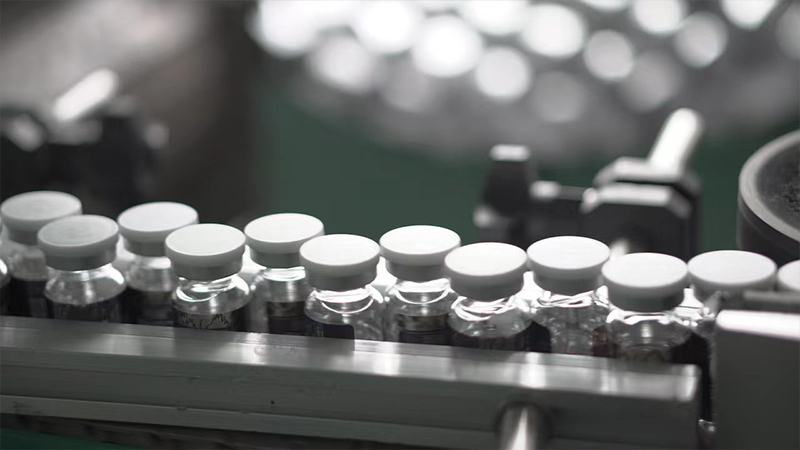
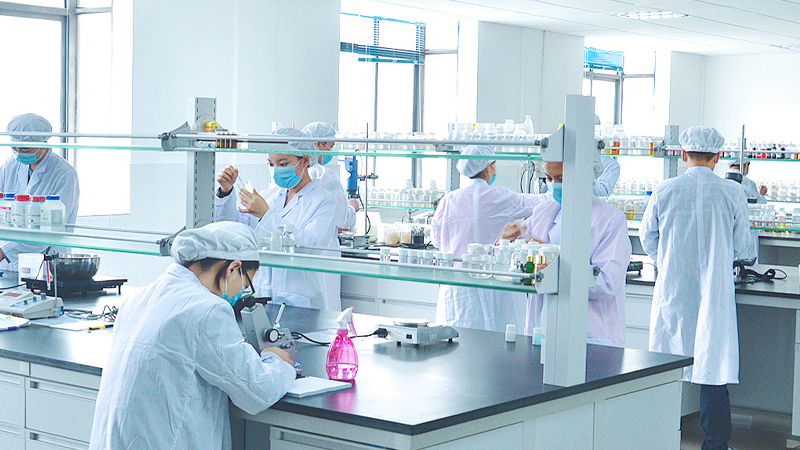
As an onsite SGS-verified manufacturer, our facility implements cleanroom-certified Cast Molding coupled with double-sided Polymer Encapsulation (Sandwich Technology). In this proprietary process, FDA-approved biocompatible pigment formulations (iron oxides, copper phthalocyanine, and titanium dioxide) are embedded squarely between two micro-thin strata of Poly-2-hydroxyethyl methacrylate (p-HEMA) hydrogel. The optical color layer never encounters the corneal epithelium nor the tarsal plates. Surface profilometry confirms that the anterior and posterior surface smoothness of our lenses matches that of untinted medical vision-correction lenses, exhibiting average surface roughness (Ra) under 12 nanometers.
| Polymer Parameter | Standard HEMA Matrix | Silicone Hydrogel (Si-Hy) | Impact on South Asian / Sri Lankan Wearers |
|---|---|---|---|
| Oxygen Permeability (Dk/t) | 20 – 28 × 10-9 | 85 – 135 × 10-9 | Mitigates corneal edema in high-humidity, air-conditioned urban offices (Colombo 03 / Kollupitiya). |
| Equilibrium Water Content (EWC) | 38% – 42% | 45% – 55% | 40% HEMA prevents tear-film desiccation caused by high outdoor ambient evaporation rates. |
| Modulus of Elasticity (MPa) | 0.30 – 0.45 MPa (Ultra-Soft) | 0.65 – 0.90 MPa (Medium) | HEMA provides instantaneous adaptation; Si-Hy offers superior handling and structural stability. |
| Limbal Ring Thickness | 0.08 mm Center Thickness | 0.075 – 0.085 mm | Maintains optical clarity without impeding peripheral tear exchange beneath the limbus. |
| Available Power Range | Plano (0.00) to -8.00 D | Plano (0.00) to -10.00 D | Addresses high-myopia prevalence among Sri Lankan students and corporate professionals. |
Localized Application Scenarios Across Sri Lanka
Understanding regional market behavior, seasonal bridal spikes, and optical procurement channels from Colombo to Jaffna.
The High-End Bridal & Wedding Industry
Sri Lanka’s multi-day traditional Sinhala (Poruwa) and Hindu Tamil weddings represent the single largest consumer driver for 14.5 mm enlarging lenses. Colombo, Kandy, and Negombo bridal dressing salons routinely specify "Honey Brown", "Hazel Mocha", and "Smoky Ash" lenses with deep limbal perimeters to create high-contrast, luminous ocular focus under intense studio flash photography.
Film, Teledrama & Model Media Agencies
Concentrated around broadcasting studios in Kelaniya, Pelawatte, and Maharagama, Sri Lanka’s media industry demands specialty lenses that transform natural dark-brown eyes on high-definition 4K digital cinema sensors. Enlarging lenses featuring soft 3-tone color transitions ensure characters maintain organic eye movements without appearing artificial on close-up screen displays.
Omnichannel & Social Commerce Boutiques
Urban youth across Colombo 07, Dehiwala, Mount Lavinia, and Galle are increasingly acquiring lifestyle lenses via online platforms and Instagram-integrated direct-to-consumer cosmetics merchants. These buyers gravitate toward low-friction, sterile blister-pack sets paired with custom drawer gift boxes and luxury acrylic vanity travel kits.
Future Trends in Sri Lanka’s Contact Lens Sector
How consumer literacy, climate dynamics, and regulatory sophistication are reshaping import demand through 2030.
1. Migration from Annual Glass Vials to Monthly and Daily Disposables
Historically, the Sri Lankan market favored 1-year conventional glass vial lenses due to their low per-unit wholesale acquisition cost. However, rising awareness of ocular hygiene, fostered by the College of Ophthalmologists of Sri Lanka, is steering commercial volume toward monthly and daily disposable modalities. Daily disposables eliminate the risk of bacterial biofilm deposition (notably Pseudomonas aeruginosa and Acanthamoeba), which is amplified in Sri Lanka's warm, coastal climate where average relative humidity hovers between 70% and 85%.
2. Dual Functional Lenses: Class II UV Blocking + Enlarging Optics
With an average UV index exceeding 11 throughout most of the year across Sri Lanka's tropical latitudes, progressive optical buyers are stipulating built-in Class 1 or Class 2 ultraviolet absorption standards. Our latest generation of enlarging lenses incorporates a polymerizable UV-absorbing monomer within the HEMA backbone, filtering more than 85% of UV-A radiation and over 96% of harmful UV-B rays, protecting the delicate crystalline lens and retina during daily urban commutes.
3. Private Labeling for Local Optical Chains (Vision Care, Wickramarachchi, Eagle)
Leading optical retailers across Sri Lanka are moving away from third-party brands with hyper-transparent online prices. Instead, they are partnering directly with Colorlenshub to establish proprietary, exclusive sub-brands. By customizing outer packaging boxes, blister foils, and branded acrylic display cabinets, local distributors command retail profit margins upward of 300% while insulating their product lines against predatory e-commerce price slicing.
Verified Manufacturing & Global Export Credibility
Rigorous technical infrastructure evaluated onsite by SGS Group, purpose-built to accelerate your import customs clearance.
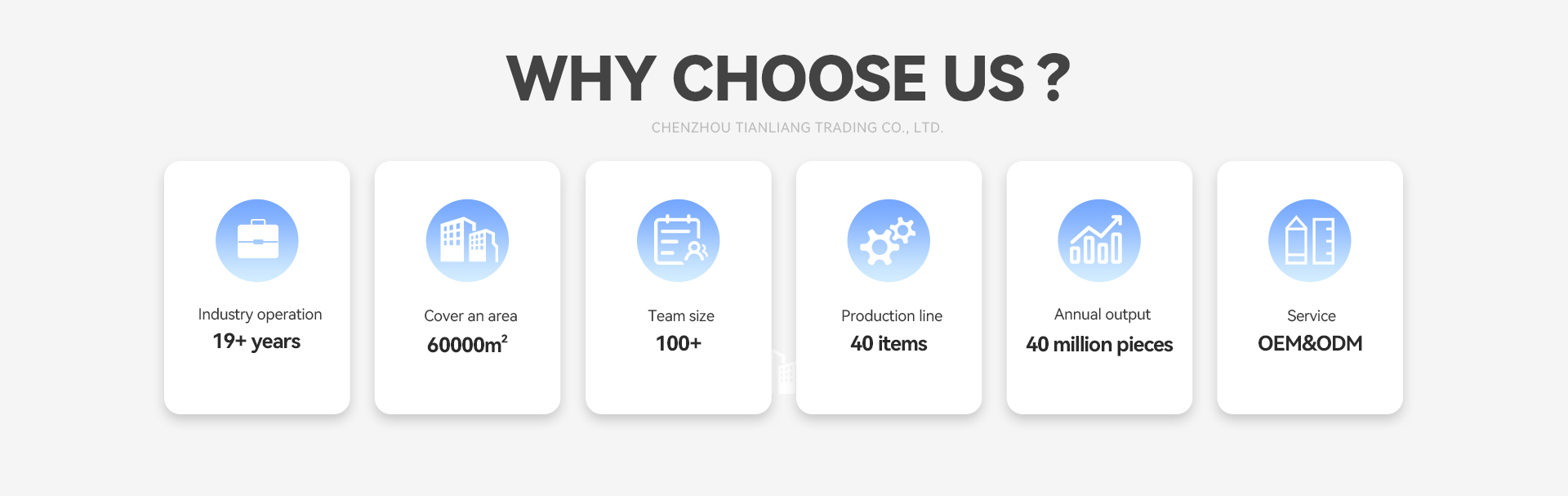
6+ consecutive years dedicated exclusively to contact lens export innovation.
Full internal staff encompassing optical engineers, QC specialists, and design teams.
Climate-stabilized cleanroom logistics center maintaining over 1,000,000 pairs in reserve.
Extensive inventory including natural 3-tone, cosplay, and toric custom series.

Sri Lanka Wholesale Procurement & Compliance FAQ
Clear operational answers for commercial importers, optometrists, and customs brokers.
What is the minimum order quantity (MOQ) for shipping to Colombo?
For our ready-to-ship stock collections, the MOQ is just 10 pairs per design across mixed prescription powers (plano to -8.00). For custom private-label projects with client branding on blisters and retail packaging, project MOQs generally begin at 100 to 500 units depending on the complexity of the box construction.
How does our business register contact lenses with Sri Lanka's NMRA?
In Sri Lanka, colored and prescription contact lenses are categorized as Class II medical devices by the National Medicines Regulatory Authority (NMRA). Colorlenshub provides corporate buyers with the complete technical dossier, including ISO 13485:2016 certifications, CE Conformity declarations, sterile test validation, stability reports, and Free Sale Certificates (FSC) to facilitate your local Sample Evaluation and Import License authorization.
What air cargo and express courier lead times apply to Colombo (CMB)?
Ready stock consignments are dispatched from our warehouse within 3 to 5 business days after payment confirmation. Air-freight transit via DHL, FedEx, or dedicated air forwarders to Bandaranaike International Airport (CMB) typically requires 4 to 7 working days. Ocean shipments to the Port of Colombo take approximately 18 to 24 days for high-volume consolidation containers.
Which lens diameter (DIA) sells fastest across the Sri Lankan beauty market?
A 14.5 mm diameter with a graphic diameter (GDIA) between 13.6 mm and 13.8 mm is our highest-volume specification for Sri Lanka. This sizing achieves noticeable iris magnification without causing edge lifting or discomfort against the South Asian palpebral aperture.
Do you support optical myopia corrections for enlarging circle lenses?
Yes. We maintain extensive stock in plano (0.00) alongside vision correction powers ranging from -1.00 to -8.00 in 0.25 D increments (and 0.50 D increments above -6.00). This allows optical stores to serve both cosmetic and vision-correction buyers from a unified display.
What is the unopened shelf life and saline stability of the sterile packaging?
All lenses are sealed within sterile buffered physiological saline with a pH balanced between 7.0 and 7.4. Every blister and vial undergoes 121°C moist-heat autoclave sterilization, providing a guaranteed shelf life of 5 years from the date of manufacture when stored away from direct thermal radiation.
Request Sample Kits & Wholesale Import Pricing
Expand your retail margin in Sri Lanka's growing contact lens sector. Consult our senior account directors to review high-resolution swatch catalogs, request physical samples, and receive full NMRA regulatory dossier support.