Curated Contact Lens & Optical Formats for Jakarta Brands
Engineered for high breathability, stable hydration, and vibrant pigmentation. Discover our flagship contact lens lines, display systems, and custom cosmetic packaging tailored for Indonesian optometrists, e-commerce boutiques, and beauty conglomerates.
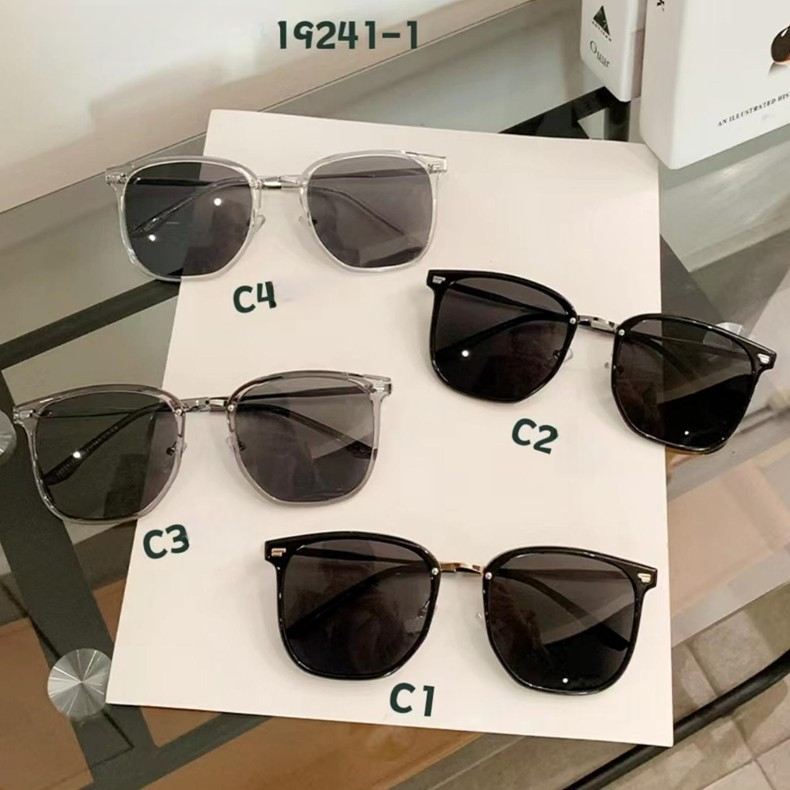
Fashionable and Popular Polarized Sunglasses for Street Style
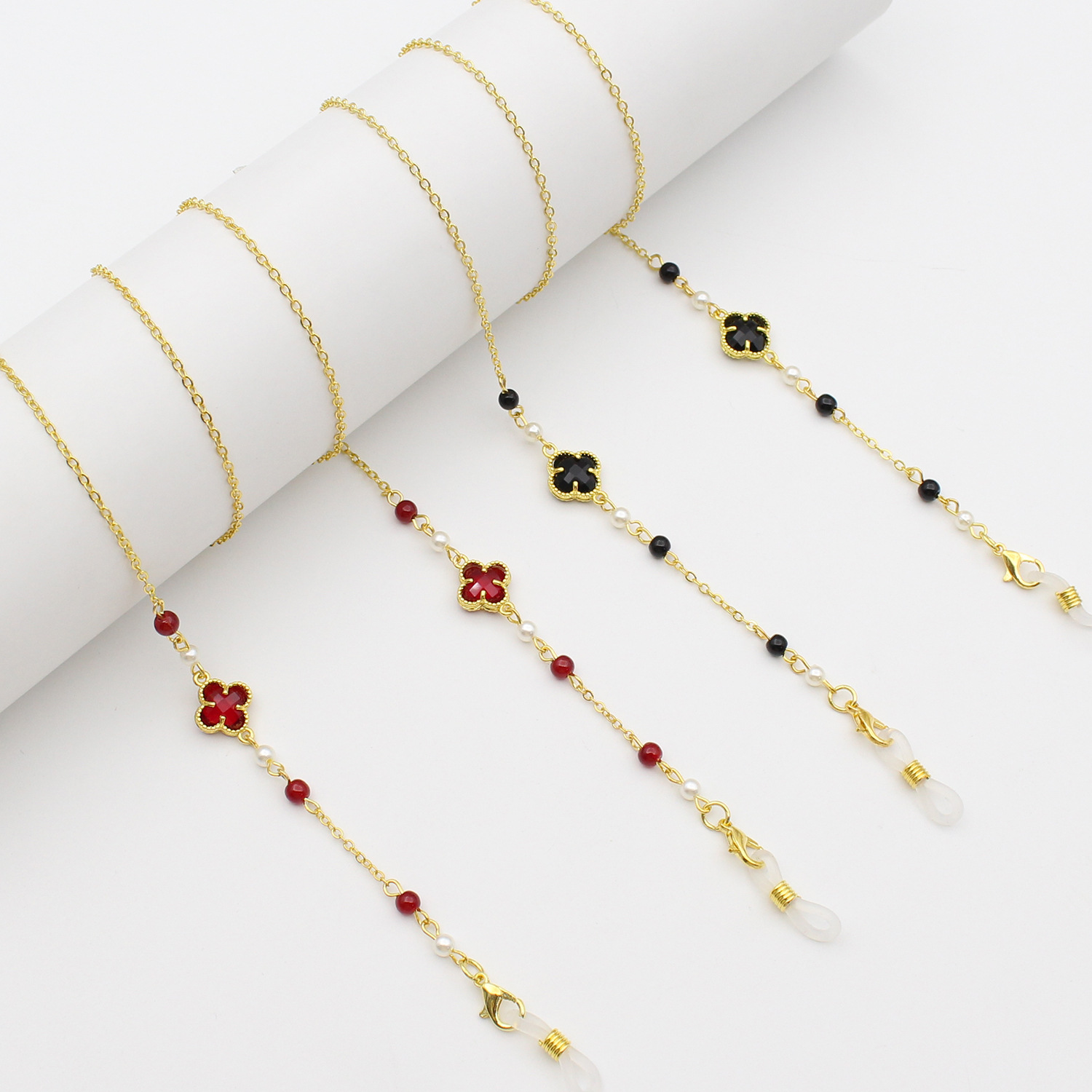
Crystal Four-Leaf Clover 2-in-1 Petal Shaped Eyewear Chain
YITONGNIAN Acrylic Eco-Friendly Color Contact Lens Display Stand
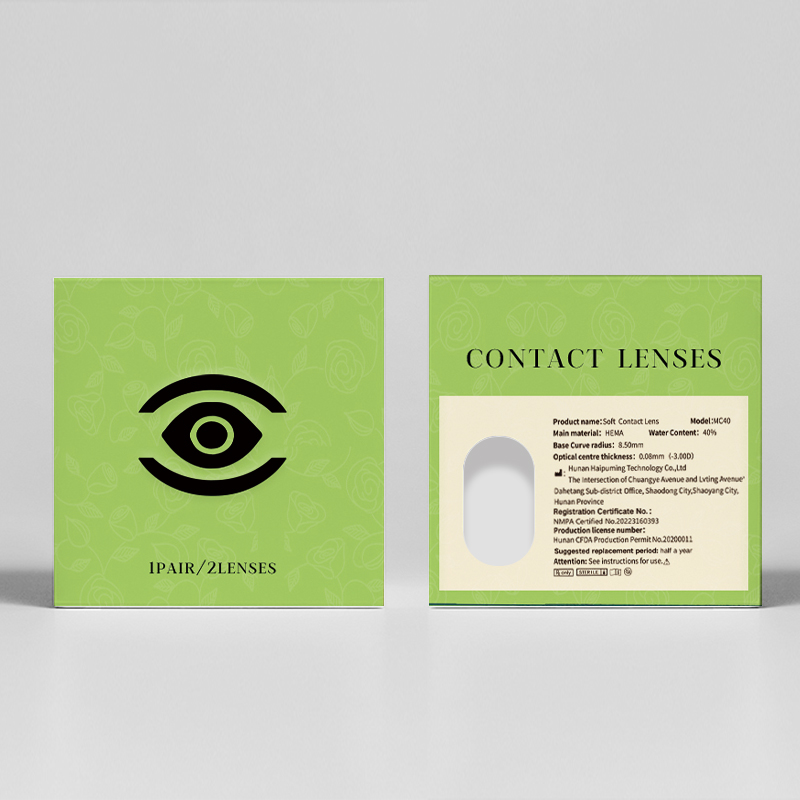
Custom PVC Sliding Drawer Packaging Gift Box for Color Contacts
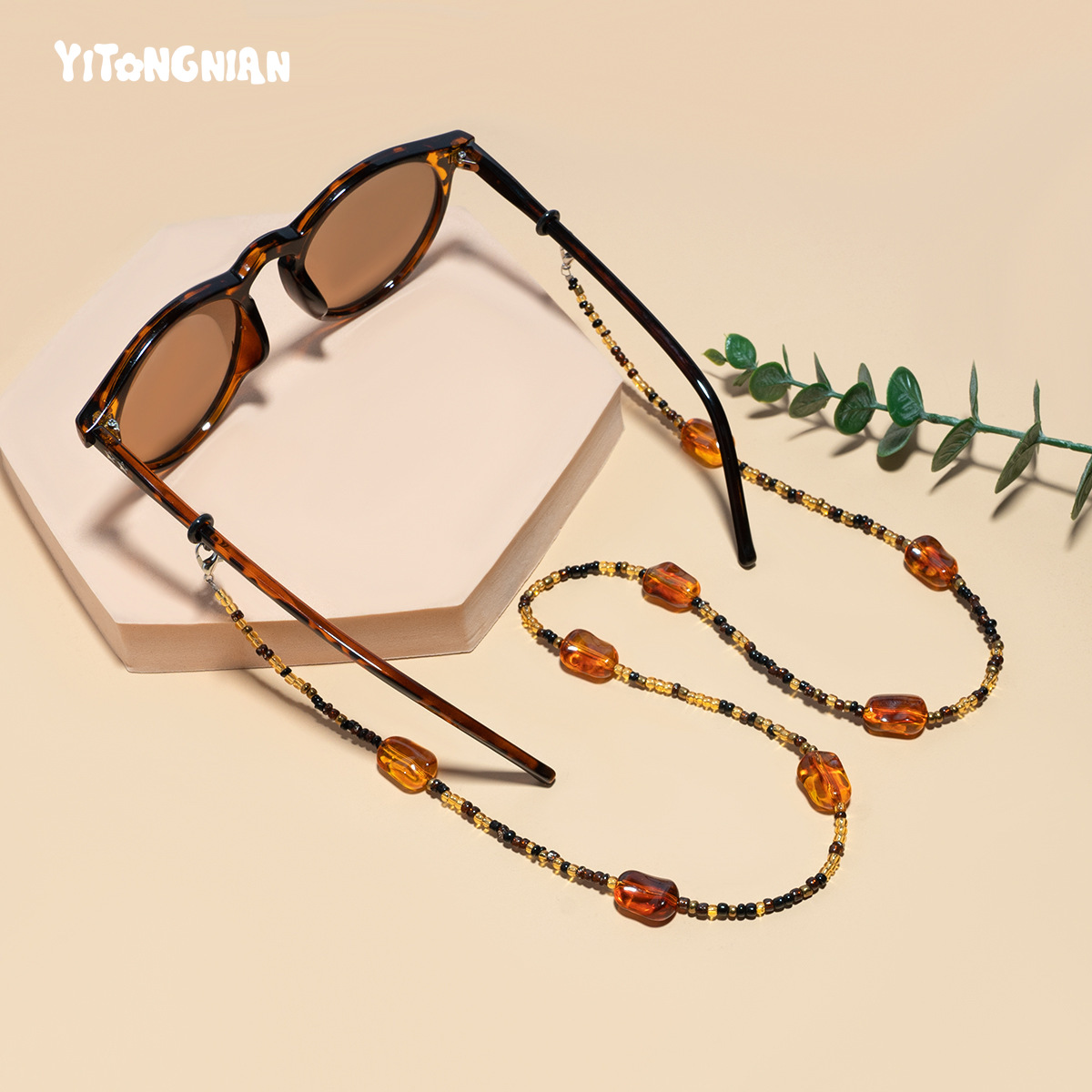
Retro Light Luxury Natural Tortoiseshell Pattern Eyewear Chain
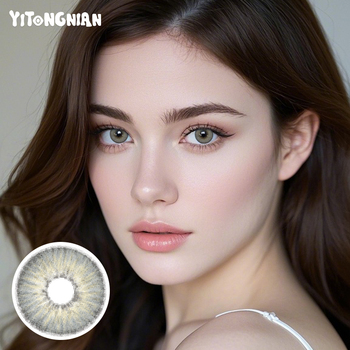
Natural 3-Tone Cosmetic Soft Lenses (Brown, Grey, Honey)
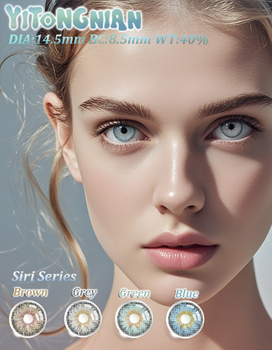
Extended Wear Silicone Hydrogel Ultra-Oxygen Cosmetic Lenses
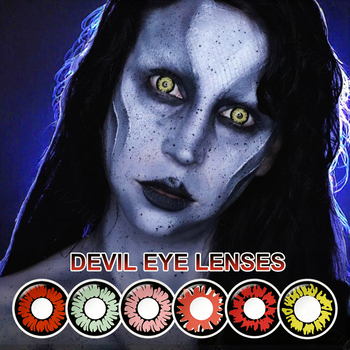
Anime, Cosplay & Special-Effect Fantasy Contact Lenses
Cosmetic Contact Lens Engineering & Sourcing in the Greater Jakarta (Jabodetabek) Ecosystem
The cosmetic eyewear and beauty lens industry across Jakarta, Tangerang, Bekasi, and South Tangerang is undergoing rapid sophistication. Transitioning beyond low-cost unbranded imports, modern Indonesian beauty brands, clinic franchises, and lifestyle retailers demand CE-certified, ISO 13485-monitored, biocompatible cosmetic contact lenses designed specifically for Southeast Asian ocular anatomies and tropical urban lifestyles.
As an authoritative OEM/ODM manufacturer with over six years of rigorous manufacturing tenure and an SGS onsite-audited facility, Colorlens Hub bridges the gap between advanced micro-pigment entrapment technologies and localized consumer expectations in Jakarta. This whitepaper analyzes formulation dynamics, regulatory frameworks, wearability considerations, and market positioning strategies critical for Indonesian brand stakeholders.
1. Anatomical Adaptation & Environmental Resilience for Indonesia
Jakarta’s climate presents a dual ocular challenge: outdoor atmospheric humidity exceeding 80% coupled with elevated levels of urban airborne particulate matter, countered abruptly by dry, continuous air conditioning in office towers across Sudirman Central Business District (SCBD), Mega Kuningan, and retail epicenters like Grand Indonesia and Pondok Indah Mall. In such environments, traditional low-cost contact lenses suffer rapid surface dehydration, precipitating tear-film destabilization, lipid accumulation, and wearer discomfort.
Our OEM formulations address these localized physiological friction points through two specialized polymer platforms:
Bio-Balanced Poly-HEMA (Hydroxyethyl Methacrylate): Formulated with a stabilized 38% to 40% water equilibrium. Unlike high-water-content polymers that absorb moisture from the wearer’s cornea to sustain matrix equilibrium in air-conditioned offices, our controlled-hydration HEMA maintains corneal moisture homeostasis over 12-hour wear cycles.
Silicone Hydrogel (Si-Hy) High-Dk Matrix: Integrating siloxane macromers to achieve elevated oxygen transmissibility (Dk/t), drastically mitigating hypoxic stress, neovascularization, and corneal fatigue among urban professionals and digital commuters across Jabodetabek.
| Polymer Architecture | Water Content | Base Curve (BC) | Diameter (DIA) | Ideal Wearer Application |
|---|---|---|---|---|
| HEMA Multi-Tone Hydrogel | 38% – 40% | 8.5 – 8.6 mm | 14.0 – 14.5 mm | Daily beauty wear, high color opacity for dark irises, retail fashion boutiques. |
| Silicone Hydrogel (Si-Hy) | 42% – 45% | 8.6 mm | 14.2 mm | Extended office wear, air-conditioned environments, premium medical aesthetics. |
| Graphic Cosplay Matrix | 40% | 8.5 mm | 14.5 mm | Convention performance, pop-culture events, high-impact photo and video capture. |
2. Color Science: Optimizing Graphic Diameters for Southeast Asian Irises
Naturally dark brown Asian irises (predominant across the Indonesian demographic) present unique chromatic challenges for cosmetic lens formulators. Standard European or North American prints often appear unnatural, muted, or excessively translucent against a dark background.
Colorlens Hub employs a proprietary Triple-Layer Micro-Dot Matrix printing technique. Micro-pigments are deposited in concentric density layers: an outer feather-light limbal ring that enhances iris boundary contrast without appearing harsh; an intermediate chromatic gradation (honey, hazel, charcoal grey, or olive green) calibrated with micro-apertures that blend organically with native melanin; and an inner pupil transition zone engineered to prevent the "tunnel vision" or chromatic aberration commonly reported in unrefined prints.
Crucially, our manufacturing process encapsulates all colorants via Sandwich Biocompatible Technology. Micro-pigments are hermetically sealed between two layers of polymer matrix, guaranteeing zero direct dye contact with corneal epithelium, safeguarding against conjunctival allergic reactions, micro-abrasions, and pigment leaching.
Application Scenarios & Consumer Trends Across Greater Jakarta
Analyzing key cultural, digital, and retail touchpoints driving cosmetic contact lens consumption across Jakarta and surrounding urban centers.
Halal-Conscious Lifestyle & Modest Fashion Integration
Jakarta stands as the global capital of modern Islamic fashion. During weddings, Eid al-Fitr, and seasonal social galas, cosmetic lenses are an essential accent to modest wear and hijab styles. Our natural hazel, choco, and warm grey series integrate seamlessly with Indonesian makeup trends, offering understated elegance without compromising purity standards or ocular hygiene.
TikTok Shop & Shopee Live Social Commerce
Indonesia's e-commerce landscape is intensely video-centric. High-definition live streams on TikTok Shop Indonesia and Shopee Live require lenses with pronounced camera clarity and striking contrast. Our 14.2mm–14.5mm graphic diameters offer immediate on-camera appeal, giving content creators and beauty influencers noticeable iris definition that drives instant shopping-cart conversions.
Cosplay, Comic-Con & Creator Conventions
Jakarta's youth culture vigorously celebrates gaming, anime, and creative conventions such as Indonesia Comic Con. Demand for high-pigment red, violet, cat-eye, and Sharingan lenses peaks systematically ahead of major regional expositions. We provide Jakarta retailers with ready-to-ship stock collections and specialty packaging, allowing brands to capture high-margin event spikes without inventory overhang.
Emerging Procurement Trends in the Indonesian Contact Lens Market
Key strategic shifts every optical brand director, e-commerce entrepreneur, and medical distributor in Jakarta must anticipate for sustained competitive growth.
Shift Toward Daily & Monthly Disposables
While annual replacement vials historically dominated Indonesian retail due to perceived unit affordability, middle-class consumers in Menteng, Kelapa Gading, and PIK increasingly prioritize hygiene and ocular wellness. Daily disposable blister packs and monthly regimens are recording double-digit compound annual growth rates, mitigating protein accumulation risks in tropical heat.
Rigorous BPOM & MoH Compliance Focus
Indonesian regulatory oversight via the Ministry of Health (Kemenkes) and BPOM is tightening on Class II medical devices. Jakarta distributors can no longer rely on unverified gray-market channels. Sourcing from an audited facility with international CE, ISO 13485, and MDD certification dossiers is mandatory to guarantee smooth import clearance and clinical credibility.
Unboxing Experience & Premium Turnkey Kits
Cosmetic lenses in Indonesia are marketed as luxury accessories rather than medical corrections. Direct-to-consumer (D2C) brands demand customized sliding drawer boxes, magnetic presentation cases, antimicrobial lens applicators, and high-clarity acrylic store displays to command premium retail margins of 300% to 500% over basic blister packaging.
Our Verified Manufacturing & Supply Chain Infrastructure
SGS Onsite Verified. Decades of collective optical expertise ensuring stable inventory, low startup risk, and full private-label customization for Indonesian enterprises.
6+ Years specialized in soft contact lens manufacturing & export.
Dedicated cleanroom technicians, QC engineers, & packaging designers.
Natural, 3-tone, prescription, and creative series ready to sample.
Low barrier trial orders for emerging Indonesian beauty startups.
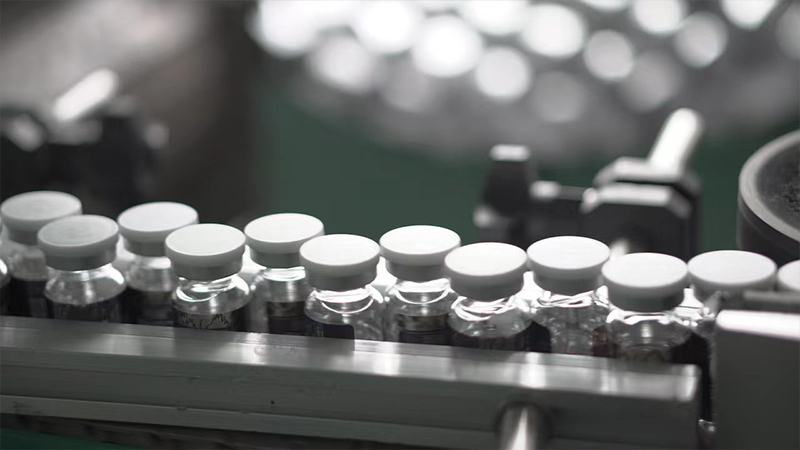 Precision Cast-Molding Area
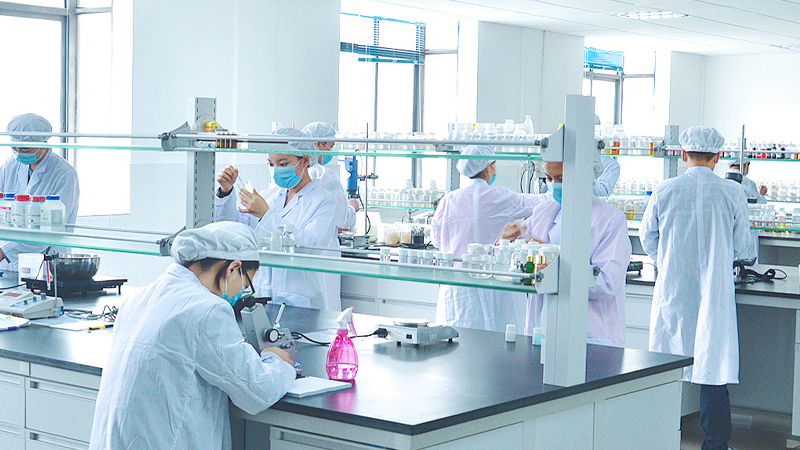 Optical Parameter & Edge Inspection
 Sterilization & Packaging Facility
 SGS Group Onsite Assessment
Frequently Asked Questions: Sourcing Contact Lenses in Jakarta
Direct, transparent answers addressing regulatory clearance, MOQ tiers, customization options, and logistics for Indonesian importers.