Curated High Water Content Lenses & Optical Ecosystem
Explore medical-grade contact lenses alongside bespoke retail packaging and display accessories designed for swift regulatory clearance and commercial sell-through across the Benelux region.
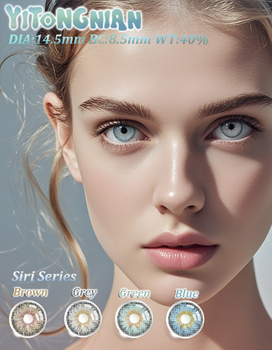
High-Oxygen Silicone Hydrogel Breathable Contact Lenses
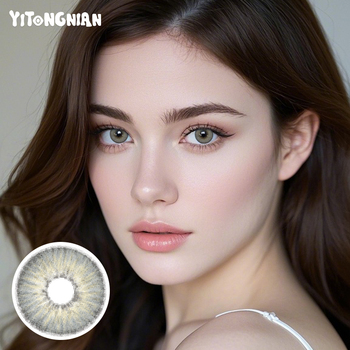
Ultra-Moist Three-Tone Natural Cosmetic Contact Lenses

Prescription High Water Soft Lenses (Plano to -8.00)
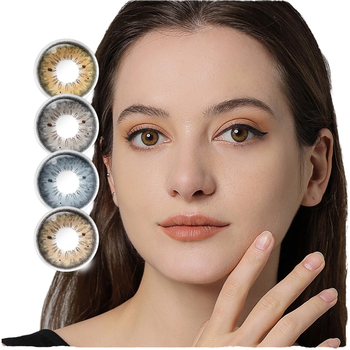
Special-Effect Sharingan Vivid Cosplay Soft Lenses
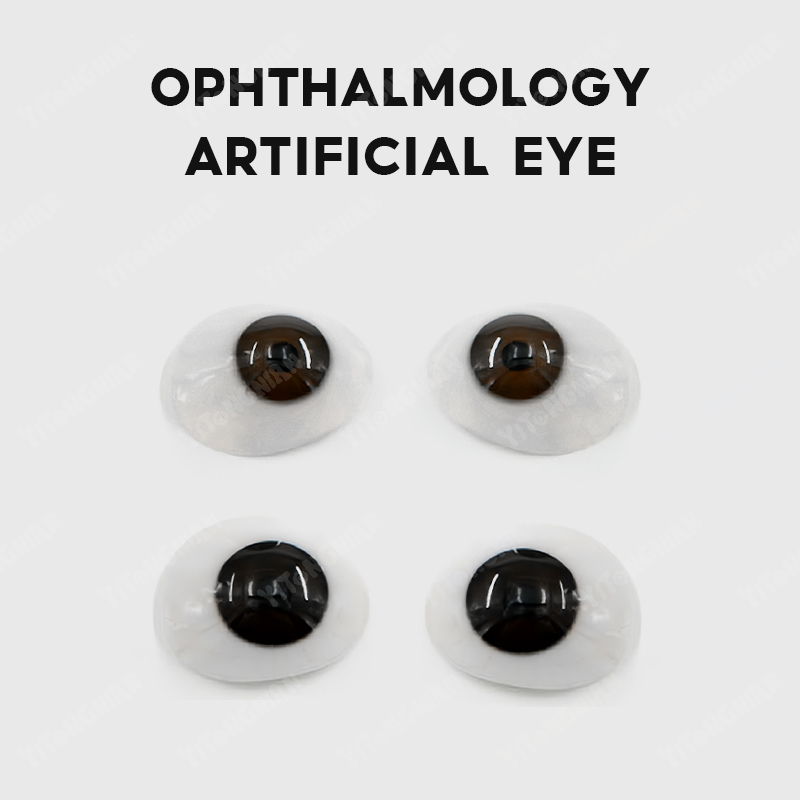
YITONGNIAN Acrylic Medical Optical Display Stand
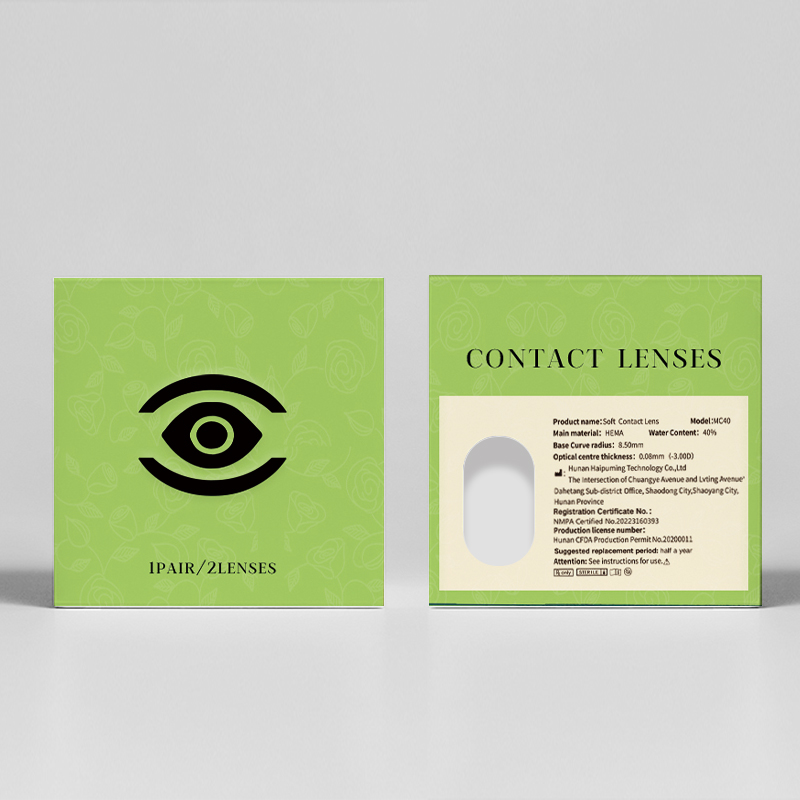
Custom PVC Sliding Drawer Gift Box for Contact Lenses
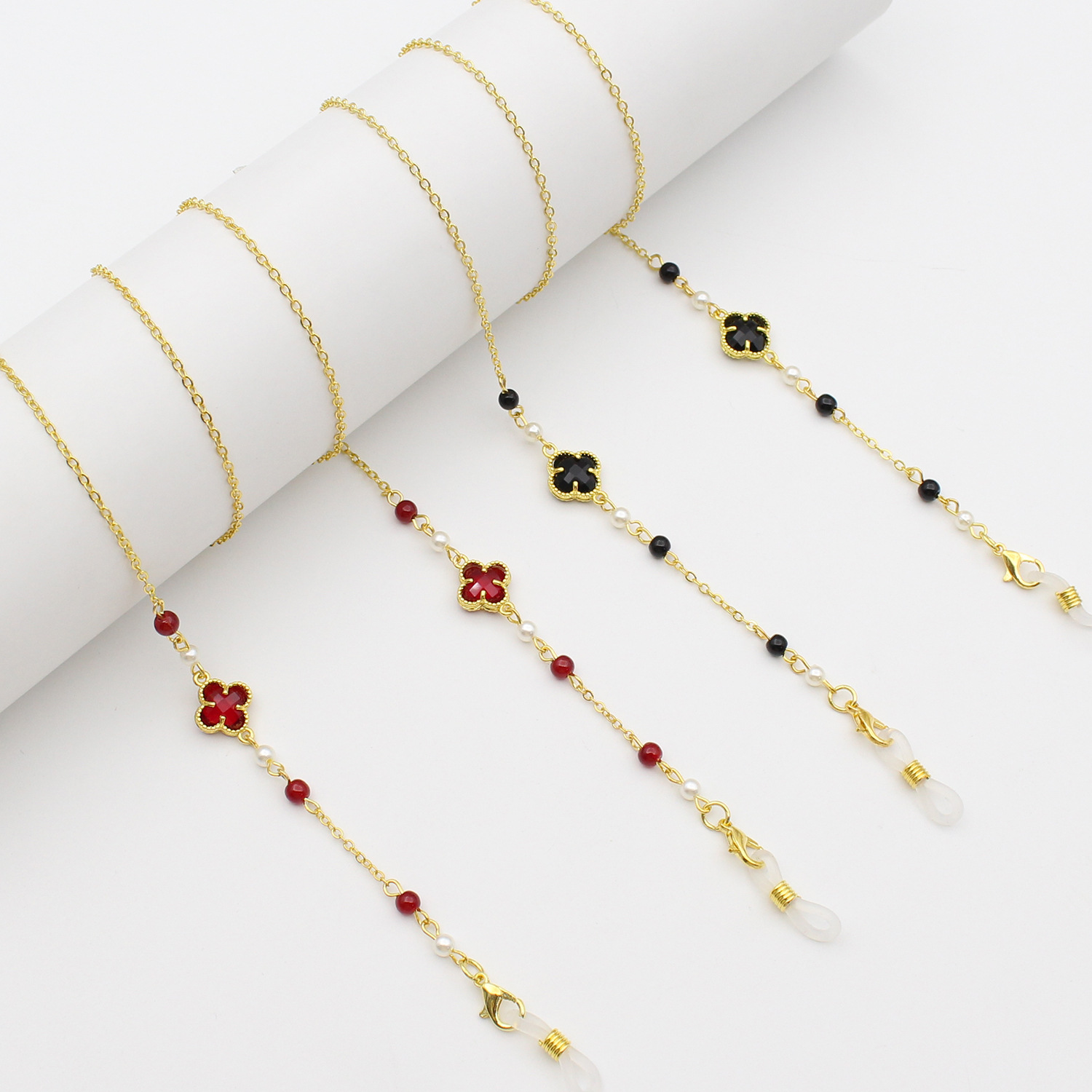
2-in-1 Four-Leaf Clover Crystal Optical Eyewear Chain
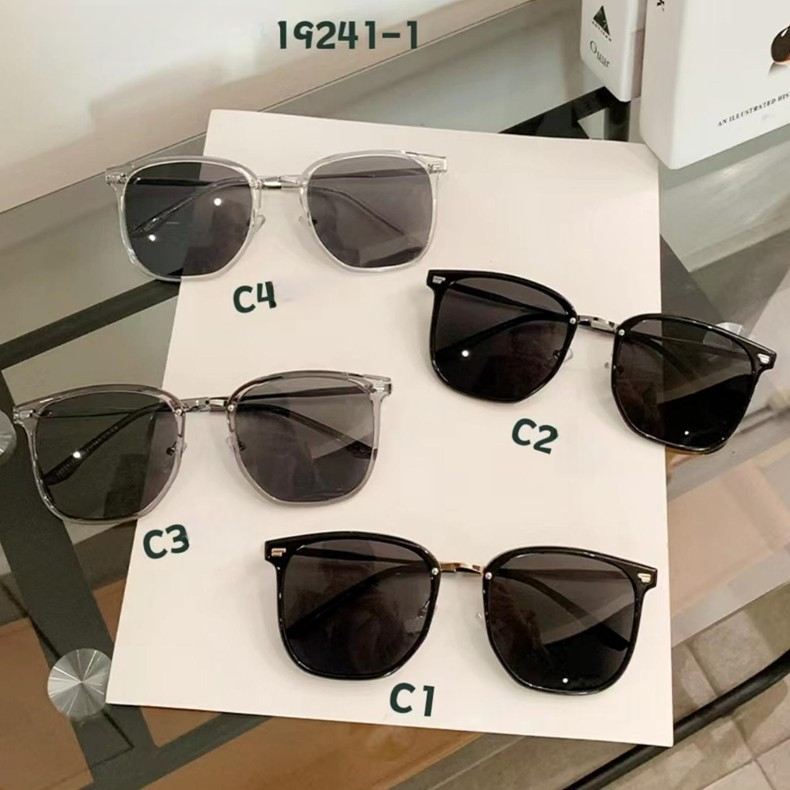
UV400 Large-Frame Polarized Sunglasses for Eyewear Chains
The Netherlands Contact Lens Market: Biocompatibility, Hydration, and Import Dynamics
A comprehensive technical analysis for Dutch optometry buyers, private-label beauty brands, and healthcare importers sourcing from Chinese manufacturing hubs.
The Kingdom of the Netherlands stands as one of the most mature, digitally integrated, and quality-sensitive contact lens markets in Western Europe. Characterized by high consumer disposable income, a sprawling network of independent opticians (zelfstandige opticiens), optical buying groups such as Optitrade, and aggressive fast-fashion retail chains, Dutch consumers demand optical medical devices that balance ocular safety with extended ergonomic comfort. In recent years, dynamic climate conditions across urban centers like Amsterdam, Rotterdam, The Hague, and Utrecht—marked by variable indoor central heating during damp winters and maritime wind exposure during daily cycling commutes—have placed unprecedented scrutiny on lens hydration dynamics. For Dutch eye care professionals (ECPs) and beauty distributors, sourcing high water content contact lenses from specialized Chinese manufacturers has transitioned from a pure cost-arbitrage strategy into an advanced supply chain partnership centered on material biocompatibility, high oxygen transmissibility (Dk/t), and rigorous adherence to the European Union Medical Device Regulation (EU MDR 2017/745).
Historically, traditional hydrogel contact lenses manufactured with 2-hydroxyethyl methacrylate (HEMA) provided standard hydration ranging between 38% and 42%. While sufficient for sedentary office routines, these first-generation polymers often presented elevated dehydration rates in ambient air conditioned or maritime microclimates. As water evaporates from a standard hydrogel matrix, the lens structure draws moisture directly from the pre-corneal tear film, inducing end-of-day dryness, conjunctival hyperemia, and contact lens-induced dry eye (CLIDE). To overcome these clinical hurdles, leading Chinese export-oriented manufacturers, notably Colorlenshub Technology Co., Ltd. (Colorlens Hub), have pioneered next-generation hydrophilic and silicone hydrogel formulations. By integrating hydrophilic monomer chains such as N-vinylpyrrolidone (NVP) and phosphorylcholine (PC) analogies with advanced cross-linking technologies, our current export line provides equilibrium water content (EWC) up to 58%, combined with high core oxygen permeability, ultra-low modulus (under 0.5 MPa), and an ultra-thin center thickness (CT) calibrated at exactly 0.08 mm.
| Polymer Classification | Water Content (%) | Oxygen Permeability (Dk/t) | Wettability / Contact Angle | Ideal Dutch Application Scenario |
|---|---|---|---|---|
| HEMA High-Moisture Matrix | 40% – 42% | 22 – 28 Dk/t | 45° (Hydrophilic Polishing) | Cosmetic beauty retail, daily fashion, seasonal events |
| Advanced Hydrophilic NVP Copolymer | 55% – 58% | 32 – 38 Dk/t | 38° (Enhanced Hydration) | Urban office workers, VDU screen use, student lifestyle |
| Silicone Hydrogel (Si-Hy Gen 3) | 45% – 48% | 120 – 145 Dk/t | 35° (Plasma Surface Treated) | All-day cycling commuters, sports, dry indoor climates |
| Color-Encapsulated Sandwich Hydrogel | 40% | 26 Dk/t | 42° (Isolated Micro-Pigment Layer) | Optical boutique cosmetic sales, natural iris enhancement |
The operational landscape for Chinese manufacturers serving the Netherlands requires a profound grasp of Dutch import compliance. Under the oversight of the Dutch Health and Youth Care Inspectorate (Inspectie Gezondheidszorg en Jeugd - IGJ), contact lenses are classified as Class IIa medical devices. Any non-EU manufacturer supplying the Dutch market must maintain an appointed European Authorized Representative (EC REP), operate under an audited ISO 13485:2016 quality management system, and issue verified Declarations of Conformity. Colorlens Hub addresses these strict requirements through full-scope manufacturing compliance, verified on-site facility audits conducted by the SGS Group, and exhaustive batch-level testing covering bio-burden, cytotoxicity, residual monomers, tensile strength, and optical aberration analysis using modern wavefront sensors.
Where High Water Content Lenses Excel in the Netherlands
Targeted solutions engineered for specific Dutch environmental factors, consumer demographics, and retail distribution models.
Daily Cycling Commutes & Wind Resistance
Over 36% of Dutch journeys are made by bicycle. High linear wind velocities across coastal Dutch polders accelerate tear film breakup. Our high water content formulations feature rounded edge profiles and low wetting angles to maintain continuous corneal lubrication during daily cycling routines in Amsterdam, Rotterdam, and Den Haag.
Office Ergonomics & Screen Fatigue
The Netherlands possesses one of Europe's highest concentrations of knowledge workers and software enterprises. Staring at digital displays reduces spontaneous blink rates by up to 60%. Our balanced hydration hydrogel reduces lens surface desiccation, maintaining clear optical focus and minimizing end-of-day strain for tech professionals across the Randstad.
Cosmetic Boutique Retailing & Natural Enhancement
Dutch cosmetic preferences heavily favor effortless minimalism, termed the "no-makeup makeup" aesthetic. Utilizing proprietary 3-tone micro-dot printing, our natural colored lenses seamlessly integrate with Northern European blue, green, and light hazel irises, allowing high-street beauty chains to sell high-margin lifestyle lenses with zero pigment-to-cornea contact.
Electronic Festivals & Cosplay Subcultures
From world-renowned electronic music events (such as ADE, Awakenings, and Defqon.1) to major European comic conventions, the Dutch youth demographic demands high-impact, opaque aesthetic lenses. Colorlens Hub supplies specialized high-hydration cosplay lenses that allow safe, non-irritating wear throughout vibrant festival environments.
E-Commerce Direct-to-Consumer (D2C) Brands
Dutch consumers lead Europe in cross-border e-commerce adoption, leveraging iDEAL payment integrations. We provide Dutch D2C brands with turnkey fulfillment-ready packaging, custom PVC drawer gift boxes, tamper-evident blister seals, and low MOQs (from 10 pairs for stock lines), enabling lean inventory management and rapid product iteration.
Emerging Industry & Regulatory Trends in the Netherlands
Critical structural shifts shaping procurement, compliance, and product formulation strategies for 2025 and beyond.
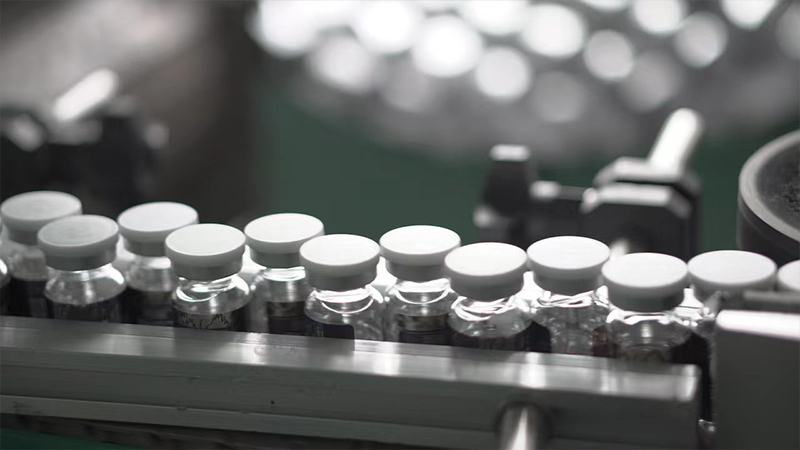
1. Shift Toward Daily Disposable Modalities: While monthly and annual replacement lenses maintain steady volume among cosmetic users, the Dutch medical optometry sector is experiencing an accelerated migration toward daily disposables (daglenzen). Driven by Dutch consumer emphasis on hygiene and convenience, high water content single-use lenses eliminate the complexities of chemical disinfectant regimens and protein buildup. Chinese manufacturers capable of offering sterile automated blister packaging lines are capturing significant OEM market share from traditional European legacy producers.
2. Stringent Sustainability and Recyclability Mandates: The Dutch government's circular economy action plan places stringent demands on single-use packaging. Forward-thinking Dutch importers now require suppliers to demonstrate sustainable production workflows. In response, Colorlens Hub has integrated biodegradable paper packaging boxes, reduced blister foil thicknesses without compromising barrier sterility, and engineered recyclable acrylic display stands that align directly with Dutch corporate social responsibility (CSR) benchmarks.
3. The Intersection of Vision Correction and Aesthetics: The distinction between purely cosmetic lenses and therapeutic optical products has dissolved across the Dutch optical market. Modern consumers actively demand corrective spherical powers (ranging from -0.50 to -8.00 D) combined with intricate cosmetic iris patterns. Chinese manufacturers that maintain sterile power-sorted inventory ready for immediate air freight fulfillment allow Dutch retailers to serve ametropic consumers without imposing prolonged multi-week lead times.
Why Dutch Importers Partner with Colorlenshub Technology Co., Ltd.
Combining verified medical manufacturing capability with agile OEM private-label development for global eyewear enterprises.
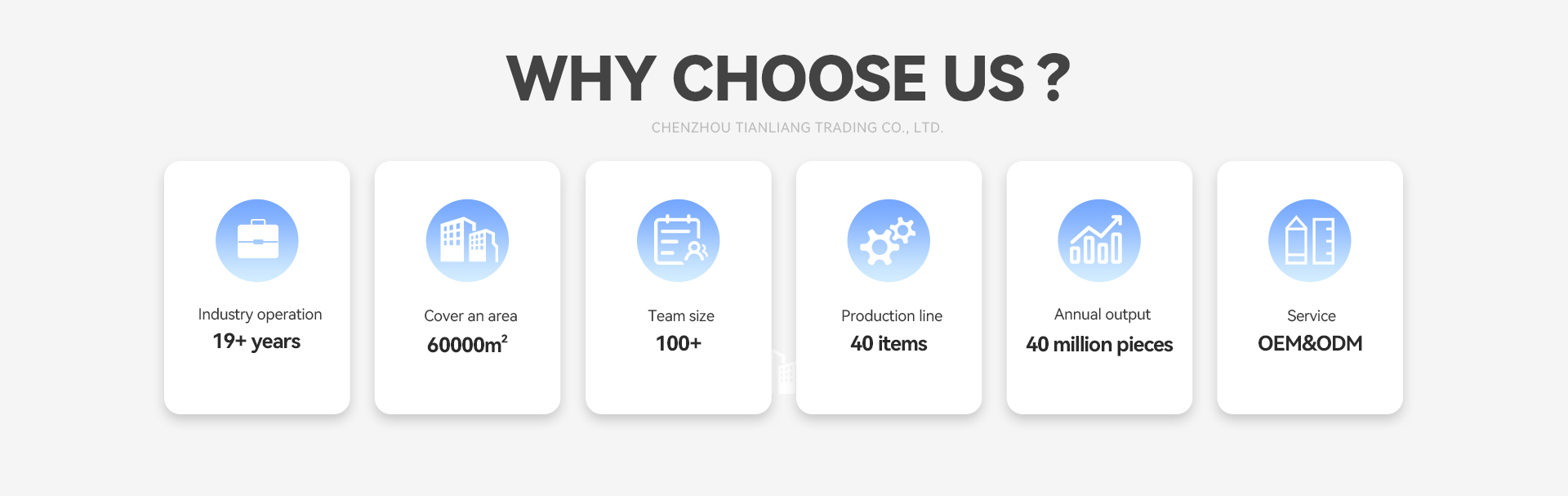
SGS Onsite Verified
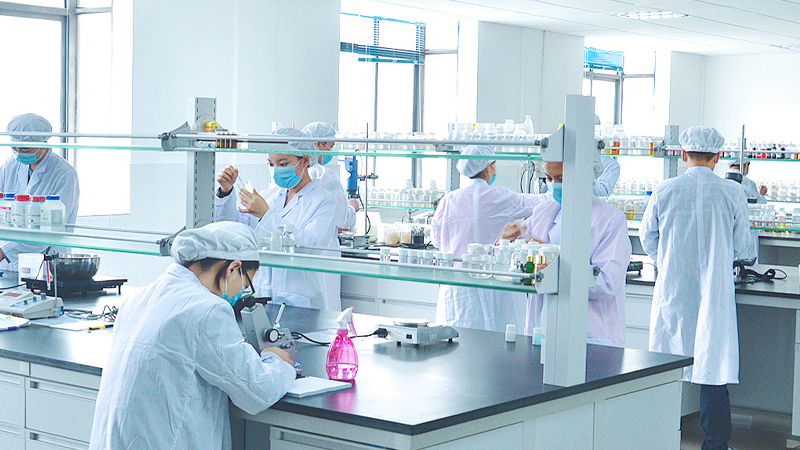
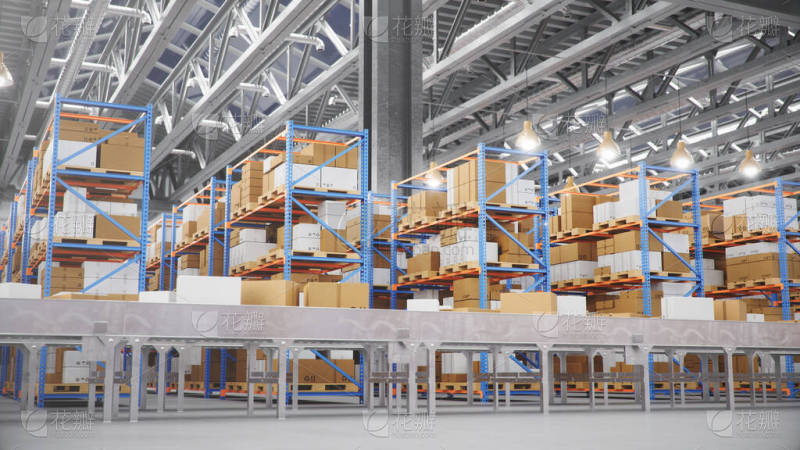
Audited facility covering over 550 m² of specialized inspection, cleanroom packaging, and warehouse storage space in Hunan, China.
CE & ISO 13485 Compliant
Complete technical documentation, biocompatibility profiles, and MDD/MDR traceability ready to support Dutch local medical registrations.
Ultra-Flexible MOQ Strategy
Support your cash flow with low initial order thresholds starting from only 10 pairs per design for in-stock catalog formulations.
Full-Spectrum OEM / ODM
In-house graphic and structural design team providing complimentary artwork for blister foils, secondary retail boxes, and store displays.
Patented Sandwich Printing
Micro-pigments are completely embedded within the inert hydrogel matrix, guaranteeing zero pigment leaching or corneal abrasion risks.
5,000+ SKU Catalog Depth
Extensive catalog spanning natural multi-tone enhancements, vivid anime cosplay lenses, high-Dk silicone hydrogels, and prescription powers.
One-Stop Retail Ecosystem
Consolidate your shipments: source contact lenses, care solutions, acrylic display stands, and custom PVC sliding drawer packaging together.
Rapid Western European Logistics
Efficient dispatch within 3–7 business days for stock inventory via tracked express air freight directly to Schiphol logistics gateways.
Frequently Asked Questions: Sourcing Contact Lenses from China to the Netherlands
Expert answers addressing customs clearance, quality standards, packaging customization, and logistical lead times.
What specific certifications are required to clear contact lenses through Dutch customs?
Does higher water content always mean superior comfort for European wearers?
What is the minimum order quantity (MOQ) for custom-branded packaging?
Can you supply prescription powers for colored and cosmetic lenses?
How are pigment safety and biocompatibility guaranteed in colored contact lenses?
What are the transit times and shipping methods from your factory to the Netherlands?
Scale Your Contact Lens Brand in the Benelux Market
Partner with an audited, CE-compliant Chinese manufacturer. Request our comprehensive export product catalog, complete technical specification sheets, and private-label packaging samples today.
Get Catalog