Wholesale Yearly Cosmetic Lenses & Retail POS Infrastructure
Precision hydrogel formulations engineered for deep melanated irises, paired with medical-grade retail displays and luxury secondary packaging for Ghanaian optical salons and beauty boutiques.
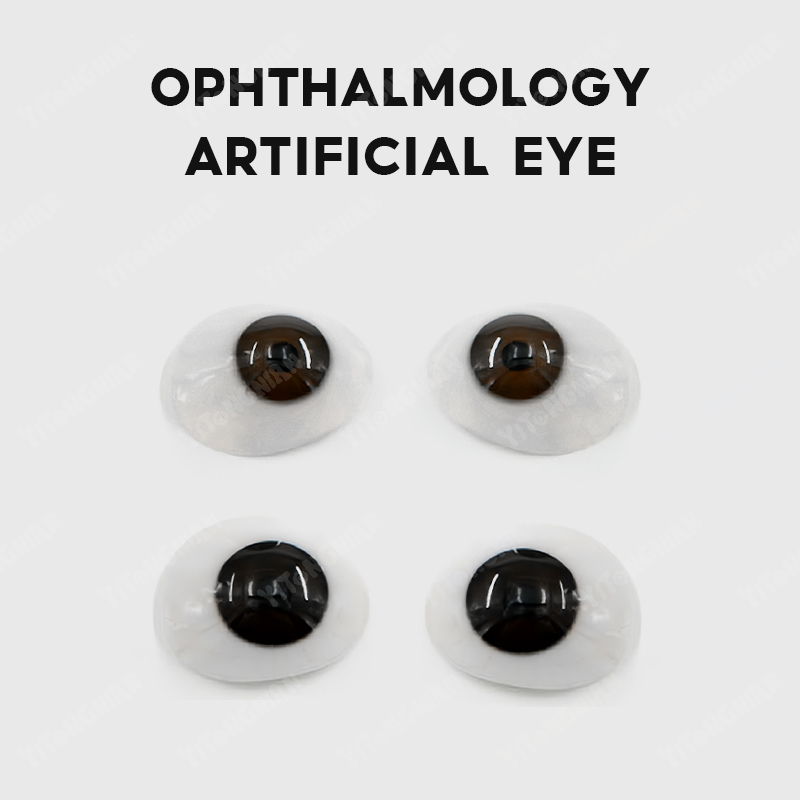
Acrylic Color Contact Lens Counter Display Stand
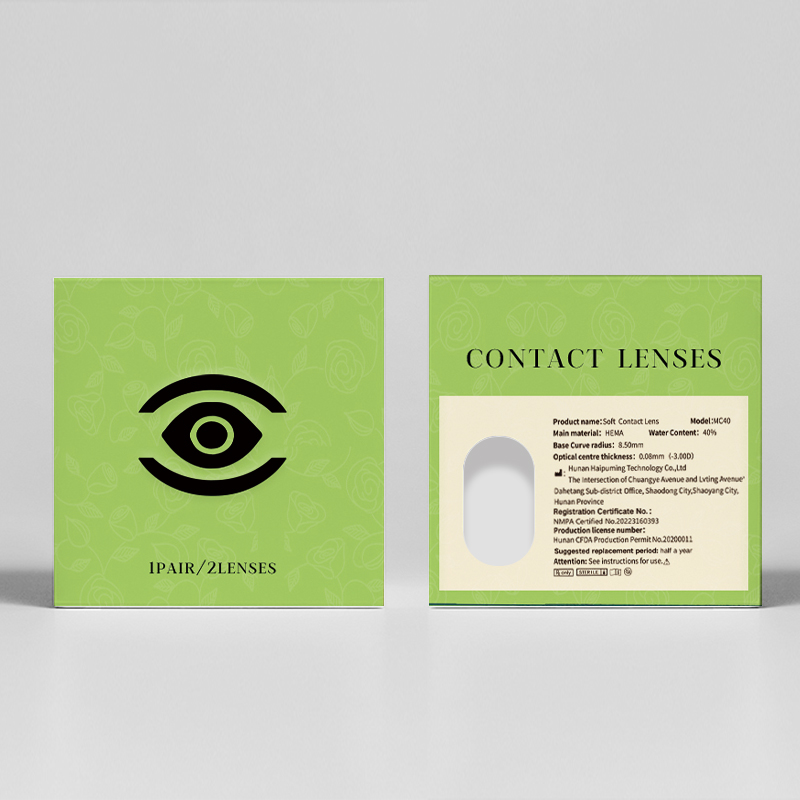
Custom PVC Sliding Drawer Gift Box for Contact Lens Kits
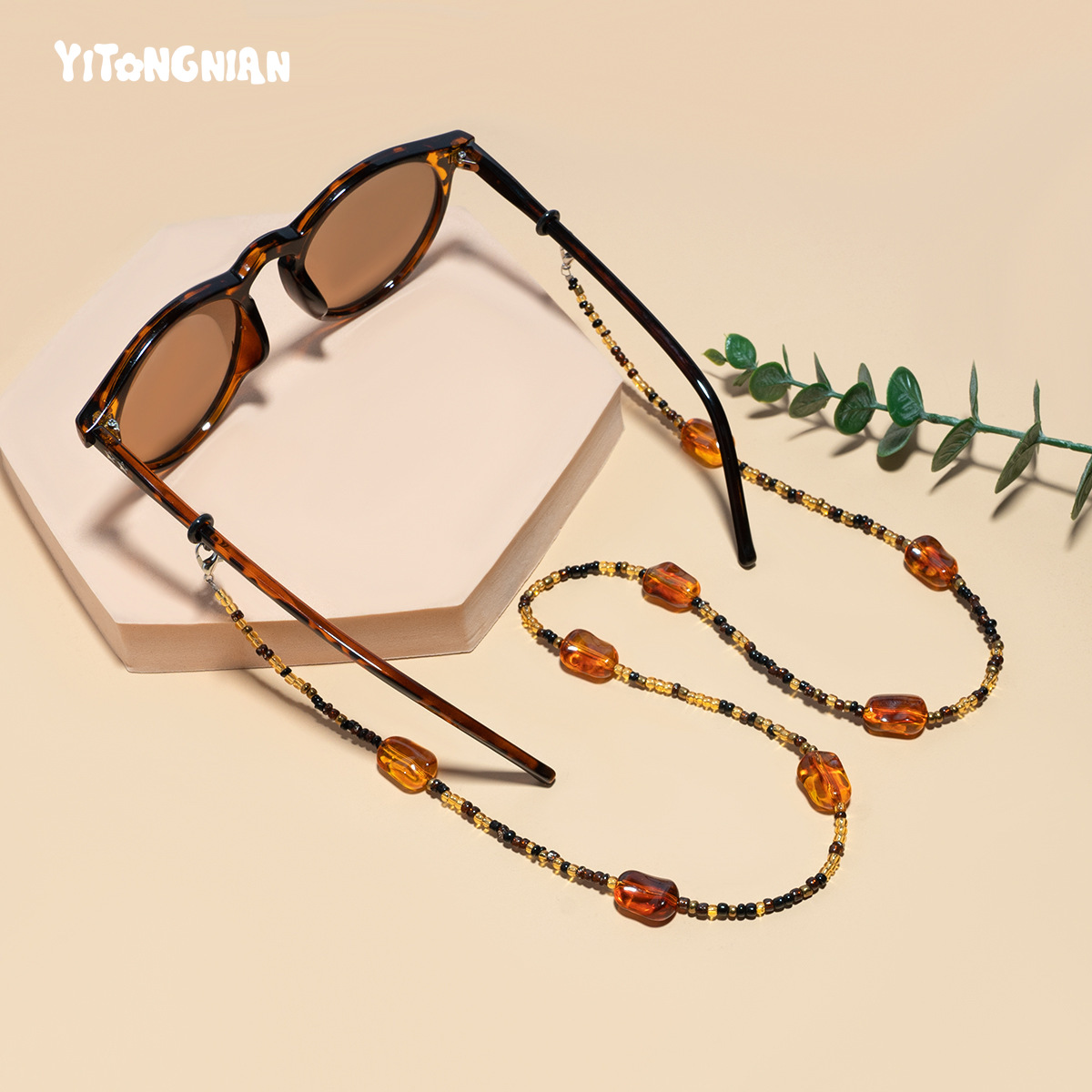
Retro Light-Luxury Tortoiseshell Anti-Slip Eyewear Chain
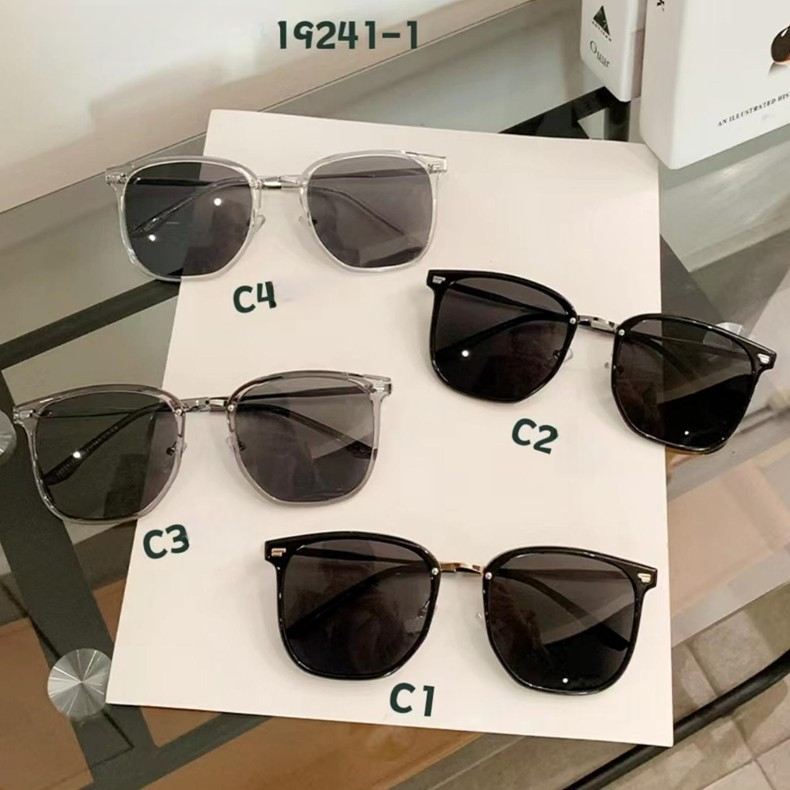
Street Style Polarized Sunglasses UV400 Face-Contouring
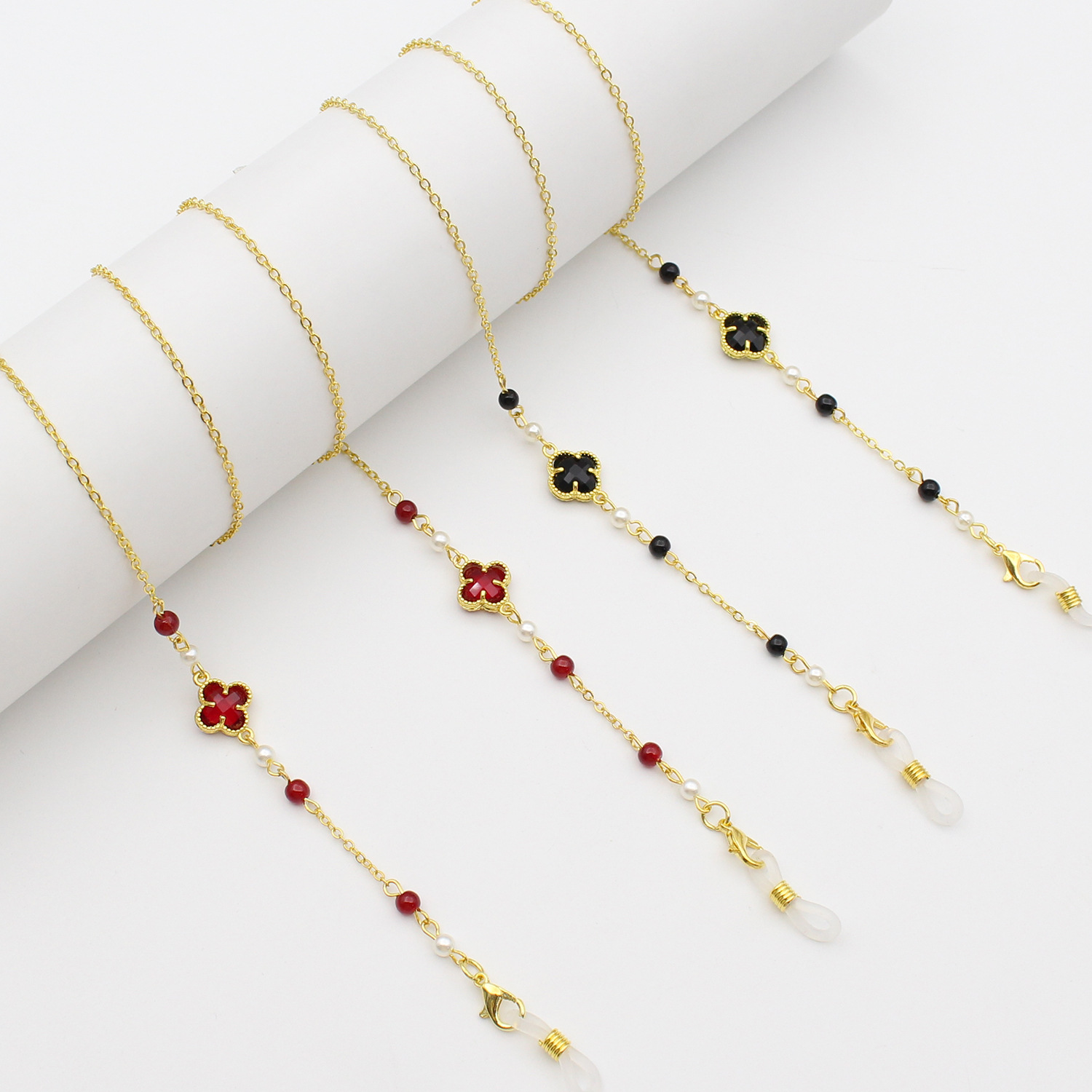
2-in-1 Four-Leaf Clover Crystal Eyewear Accessory Chain
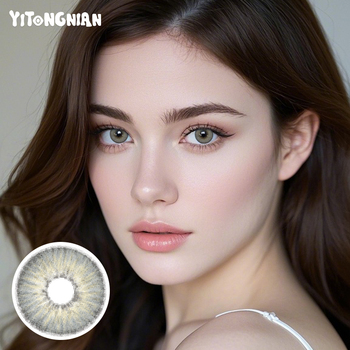
Three-Tone High-Opacity Yearly Colored Contact Lenses
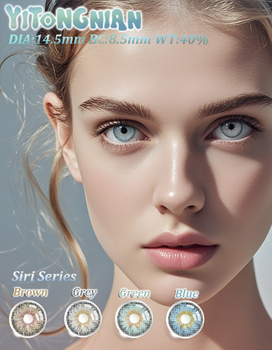
High-Dk Silicone Hydrogel Yearly Breathable Cosmetic Lenses
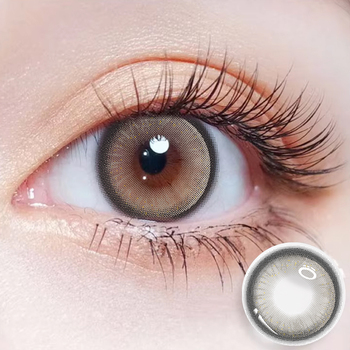
Natural Myopia Corrective Yearly Colored Contact Lenses
Engineering Yearly Colored Contact Lenses for Ghana: Technical Parameters, Tropical Biocompatibility, and Market Expansion
The demand for cosmetic and refractive eye accessories across West Africa is undergoing structural transformation. In Ghana—anchored by rapidly growing retail epicenters such as Greater Accra (Osu, East Legon, Spintex) and Kumasi (Adum, Bantama)—the adoption of yearly colored contact lenses has accelerated from a niche bridal luxury into a staple aesthetic choice for creative professionals, bridal makeup studios, university students, and fashion-conscious consumers. However, importing and distributing ocular medical devices in tropical Sub-Saharan climates requires meticulous consideration of corneal physiology, ambient humidity variations, dust exposure during Harmattan seasons, and strict pigment encapsulation standards.
1. Chromatic Engineering for Deep-Melanated Eyes
Direct pigment transfer is ineffective on dark irises. As an established manufacturer and exporter, Colorlenshub Technology Co., Ltd. applies proprietary micro-dot three-tone stratification. Our optical formulation incorporates a dense, opaque micro-dot base layer that blocks background melanin absorption, overlaid with realistic radial streaks replicating natural iris trabecular meshwork, and capped with a subtle 0.02 mm feathered limbal ring. This configuration allows vibrant hazel, honey, radiant gray, icy blue, and olive green to blend convincingly against dark scleral contrast without looking artificial under Ghana's harsh sunlight or indoor studio strobe lighting.
2. Material Chemistry: HEMA vs. Silicone Hydrogel in Tropical Environments
Annual replacement lenses demand structural durability combined with corneal biocompatibility. Our Poly-HEMA (2-Hydroxyethyl methacrylate) matrices are tuned to 38% to 40% equilibrium water content (EWC). While counter-intuitive to novice buyers who assume higher water content equates to higher comfort, our clinical data indicates that lenses exceeding 55% water content act as desiccants in low-humidity or air-conditioned environments, extracting moisture from the wearer's pre-corneal tear film and accelerating dry-eye symptoms.
For high-tier clinics and luxury beauty salons in airport residential zones, our Silicone Hydrogel (Si-Hy) line delivers exceptional oxygen transmissibility (Dk/t values exceeding 85 Barrers/cm), ensuring sustained corneal aerobic metabolism during 10-to-14-hour wear cycles, even during the elevated particulate conditions characteristic of the December-to-February Harmattan wind currents.
3. Pigment Sandwiching: Absolute Ocular Safety via Cast-Molding
Corneal abrasions and allergic conjunctivitis occur when inferior suppliers utilize pad-printing directly on the exterior surfaces of soft contact lenses. Every annual lens engineered for export by Colorlenshub is created via double-sided cast-molding encapsulation. Non-toxic, FDA-approved bio-pigments are completely embedded within the core polymer layer, ensuring that colored dyes never make physical contact with either the corneal epithelium or the palpebral conjunctiva during blinking motions.
Localized Application Scenarios Across Ghanaian Retail Segments
Understanding the exact purchasing triggers of Ghanaian consumers enables importers to optimize SKU inventory ratios and capture maximum retail margins.
Bridal & Traditional Wedding Glam
In Accra and Kumasi, traditional engagement ceremonies and white weddings fuel massive demand for warm Hazel, Honey Brown, and Amber tones. Brides and makeup artists (MUAs) demand lenses that hold moisture under studio flashguns without causing redness.
Nollywood/Ghallywood Film & Creative Media
Production studios and digital influencers require high-opacity character customization—from dramatic icy grays to high-contrast emeralds. Reliable yearly longevity reduces per-shoot wardrobe budgets significantly for production houses.
Everyday Refractive Correction (Myopia)
University demographics in Legon, Cape Coast, and KNUST increasingly reject bulky spectacles. Prescription cosmetic lenses (-1.00 to -8.00) combine vision correction with subtle aesthetic enhancement, commanding premium annual recurring revenues.
Emerging Trends Shaping Ghana's Cosmetic Lens Industry (2025–2030)
As the Ghanaian middle class expands and digital consumer culture proliferates across TikTok and Instagram, several commercial vectors are reshaping procurement strategies for local importers:
1. Shift from Unregulated Informal Trading to Licensed Boutique Retailing: Historically, cosmetic lenses entered West Africa through fragmented informal hand-carry channels. Today, the Ghana Food and Drugs Authority (FDA Ghana) under the Public Health Act, 2012 (Act 851) is enforcing stringent regulatory surveillance on contact lenses as Class II/III medical devices. Retailers operating in major commercial hubs now require comprehensive manufacturer documentation—including ISO 13485:2016 quality system audit reports, CE Declarations of Conformity, and Certificate of Analysis (CoA) per production lot. Suppliers unable to supply transparent traceability documentation are systematically being displaced from leading pharmaceutical and cosmetic shelves.
2. The Rise of Private-Label Indigenous Beauty Brands: African beauty entrepreneurs no longer want to act as passive resellers for generic brands. Leading cosmetic chain owners in Accra are investing in OEM/ODM capabilities, launching proprietary cosmetic lens collections encased in localized branding, bespoke drawer boxes, and Ghanaian language care advisories. By utilizing our private label packaging services, importers generate substantial brand equity and establish regional defensibility.
3. Comprehensive Merchandising: Lenses + Eyewear Chains + Display Units: Modern optical stores do not sell contact lenses in isolation. By integrating our Acrylic Color Contact Lens Display Stands directly on consultation counters alongside high-fashion tortoiseshell anti-slip eyewear chains and UV400 polarized frames, optical boutiques increase average order value (AOV) by over 38% through immediate accessory cross-selling.
Why West African Importers Partner with Colorlens Hub
Backed by physical infrastructure, international certifications, and flexible trade arrangements tailored for emerging market entrepreneurs.
SGS On-Site Verified Facility
Our 550 m² dedicated operating, packaging, and QA facility with a permanent staff of 43 certified technicians has passed extensive on-site supplier assessments conducted independently by the SGS Group.
Low Trial MOQs from 10 Pairs
Mitigate commercial risk. Test color acceptance in your local Ghanaian territory with in-stock MOQs as low as 10 pairs per design before committing to containerized bulk orders or bespoke OEM custom packaging runs.
Turnkey OEM/ODM Ecosystem
From in-house artwork for blister foils, custom paper gift boxes, and PVC drawer systems to medical acrylic countertop units, we deliver comprehensive branded solutions from formulation to shelf-ready display.
Frequently Asked Questions: Sourcing Yearly Contact Lenses for Ghana
Direct technical answers addressing customs clearance, shelf-life, shipping channels, and lens maintenance in West Africa.
We provide direct air-express consolidation via DHL, FedEx, and specialized Sino-Ghana air cargo lines servicing Kotoka International Airport (ACC). In-stock items ship within 3 to 7 business days from our warehouse. Door-to-door expedited delivery typically reaches Accra in 5 to 8 business days, while standard air-cargo clearing agents take approximately 10 to 14 days.
Every shipment is backed by verified ISO 13485:2016 Quality Management certificates, CE Compliance certificates, Certificate of Origin (CO), and batch-specific Certificates of Analysis (CoA) outlining sterilization parameters, polymer moisture integrity, and cytotoxicity testing. These technical files satisfy standard import verification protocols under the FDA Ghana Medical Devices Directorate.
Our lenses utilize a non-ionic Poly-HEMA formulation that resists electrostatic attraction of tear-film proteins, atmospheric dust, and airborne sand particles common during Harmattan winds. We strongly advise Ghanaian retailers to bundle our products with sterile multi-purpose disinfecting solutions containing lubricating agents to preserve lens comfort during low-humidity months.
Unopened, our medical-grade sealed glass vials and PP/aluminum blister packs boast a verified shelf-life of 5 years from the sterilization date. The buffered saline solution maintains sterility even under ambient tropical warehouse temperatures up to 35°C, provided storage is maintained away from direct equatorial sunlight and damp floors.
Yes. In addition to our low MOQ factory lines, our dedicated in-house design team provides free packaging artwork development. We produce custom-printed folding boxes, PVC drawer cases, and blister seal foils adhering to English-language labeling requirements, including CE mark identification, expiry dates, LOT numbers, and base curve (BC) indicators.
Ready to Scale Your Contact Lens Distribution in Ghana?
Connect directly with our international export team. We provide sample packs, wholesale price sheets, OEM packaging dies, and regulatory compliance documents within 24 hours.